Return to Cill Rialaig

Return to Cill Rialaig

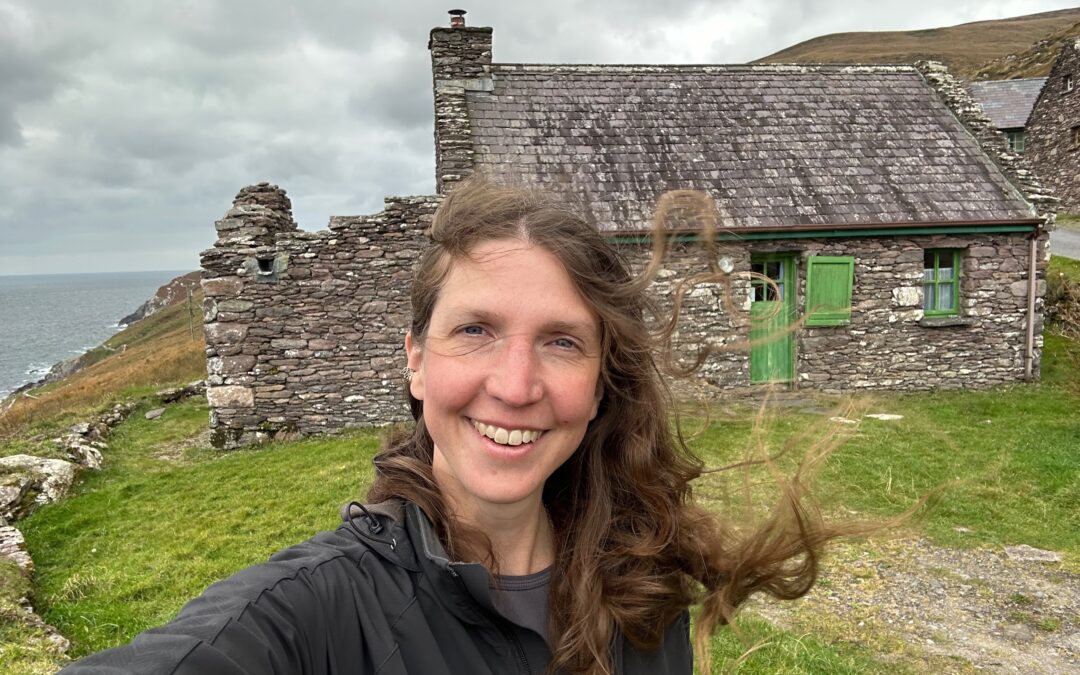
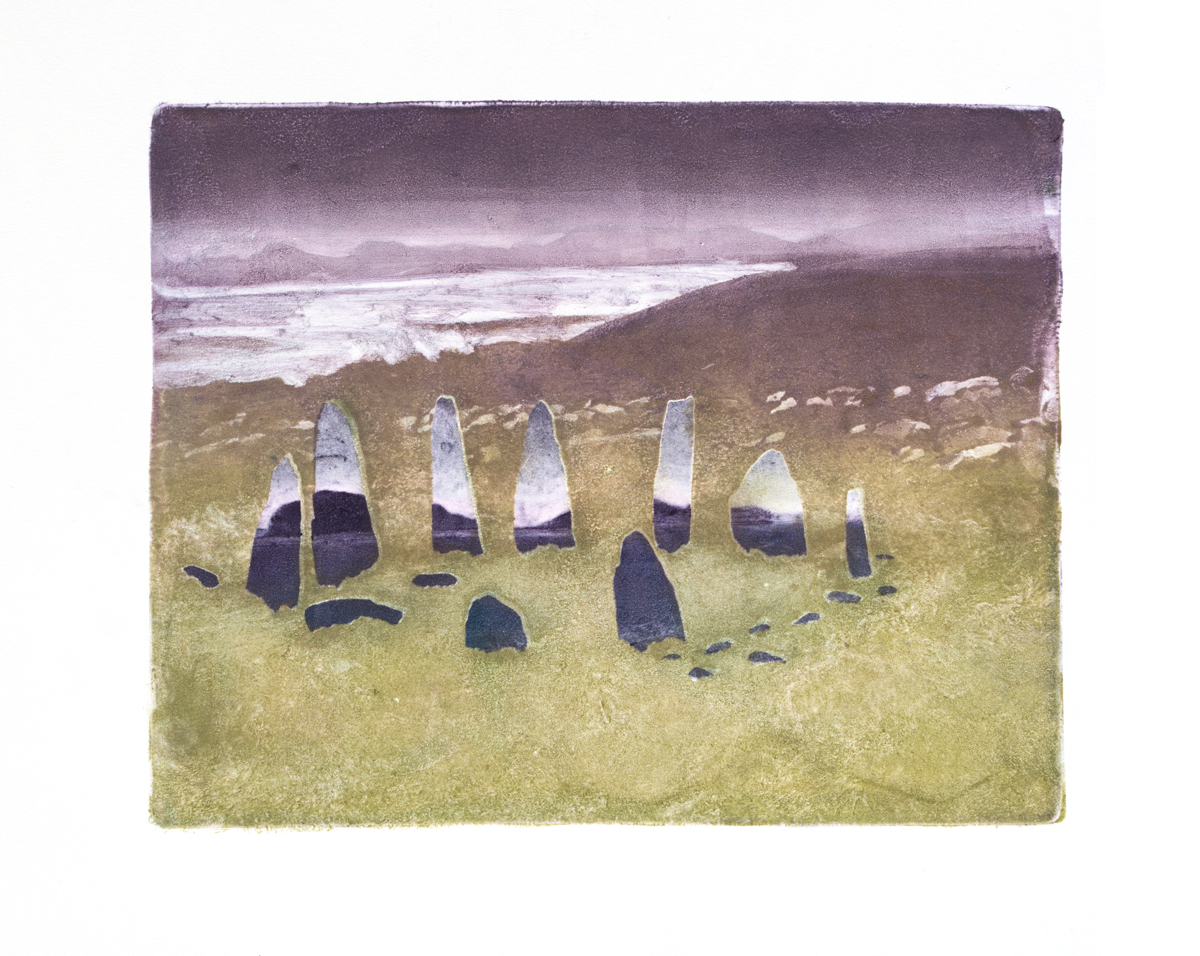
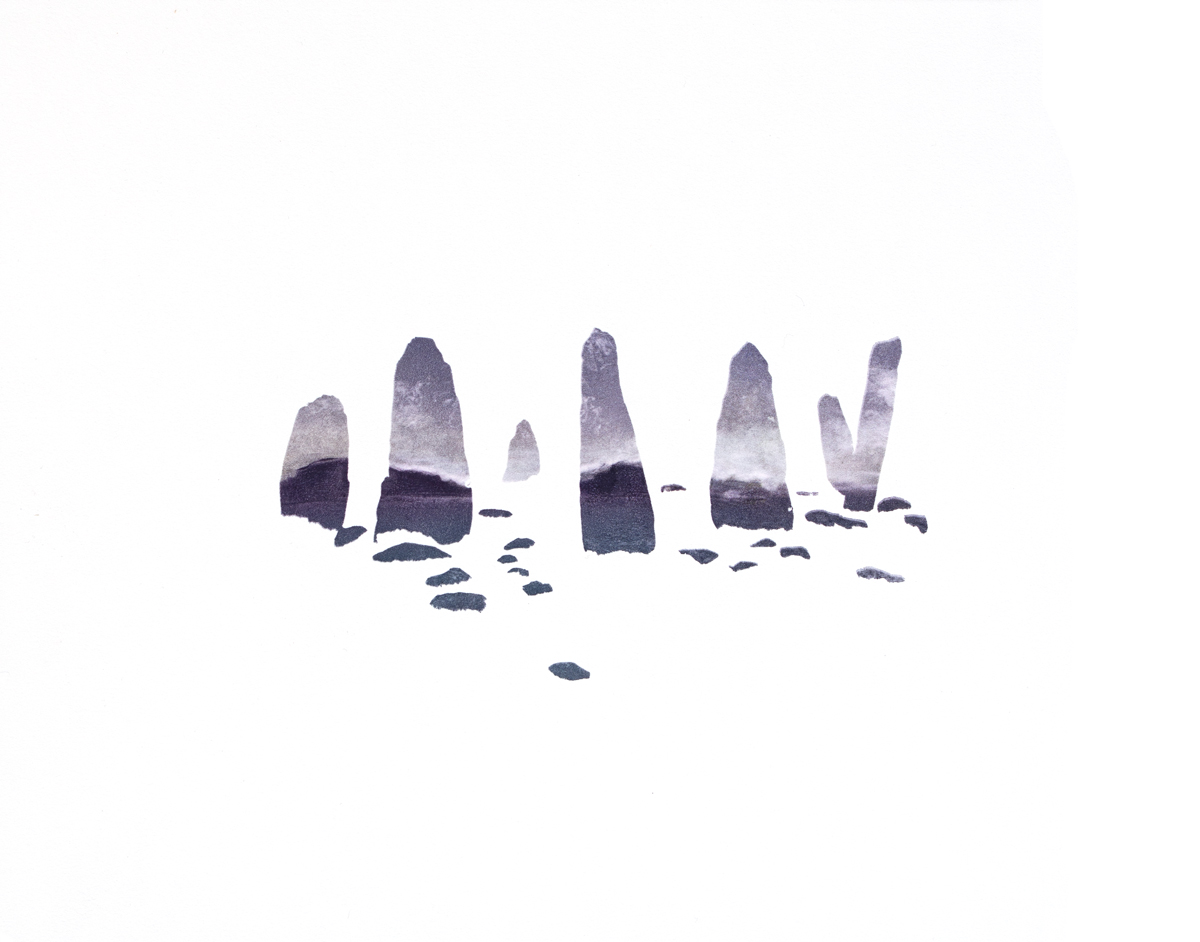
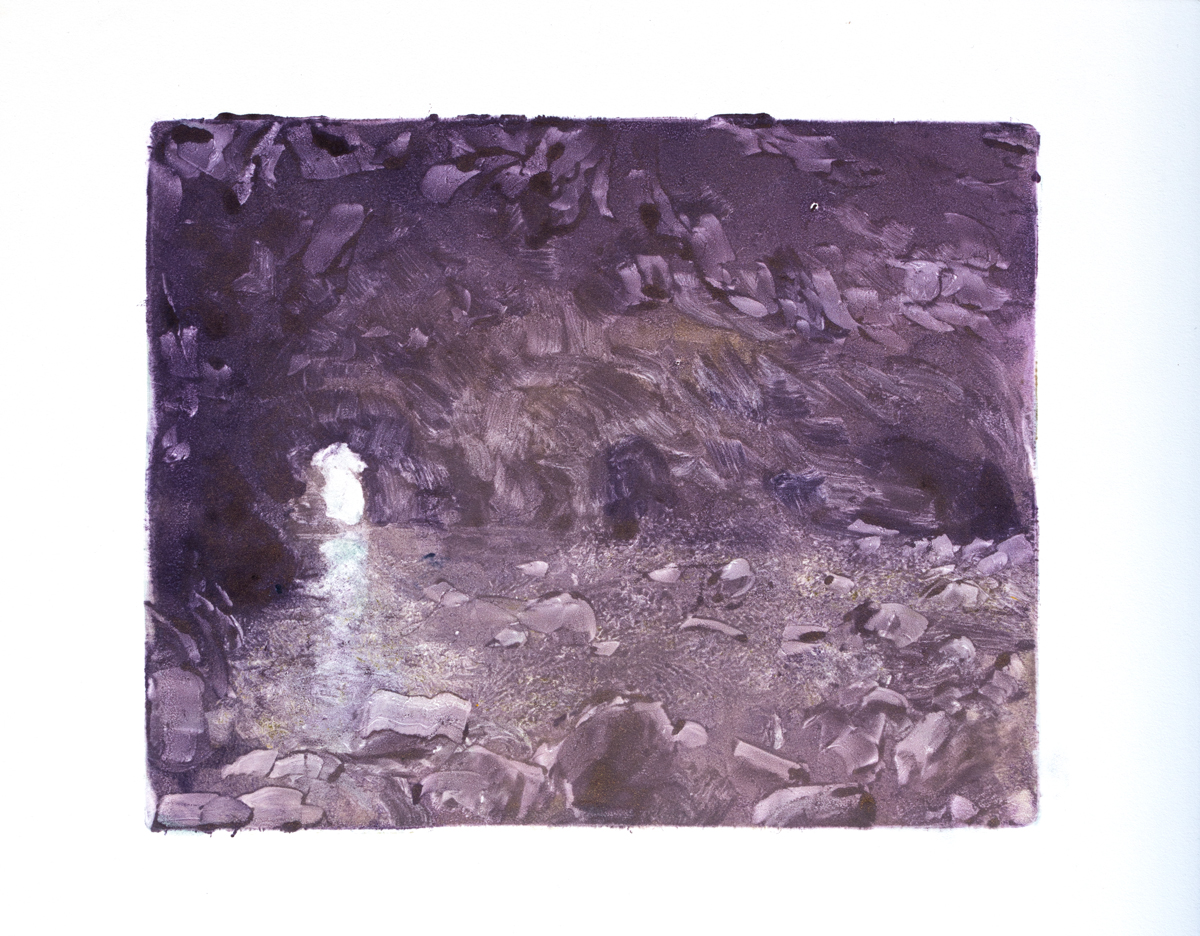
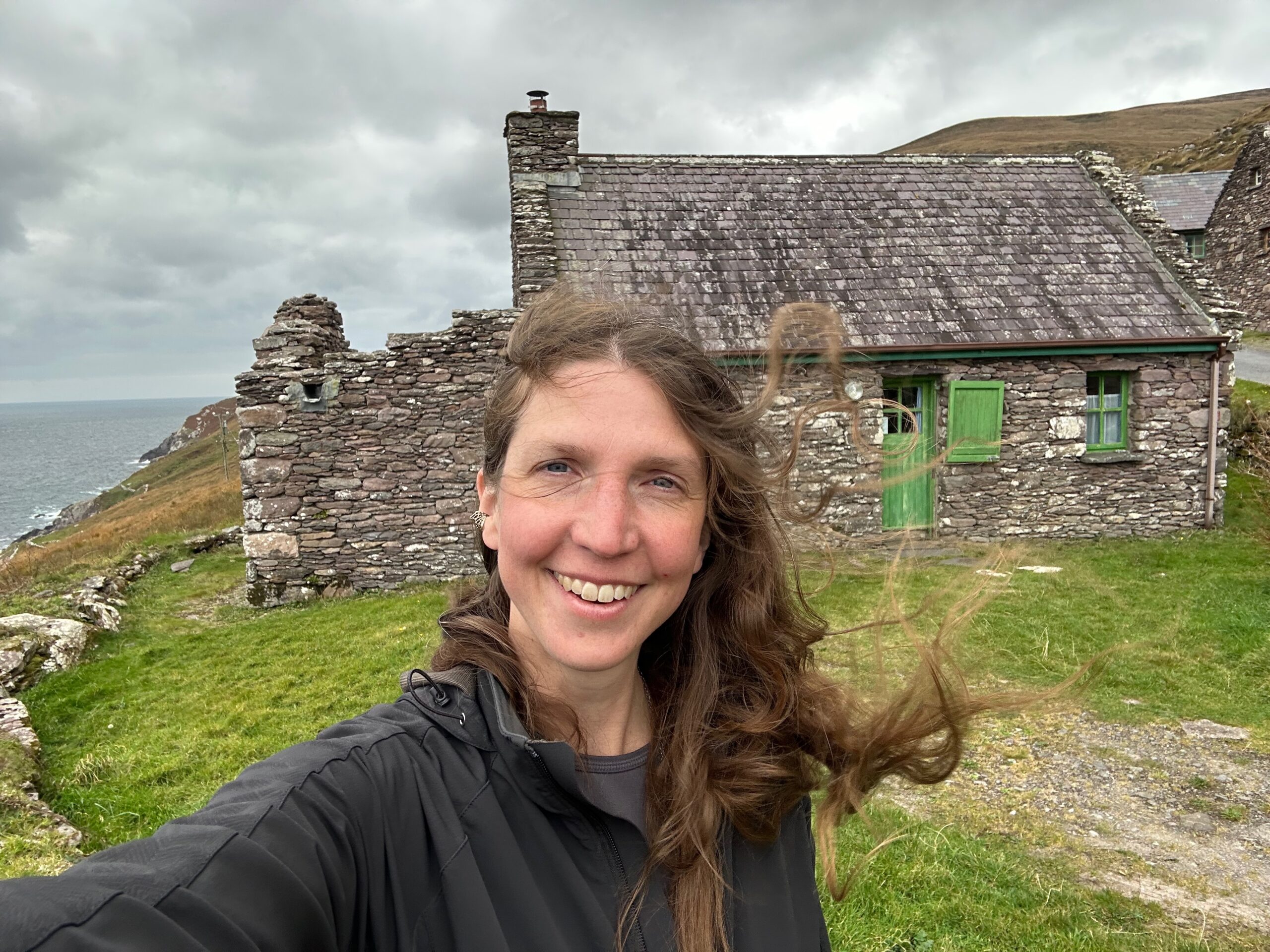
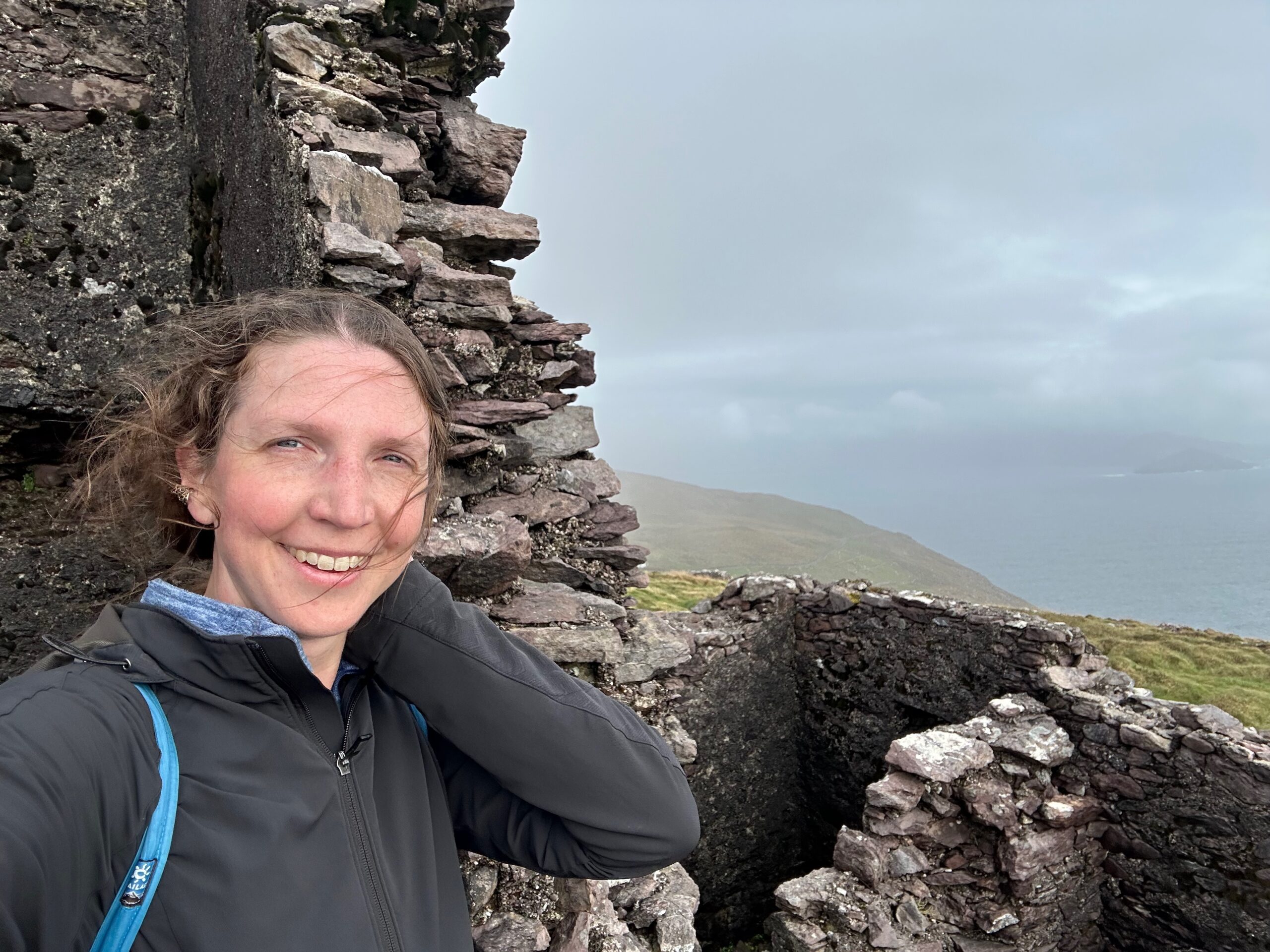
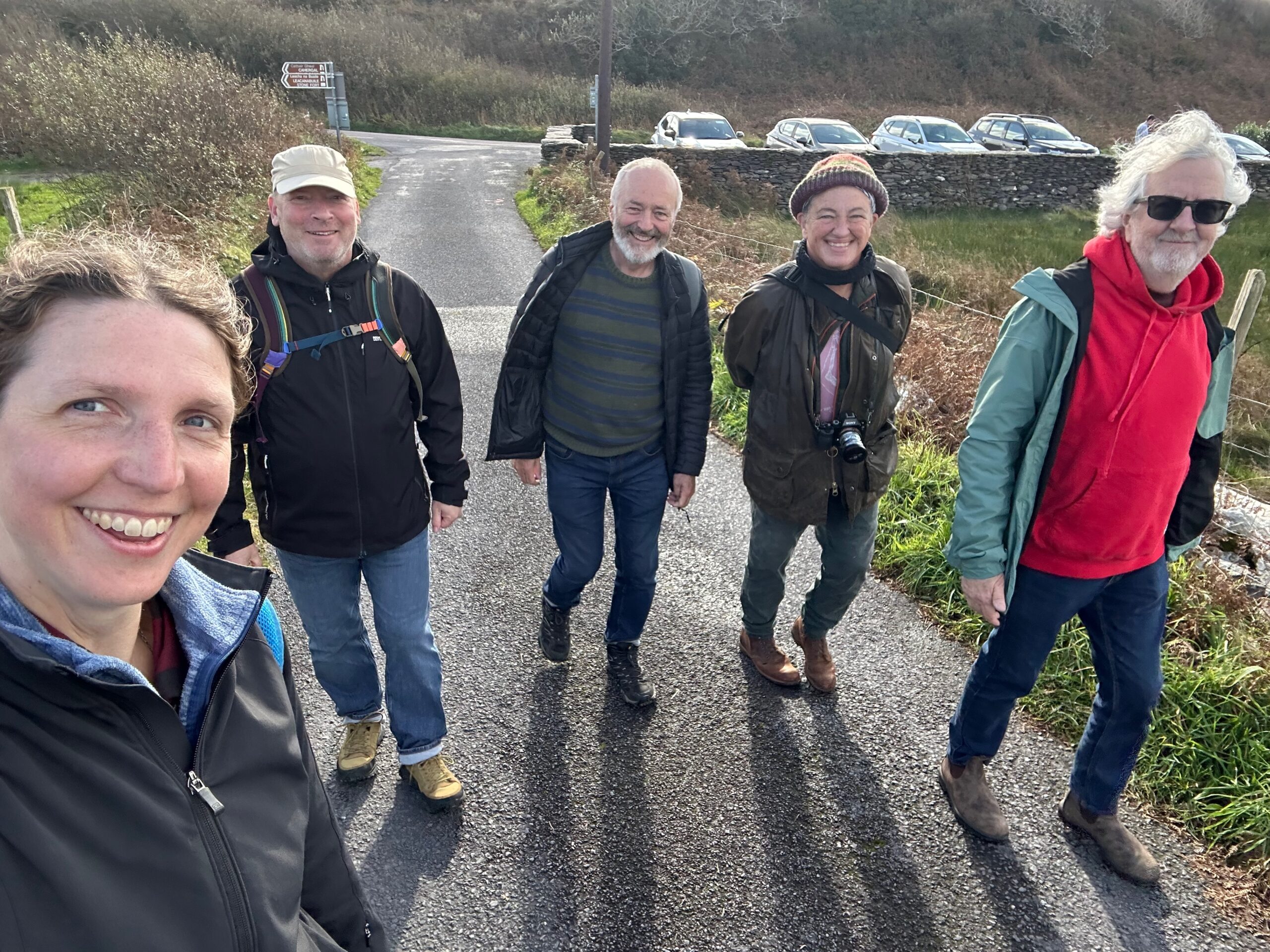
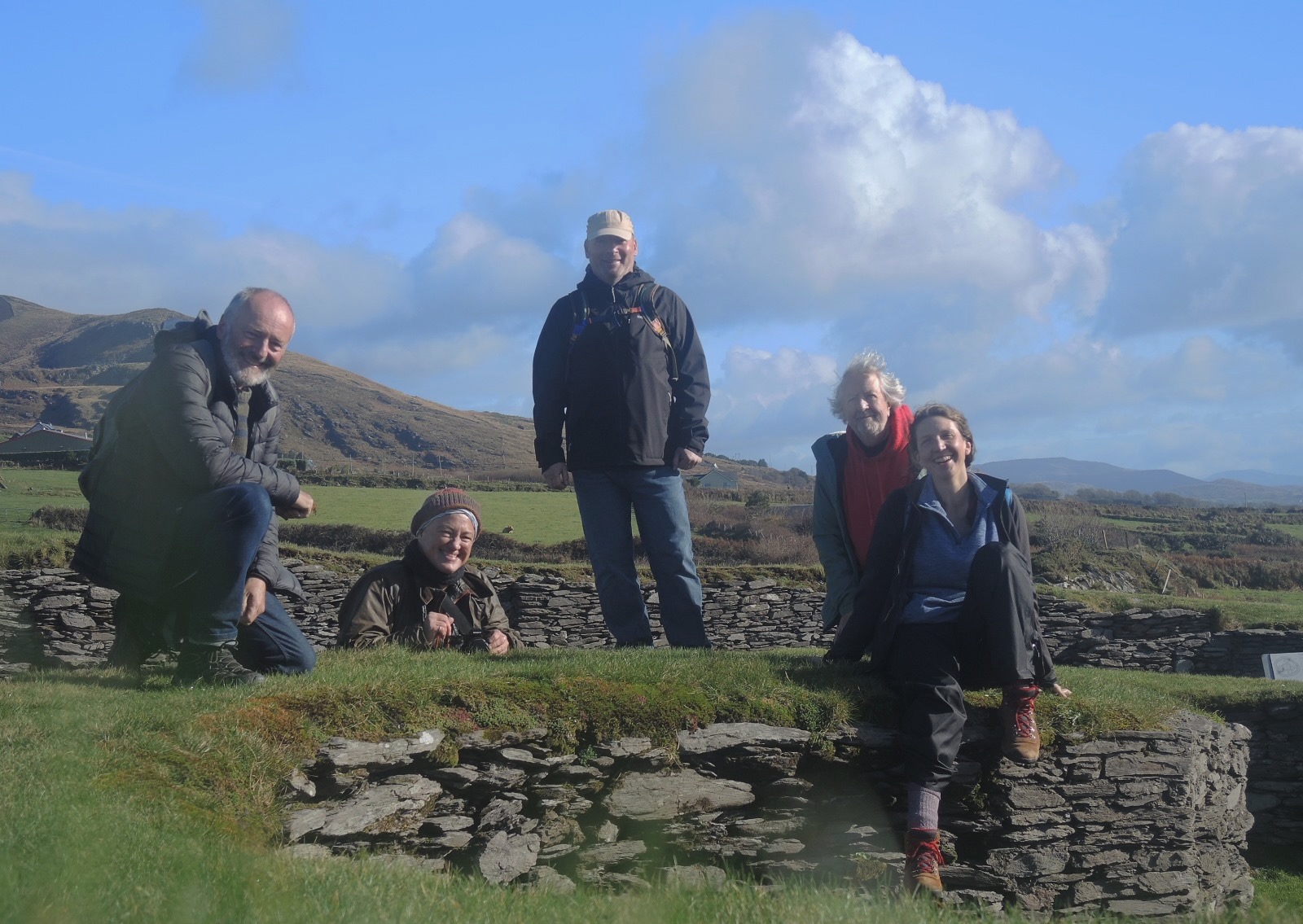
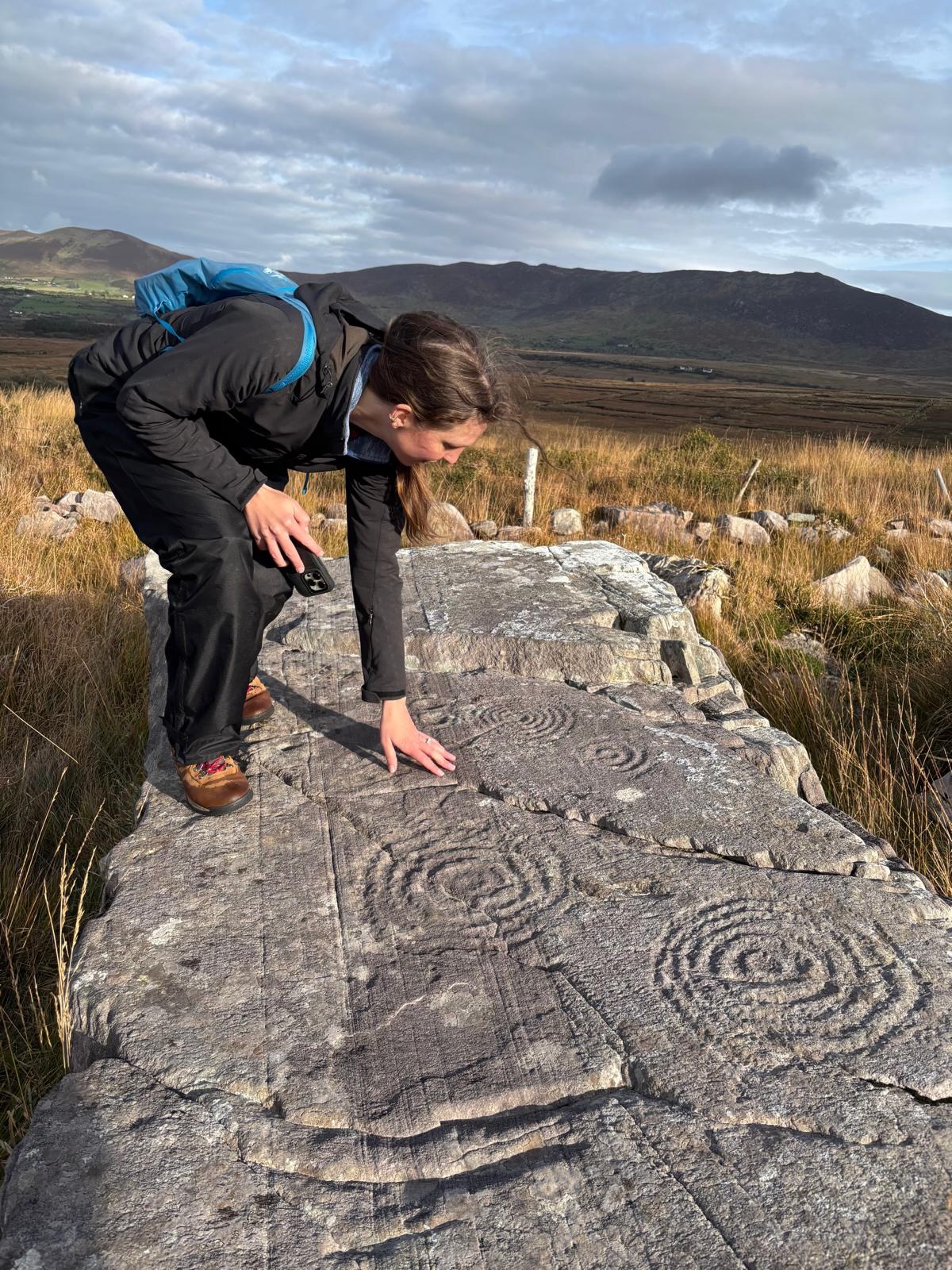
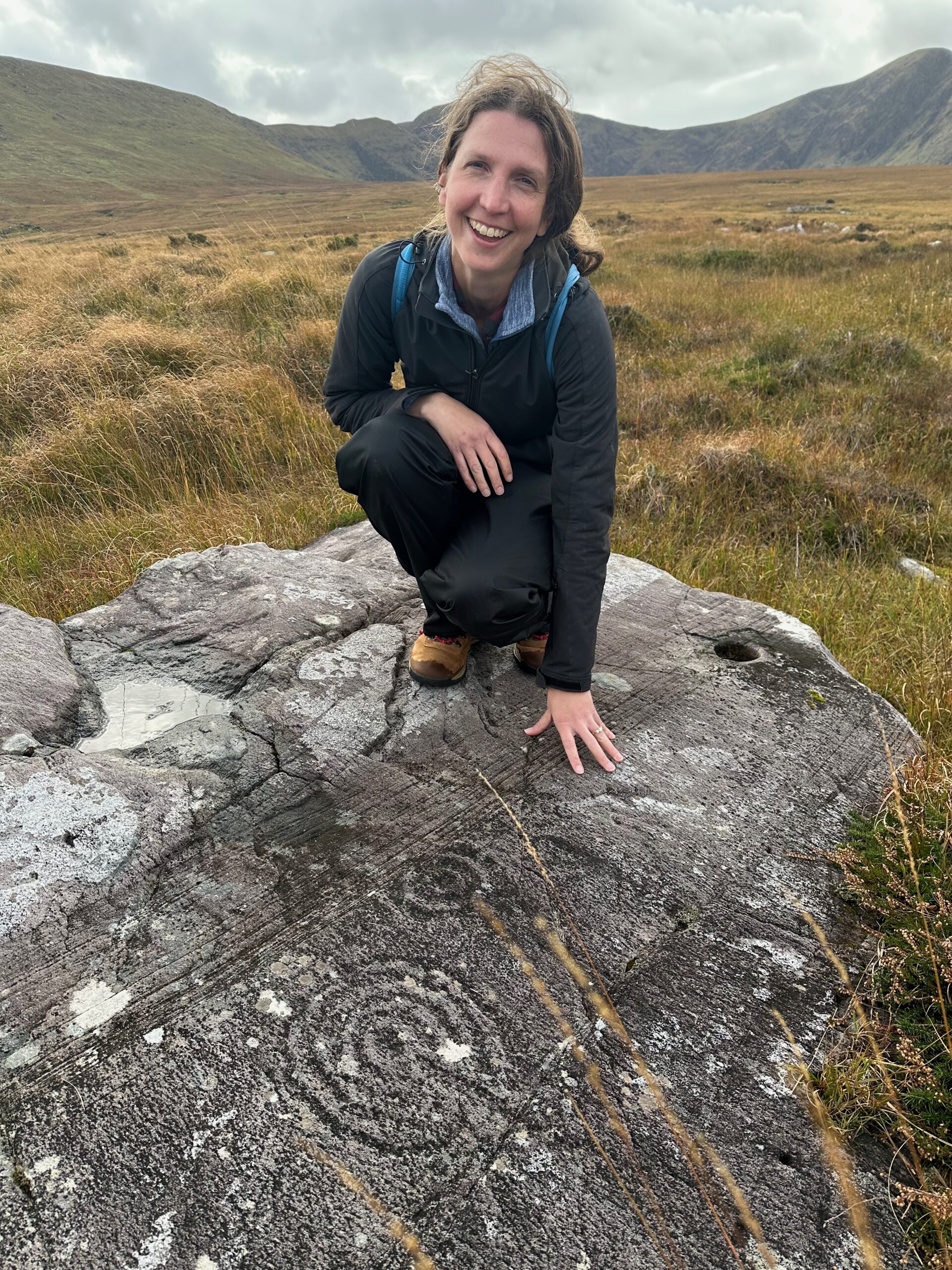
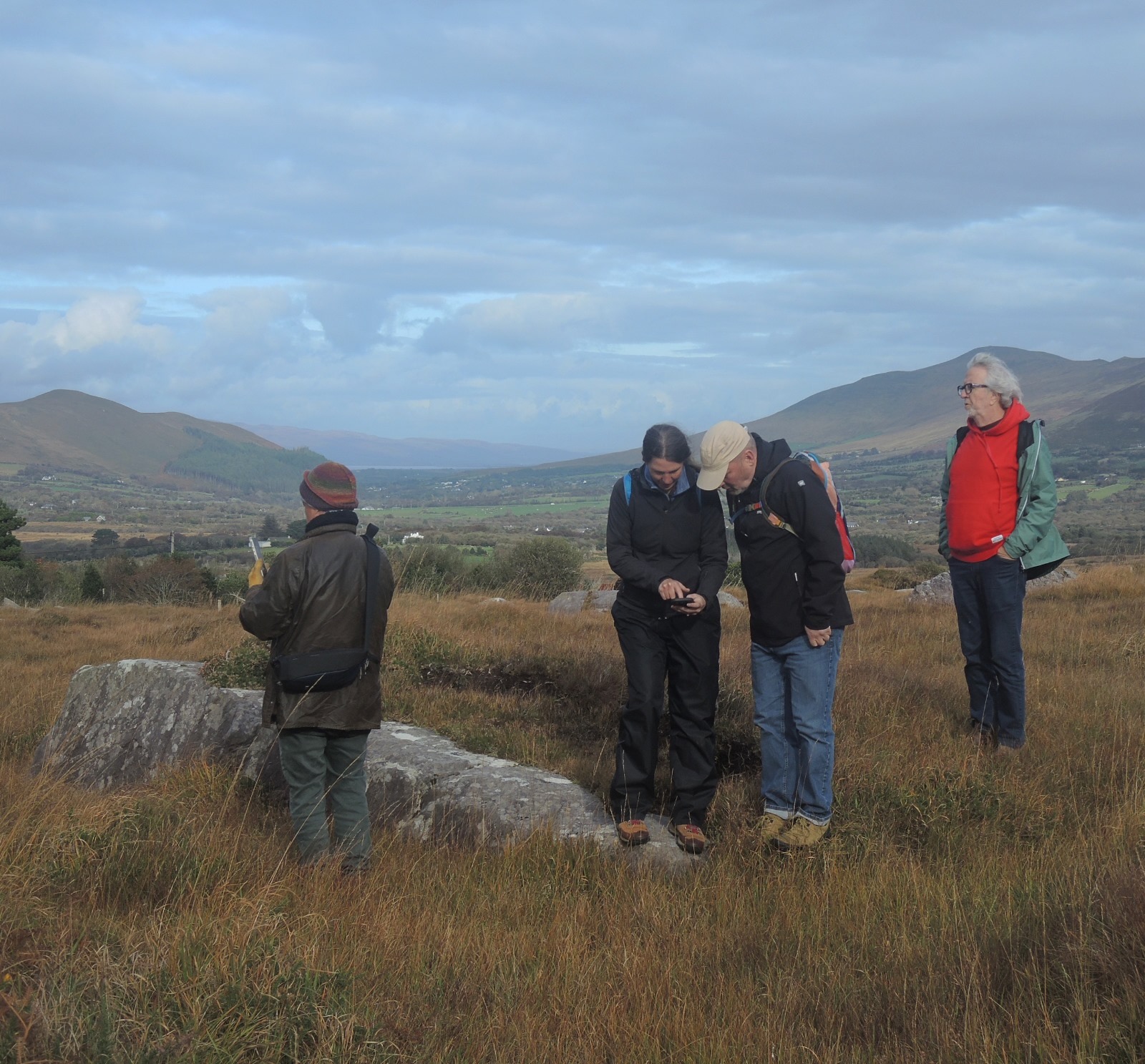
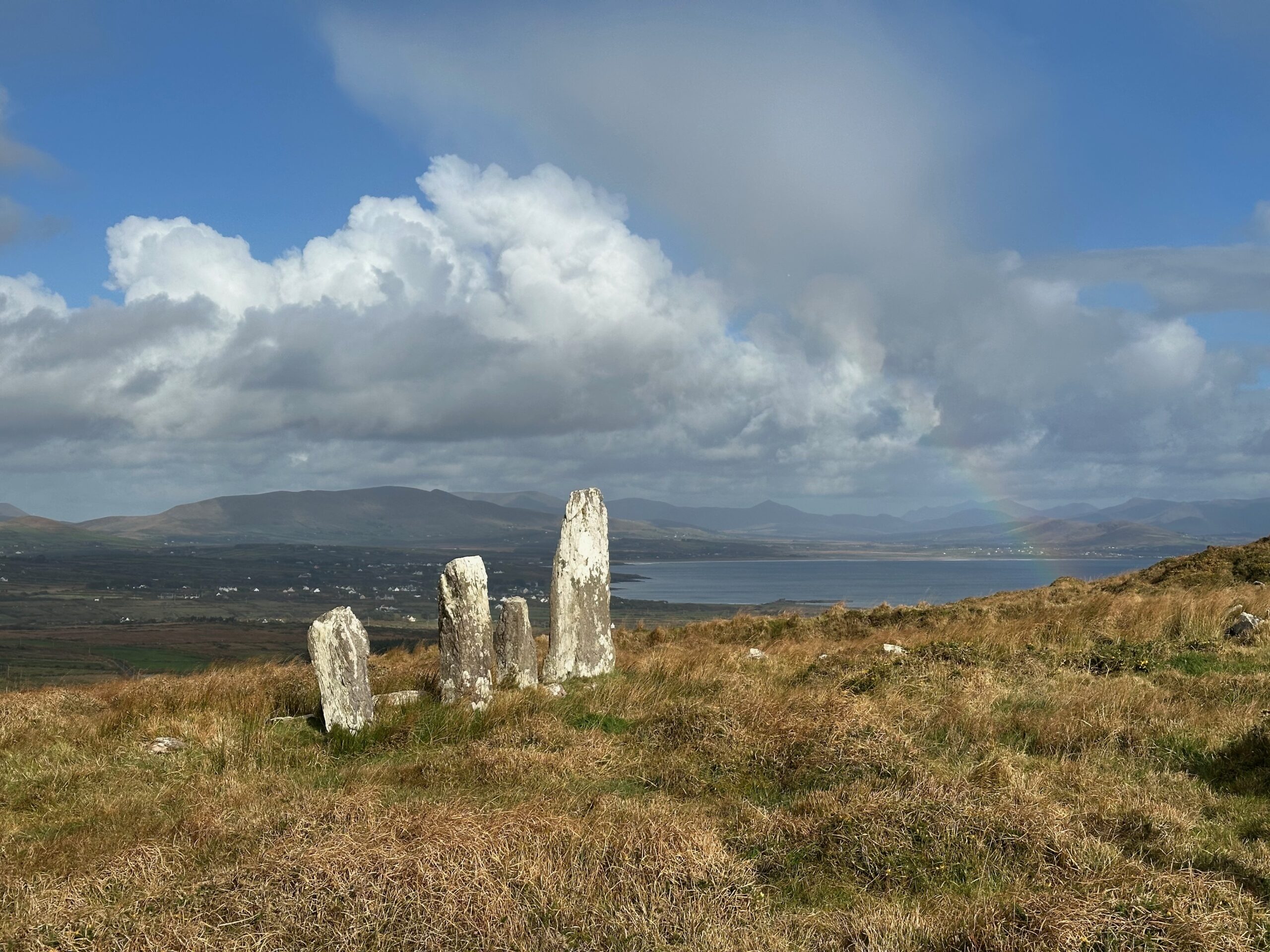
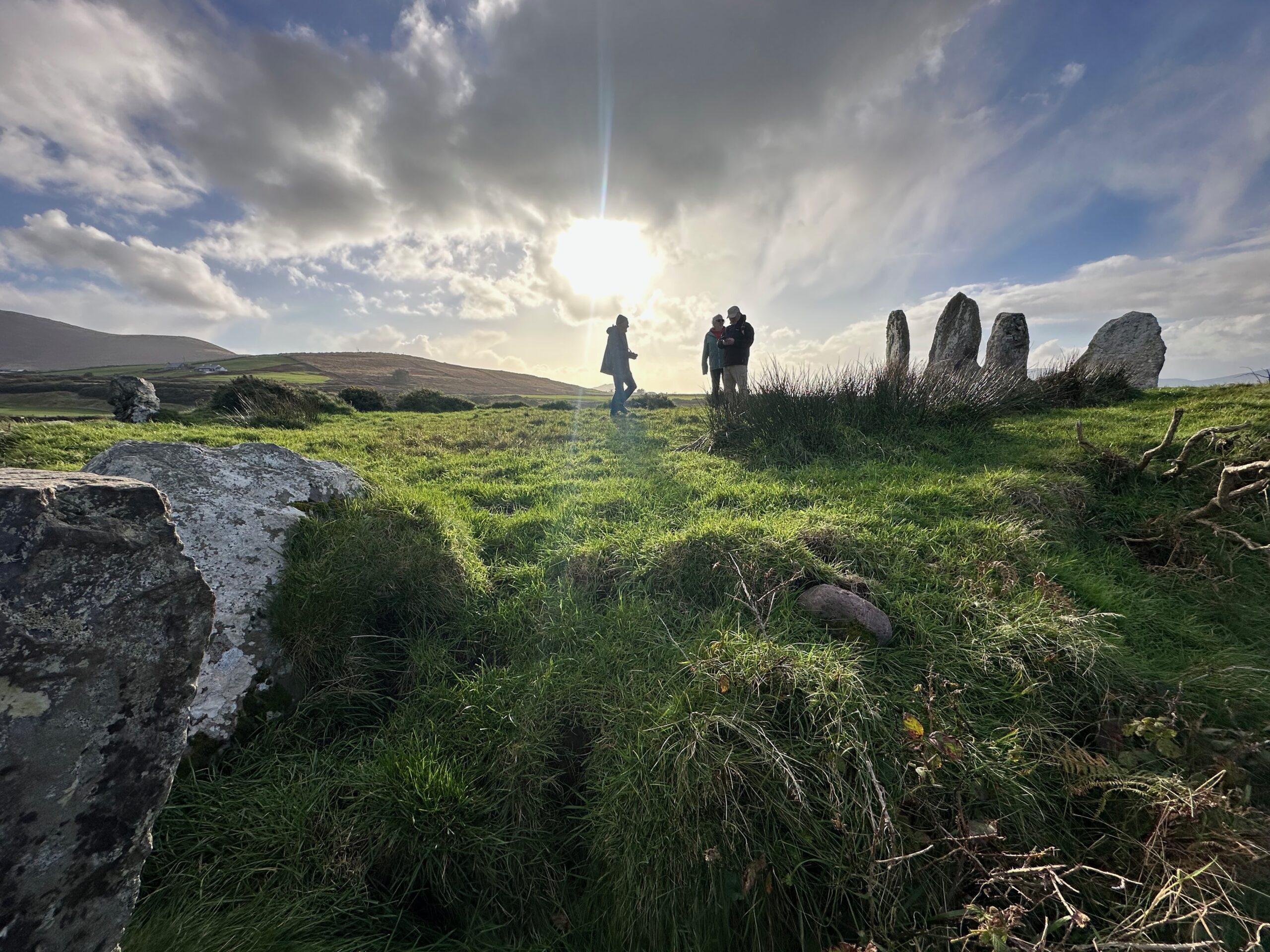
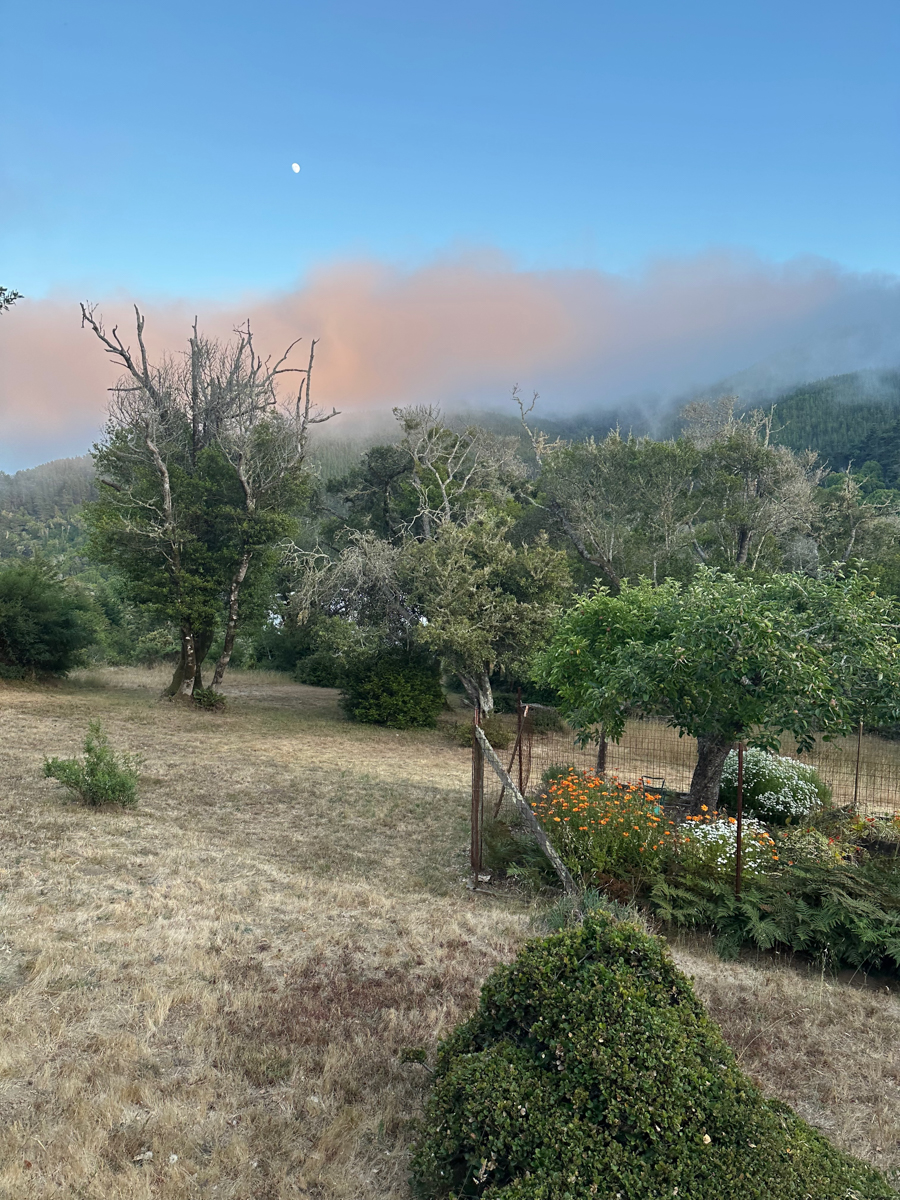
In October 2025, I returned to Cill Rialaig Artist Retreat with some of my dear friends I met here in 2019: Eoin Maclochlainn, Jacques Descoteaux, and Jean Sanders. For 6 years, through a pandemic, then grad school and more, I’ve been mentally here and dreaming of this return, so to finally be there again felt quite surreal—a blending of dreams and memories, perfect for the work I intended to create while processing the ancient landscapes, myths, and music of this place. With our new Cill Rialaig friends Fergal Dowling and Carol Anne McChrystal, we adventured through the Iveragh Peninsula together, finding Neolithic rock art and rediscovering the stone alignments of the Moonstones and Eightercua while surrounded by the ever-present wind, shifting rain showers, and reappearing rainbows. Eoin also wrote about our adventures on his blog: Scéalta Ealaíne

This adventure felt like the closing of a circle; a great return. In 2019, my initial residency here inspired me to let go of my daily life in NYC and to seek out landscapes that inspire me. This led to the life I lead now, full of adventures to remote residencies, creating artwork to share the experience with others. But on my trips, I kept in the back of my mind my goal to return to this place with the friends I met, where this chapter began. Finally being here again held a sense of peace and fulfillment. I had completed my goal to return, yet I realized this residency is only the beginning of my adventures here, and I plan to return and continue researching and creating artwork on the mythology embedded in the Irish landscape.

Lucid Art Foundation

Lucid Art Foundation

From The Lucid Art Foundation:

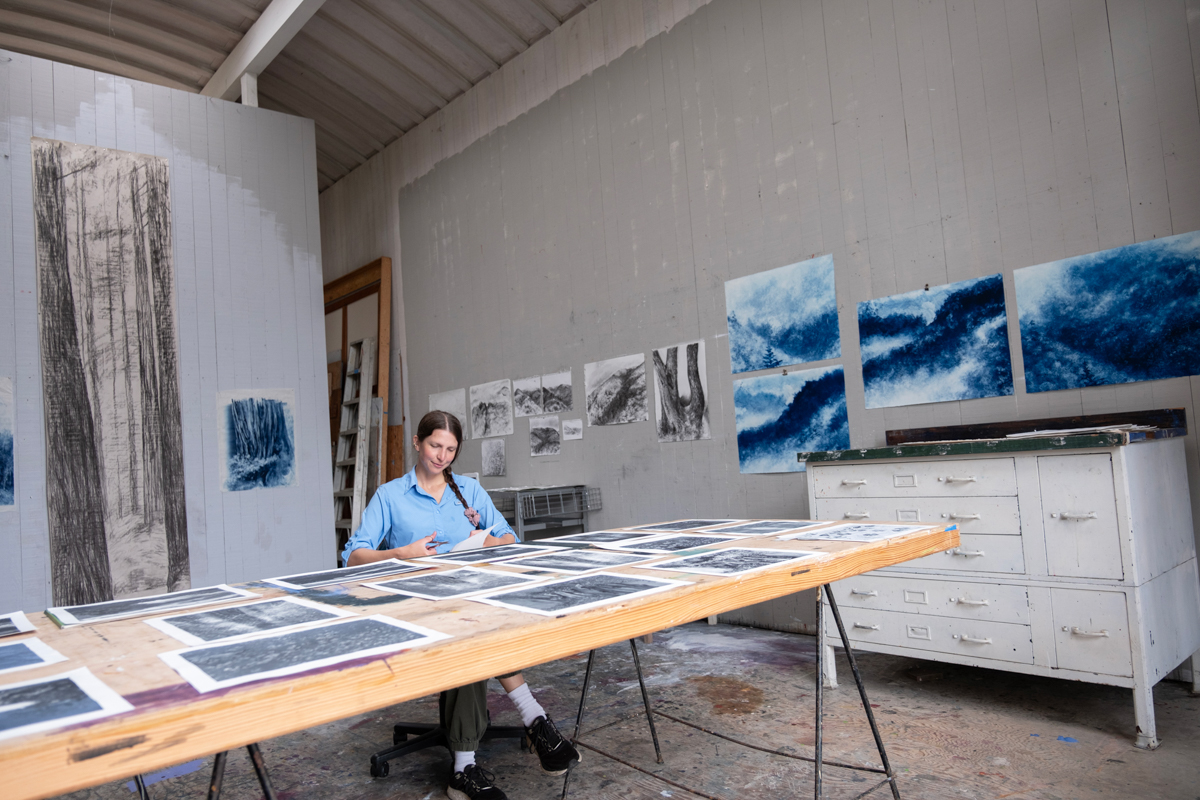
“Colleen Blackard was our most recent artist-in-residence. She says, “My artwork blends landscape and myth to create an otherworld for viewers to enter. I utilize methods of printmaking, drawing, and painting to connect external landscapes to memories and dreams.”


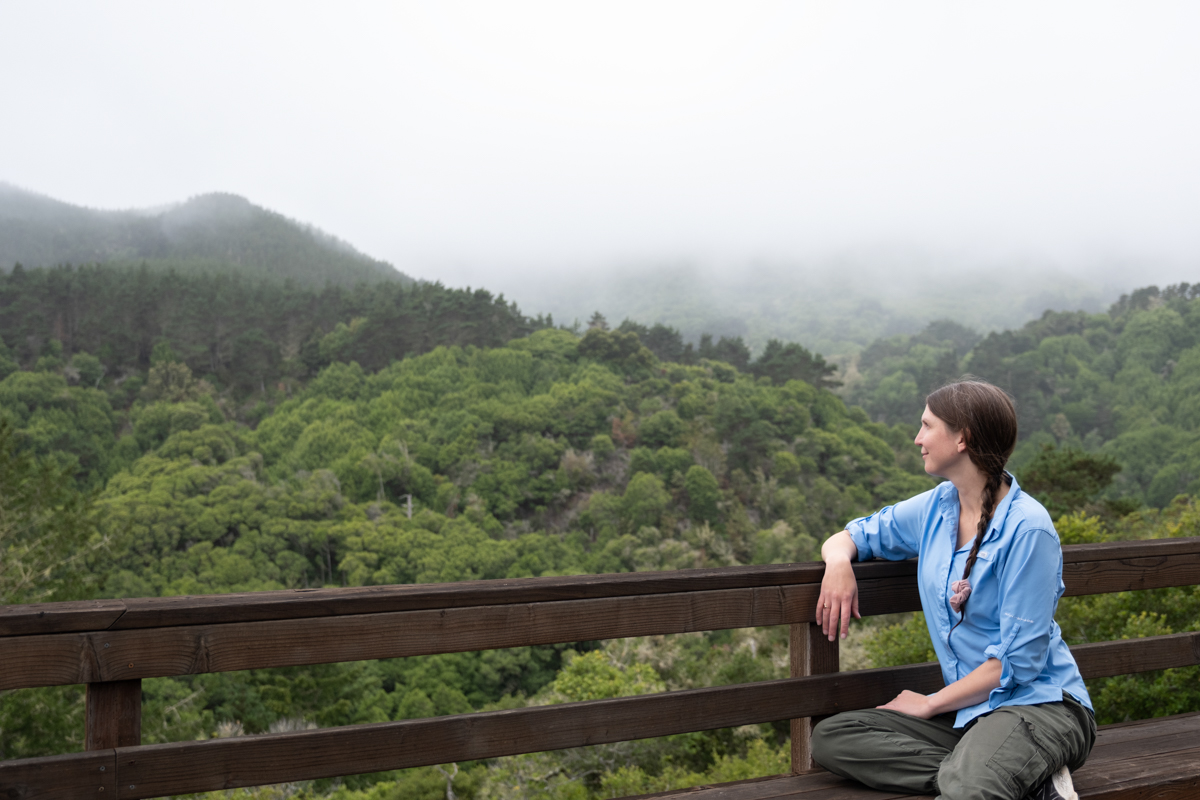
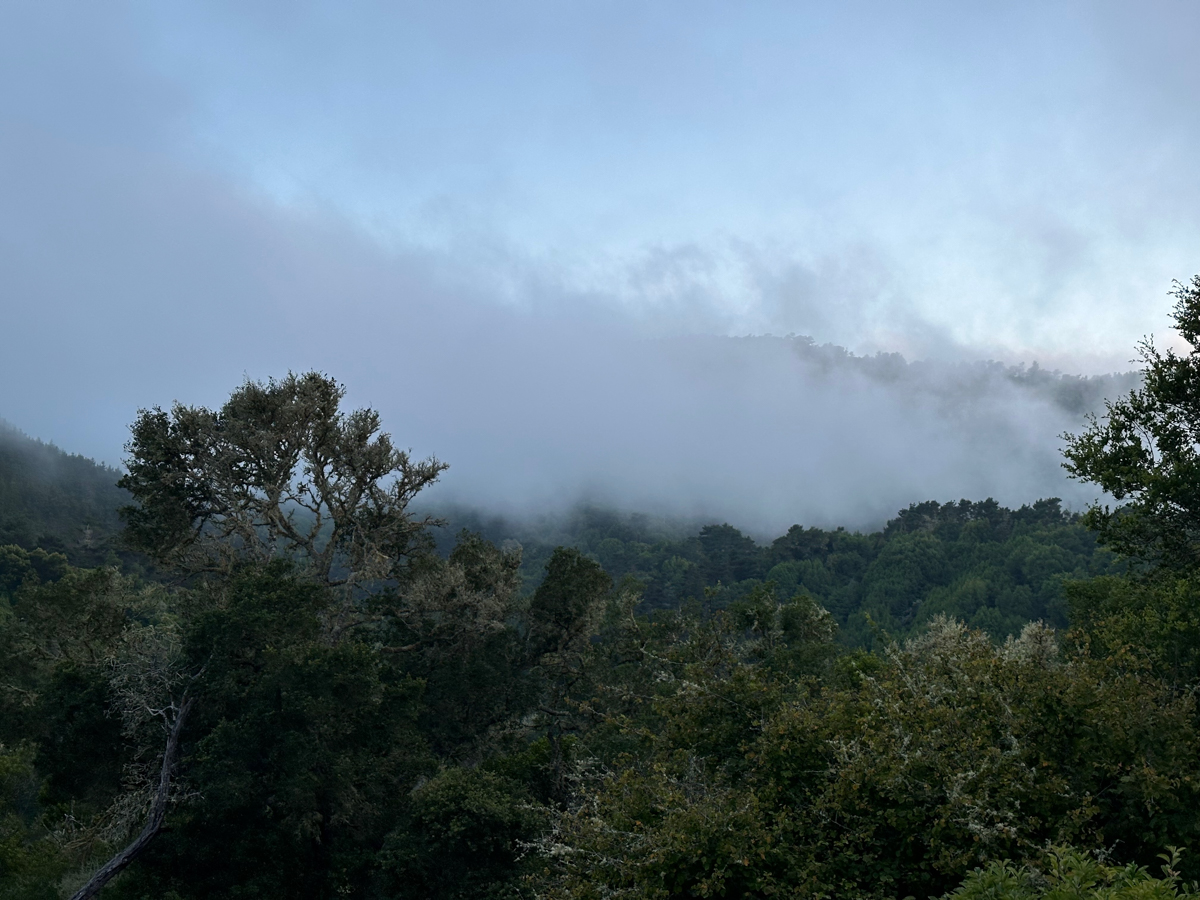
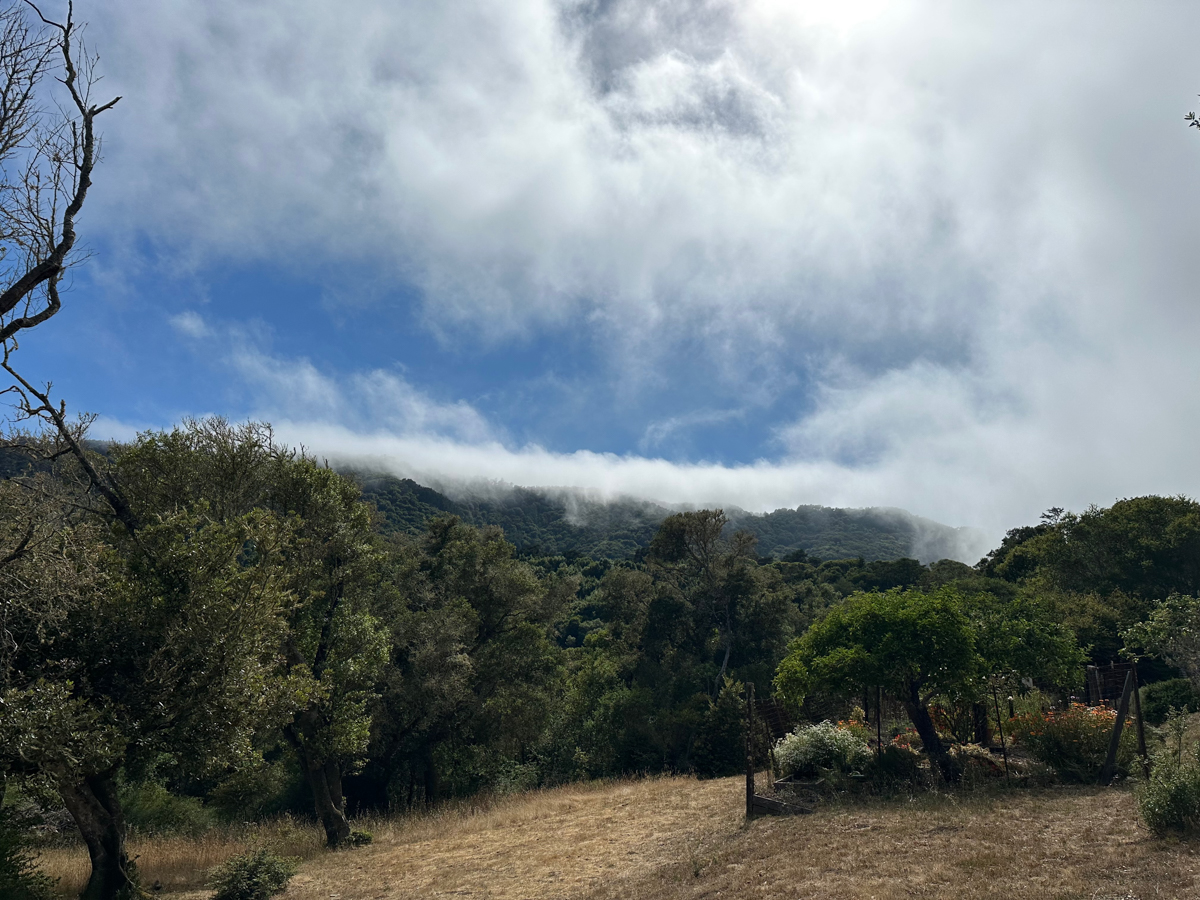
In July 2025, I was the solo resident artist at The Lucid Art Foundation artist residency in Inverness, CA. Immersed in the solitude of the mists and the Bishop Pine Preserve for three weeks, I felt as if I had found the Shangri-La of Lost Horizon. Such an enchanting, peaceful place.

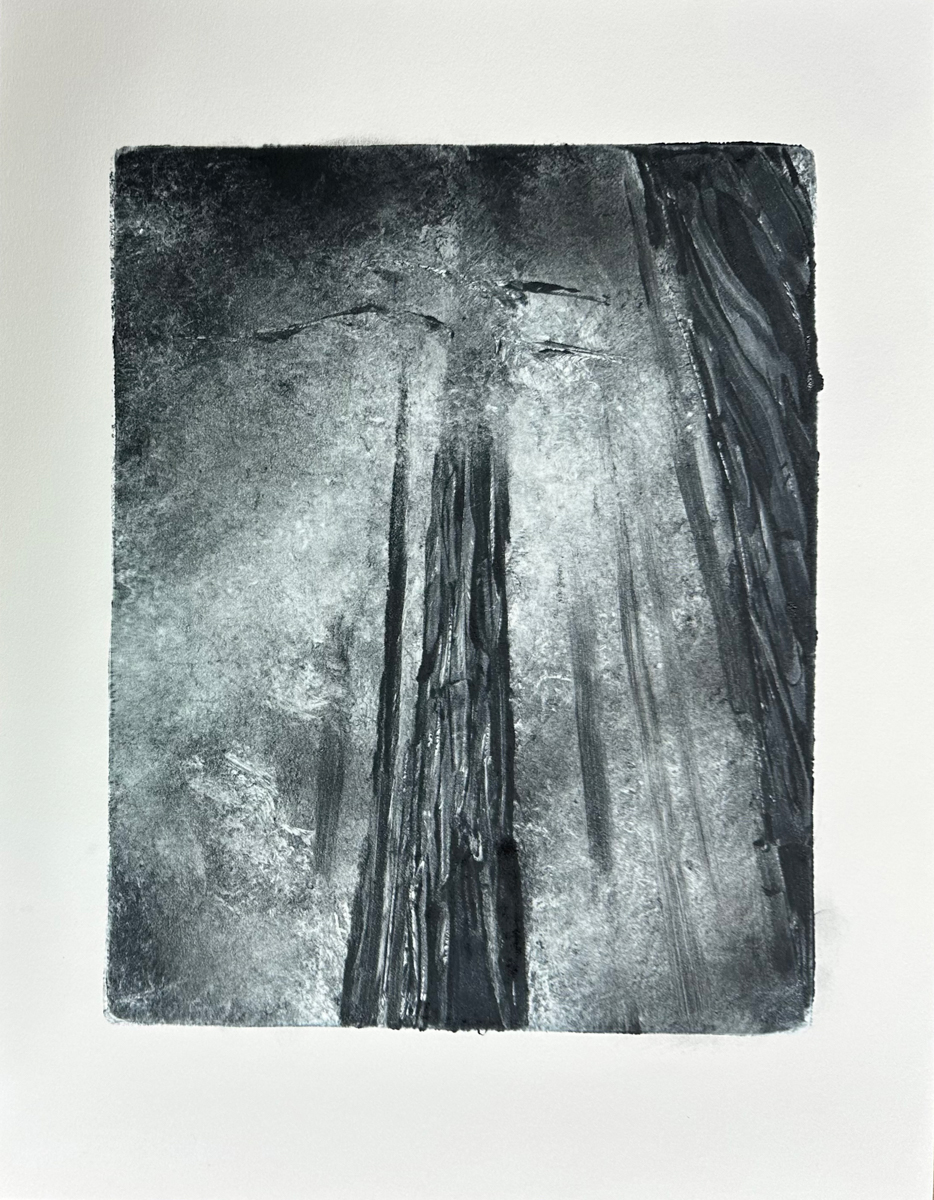
Waking up to woodpeckers knocking and watching the light change on the mist over the preserve seeped into my subconscious. When I wanted to spend more time looking inward, I had a myriad of options within the books surrounding me. I found particular inspiration in Gordon Onslow Ford’s books Creation and Insights, as well as David Bailey’s Journeywork and the book Seeing with the Mind’s Eye. I also found inspiration hiking the nearby trail into the clouds. Living with the mist as a constant presence out my windows, it has now become my inner landscape.

Having the space and time to reflect on my work without outer expectations, I made work just for me. I felt the immensity of this gift of time and space I’d been given. This reverent state of mind shifted how I made my work. In contrast to my recent experience in graduate school, in which I felt like I was in a pressure-cooker for two years, I found it more productive to create work like a simmering pot, slowly coming to a boil. The more time I spent simply breathing in the space, the richer the work. Rather than forcing it, the art happened naturally.

It gave me space to process the feedback I had received in grad school, and when those voices came up, I was able to listen to them with compassion and let some of them go. By the end of my time here, I had a new voice emerging, a supportive voice that was my own, and I felt deeply present and centered.

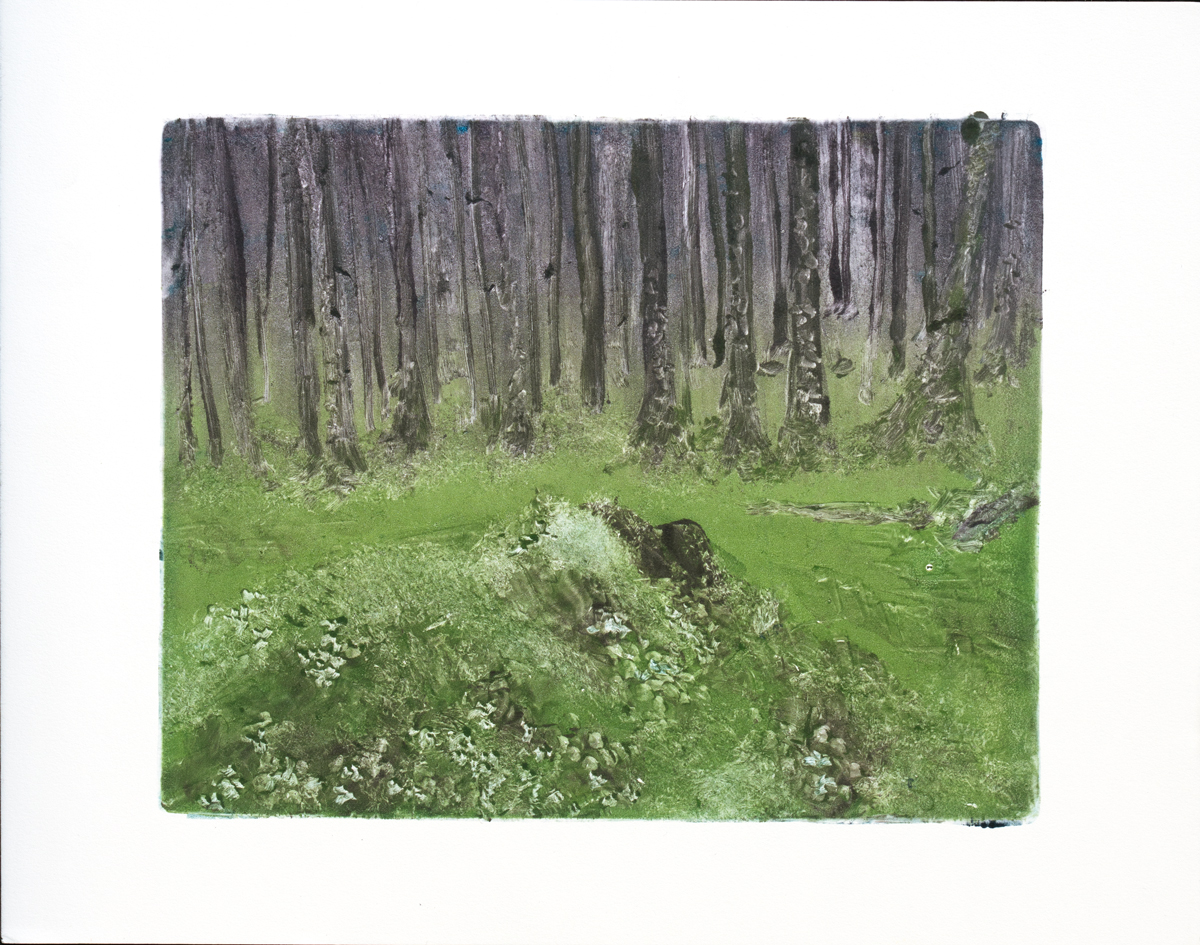
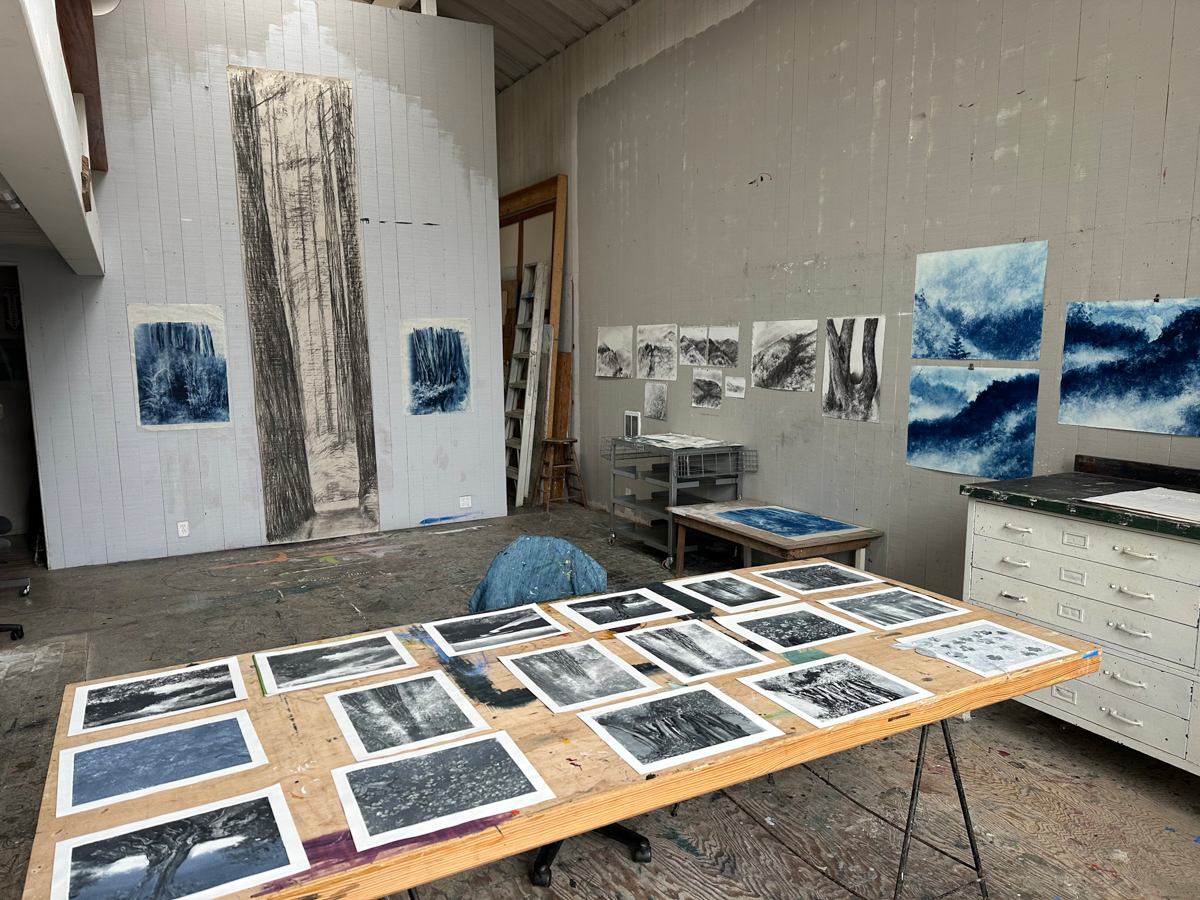
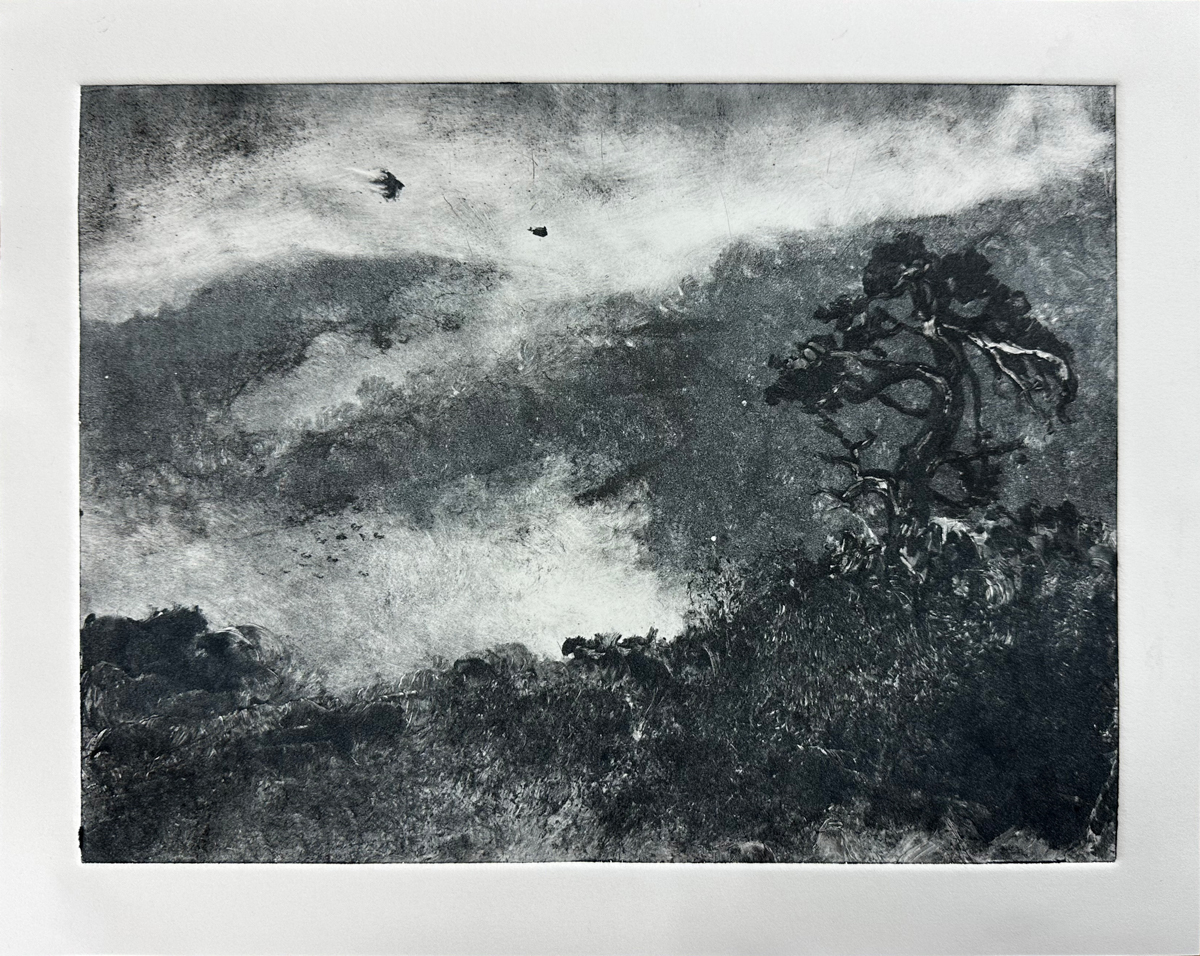
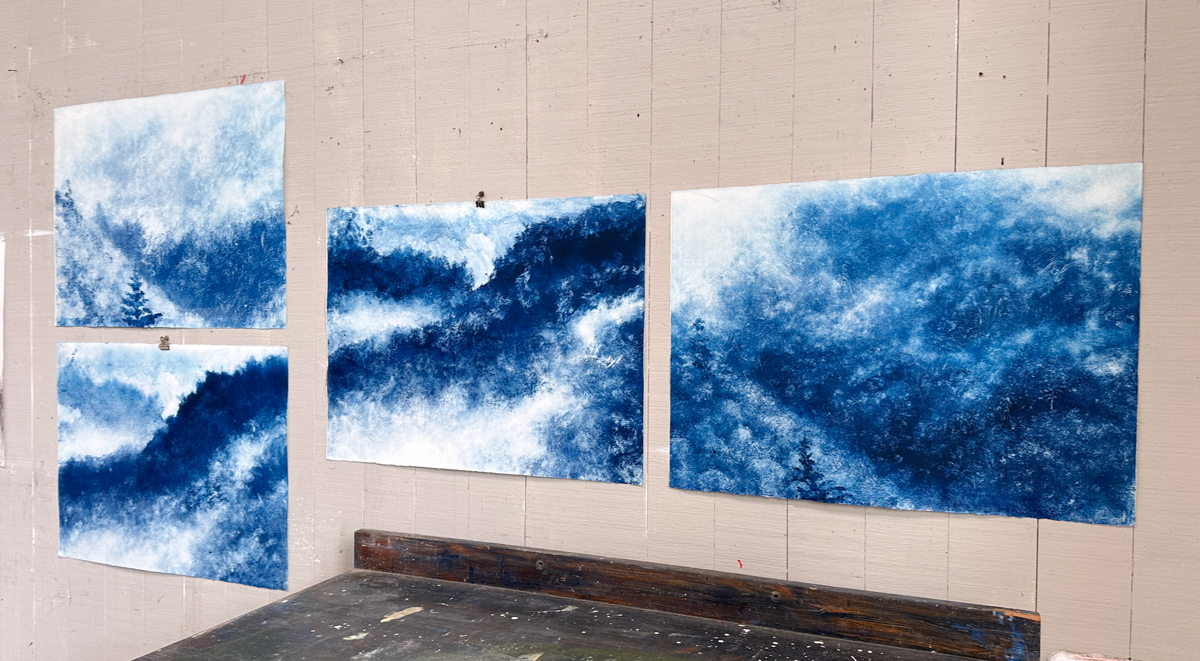
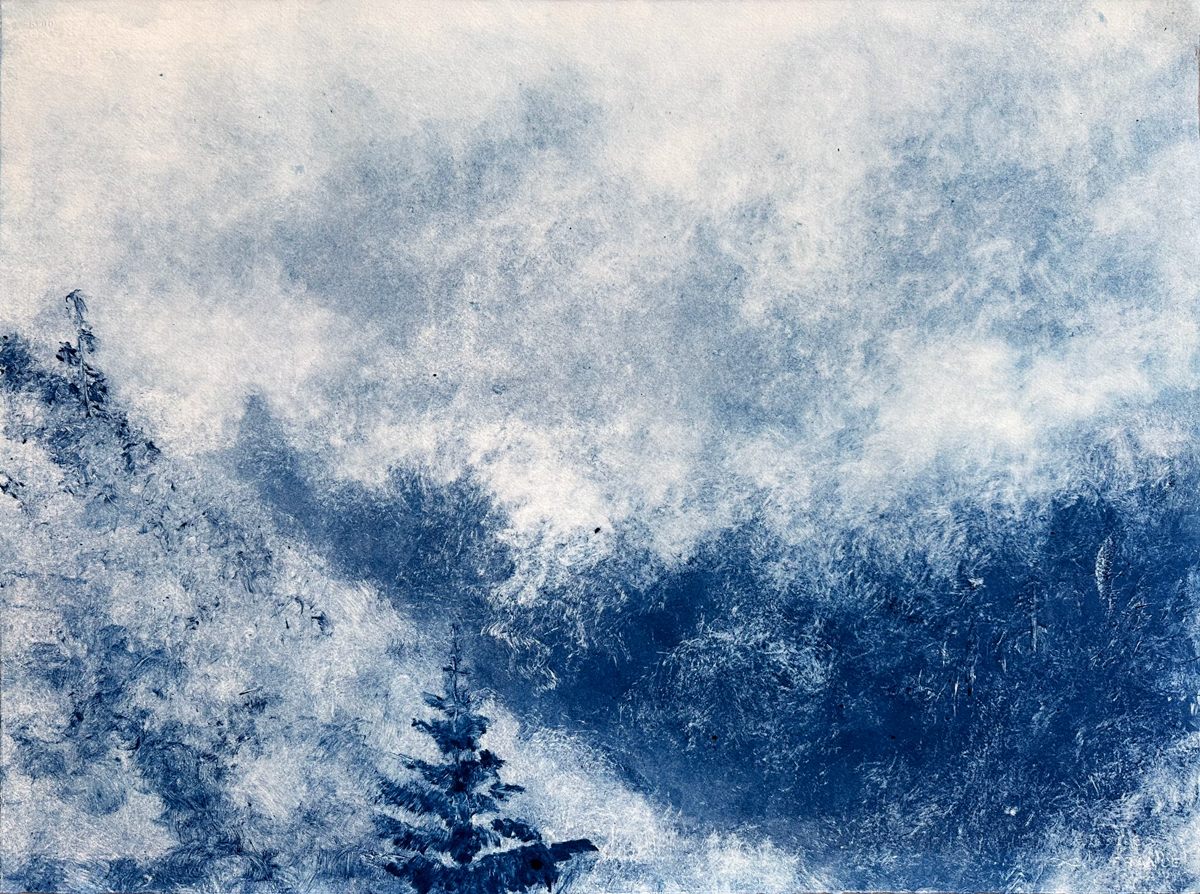
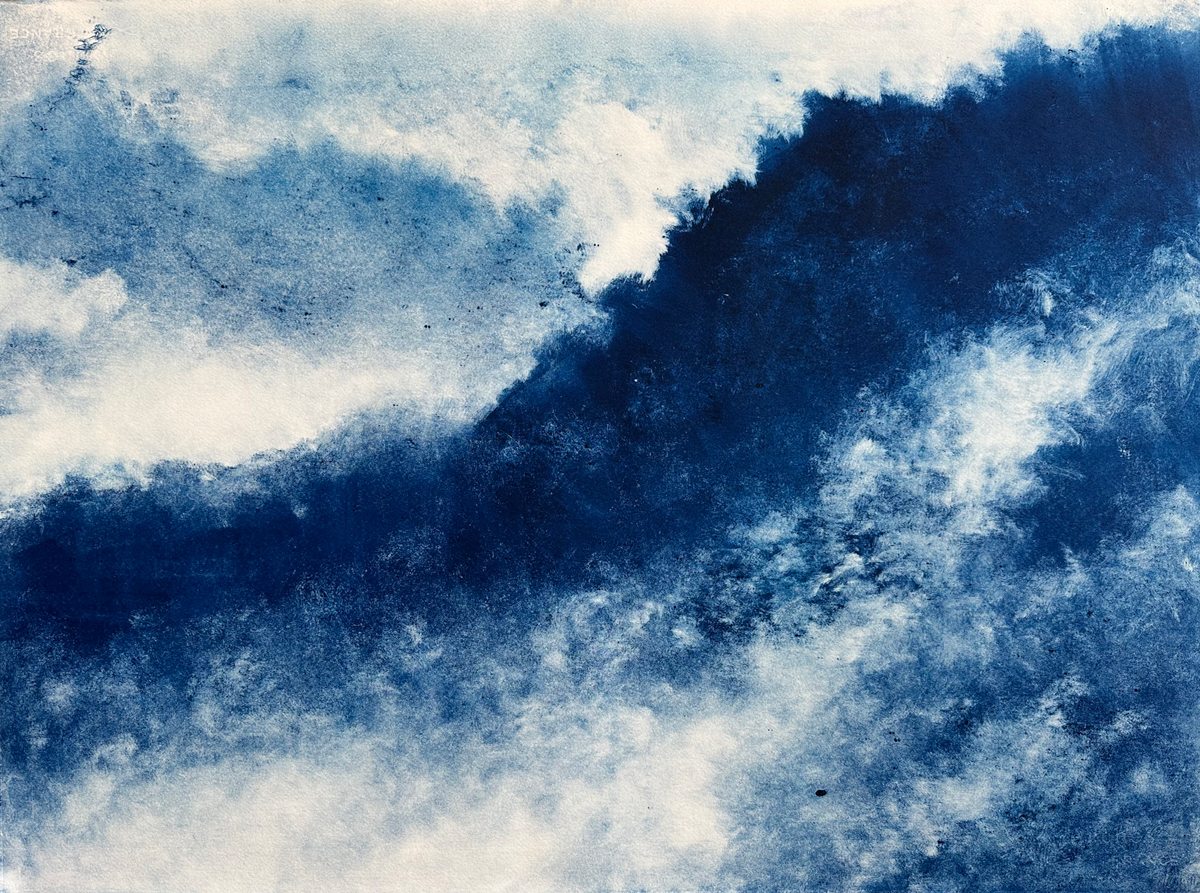
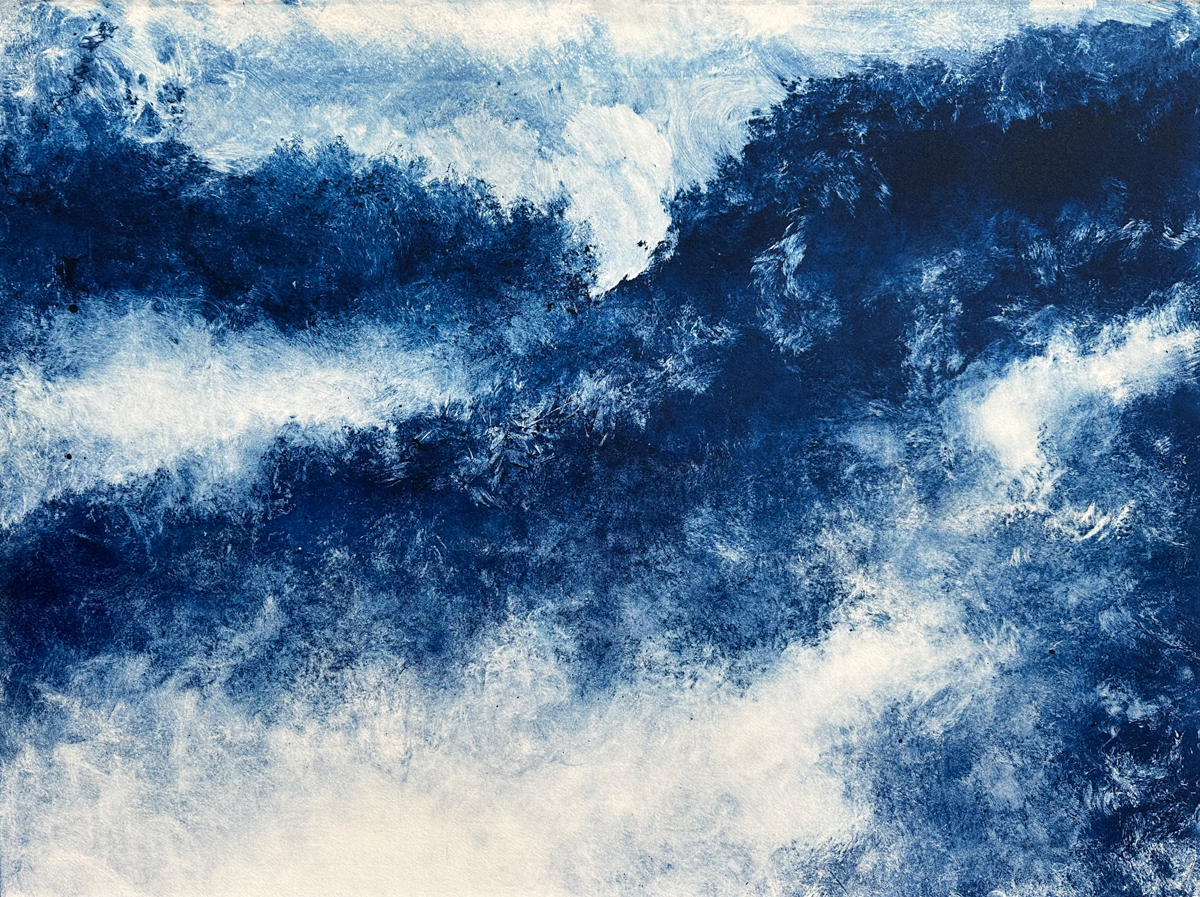
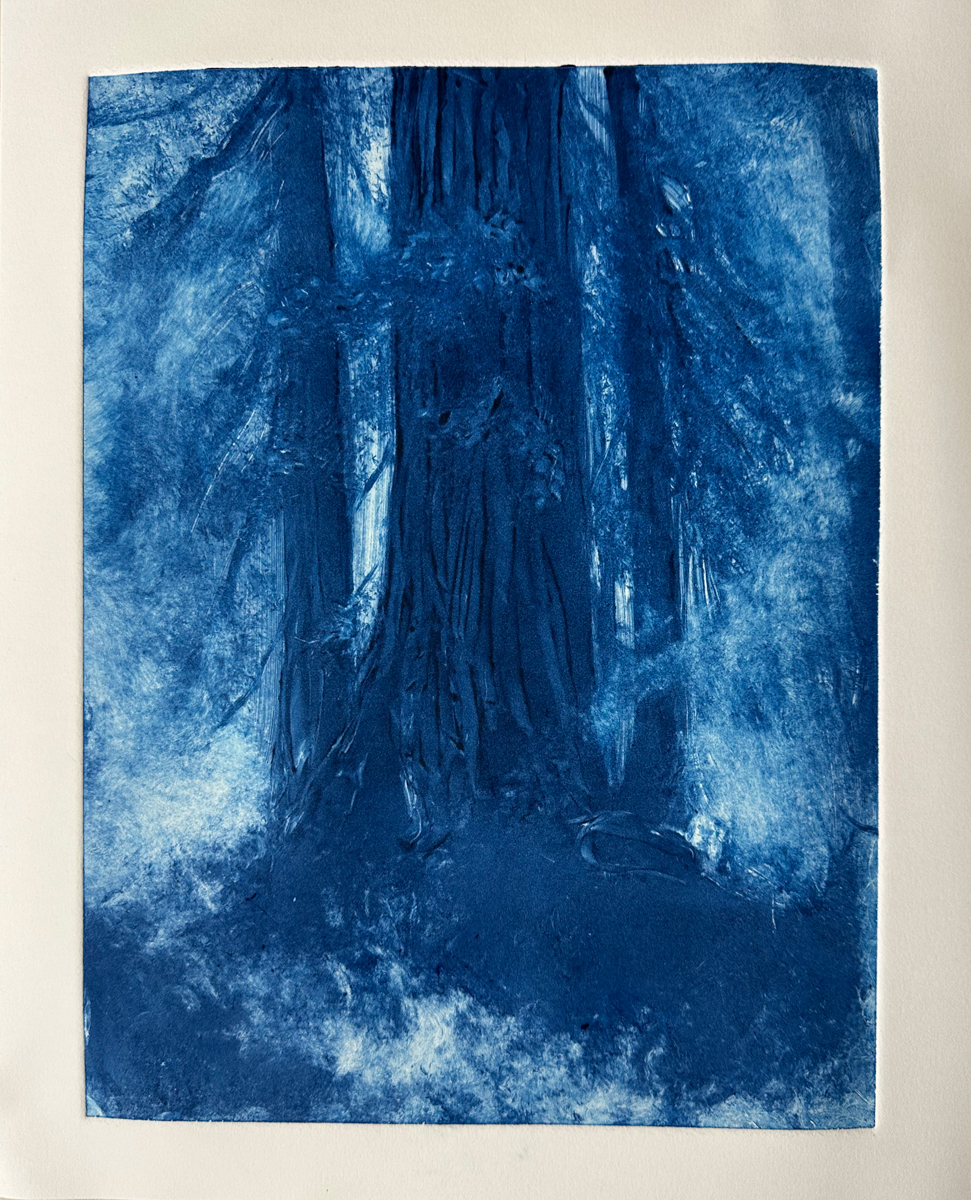
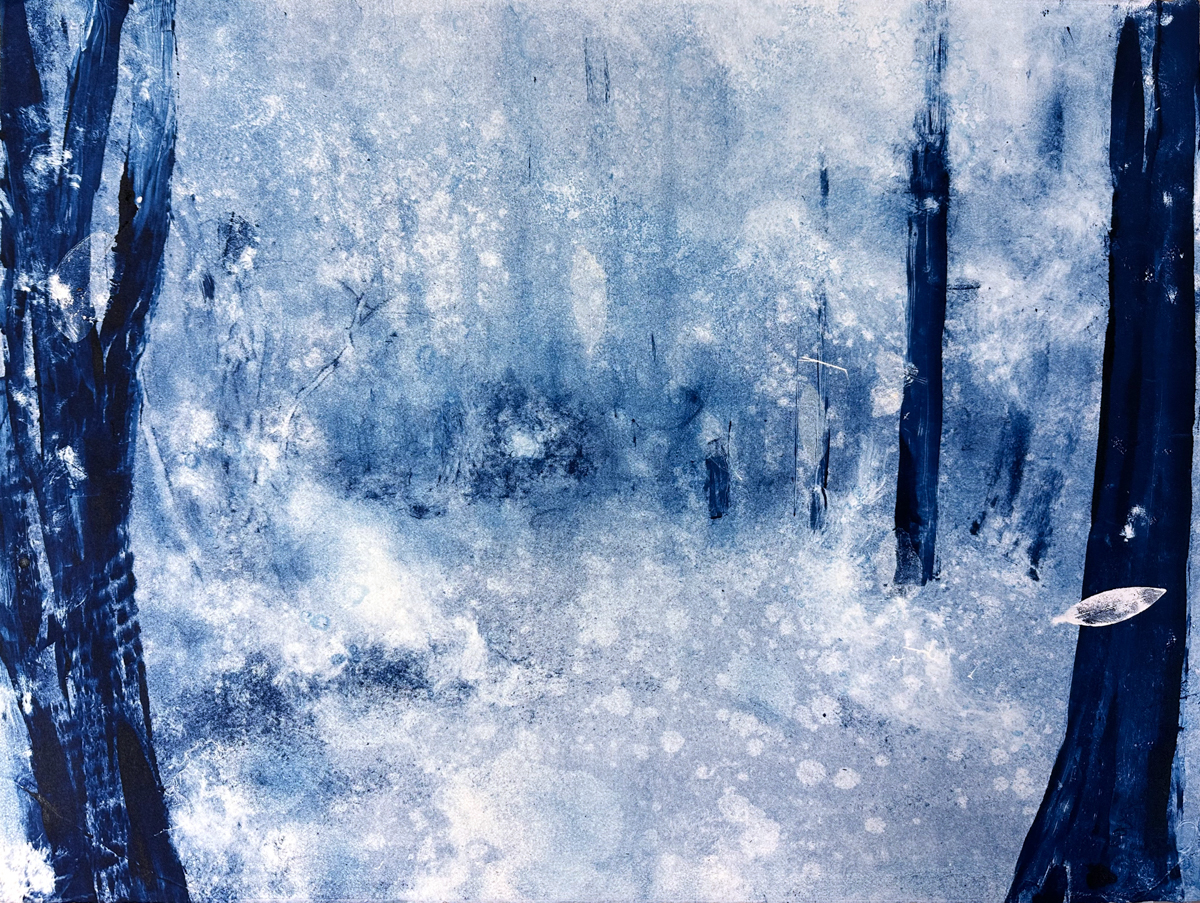
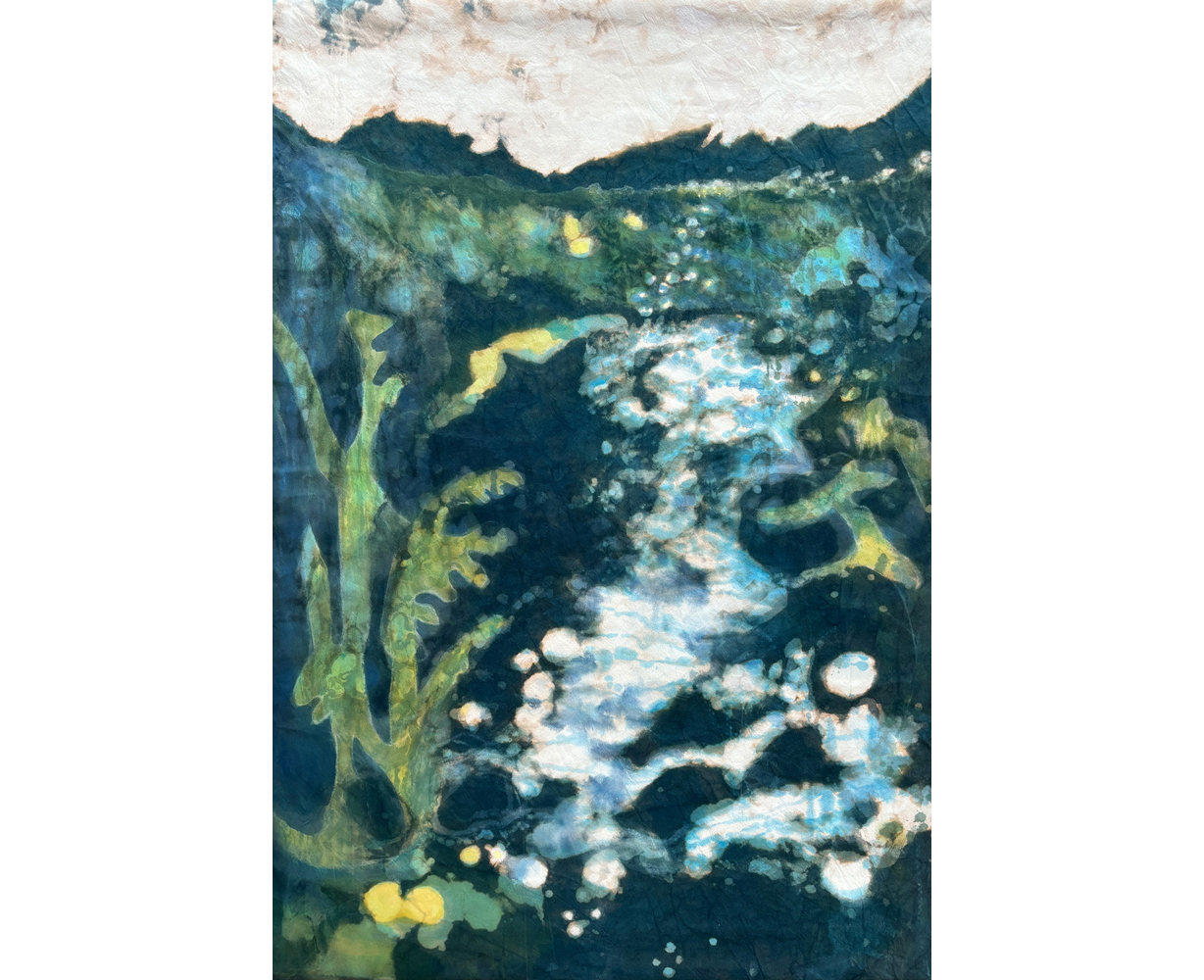
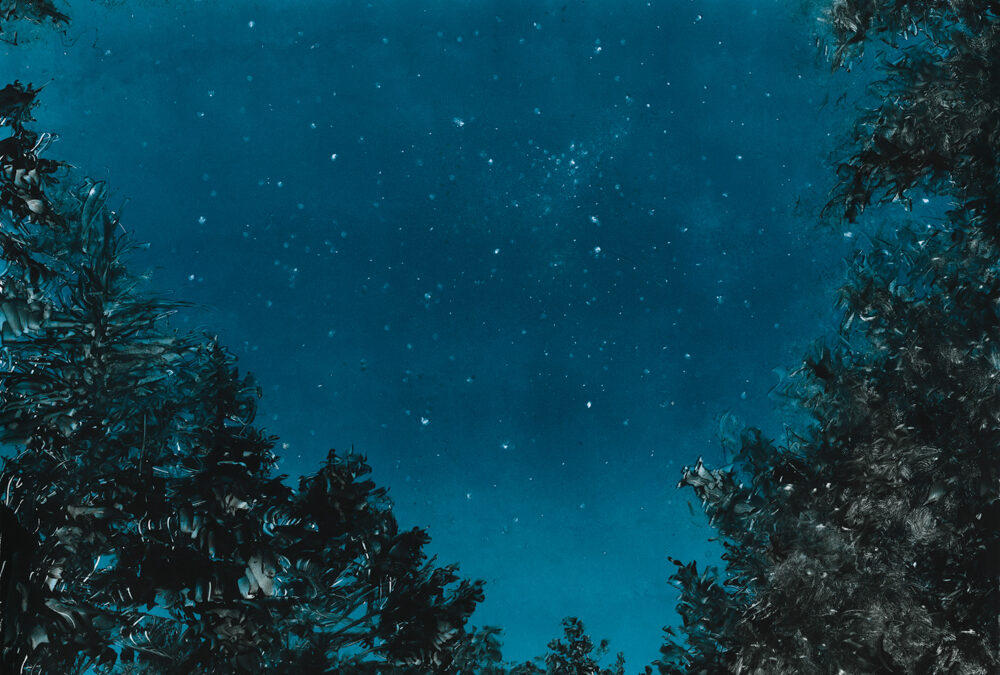
I created a series of prints responding to the mist as I imprinted it into my subconscious. I realized that this mist was unlike the swamp-like mists I had encountered in the marshes of the Northeast, which rise up from the ground quietly, like visible breath in the winter. Instead, this mist is the ocean come to land, and as it swept over the pine preserve, it brought forceful, chilled winds like water currents, sprinkling ocean spray.

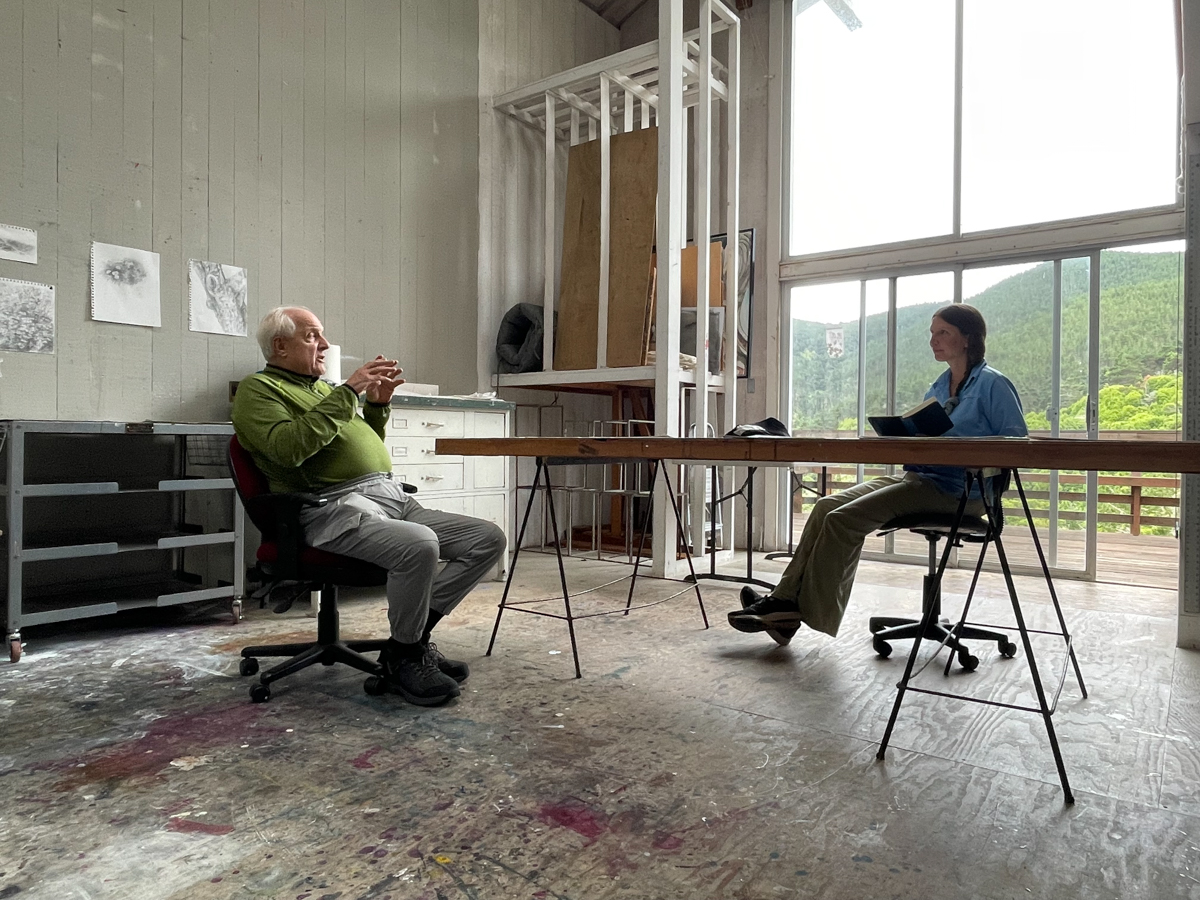
Towards the end of my visit, I was delighted to have tea with members of the Lucid Art Foundation and to have a studio visit with Professor Jeremy Morgan, Associate Professor of Painting at SFA. After being interviewed by Professor Morgan via phone when I was applying for grad schools in 2022, I was glad we could finally meet in person. I value the many brilliant suggestions and recommendations he made during our visit. I have much to consider.

So grateful for this time and the connections made.

2025 Jerry Manson Residency

2025 Jerry Manson Residency

From Flatbed Press:

“Flatbed welcomed Colleen Blackard to Flatbed for the 2025 Jerry Manson Residency in February.

After a decade in Brooklyn, Colleen Blackard recently returned home to Austin, TX. She received her MFA in Studio Art at The University of Texas in Austin in 2024, and her BA from Hampshire College, MA in 2009. She is the recipient of international residencies and fellowships such as Atelierhaus Hilmsen in Germany, Cill Rialaig in Ireland, and Jentel in Wyoming. She received the Pollock-Krasner Grant in 2017 and the Dorothy LaSelle Travel Fellowship in 2024. Her work has been exhibited internationally in galleries such as ACA Galleries and Owen James Gallery in NYC, Mönchskirche Gallery in Germany, ISSO Gallery in Tokyo, Foltz Fine Art in Houston, and SPRING/BREAK Art Show. In 2021, her solo exhibition at Redbud Gallery, Houston, was awarded “Top 5 shows in Texas” by Glasstire.

At Flatbed, she plans to create a series of work responding to her recent travels through Tuscany last summer to discover the space that emerges when combining her memories and the history embedded in these sites with the will of the press. Look for Colleen’s show in early 2026 at Flatbed!”


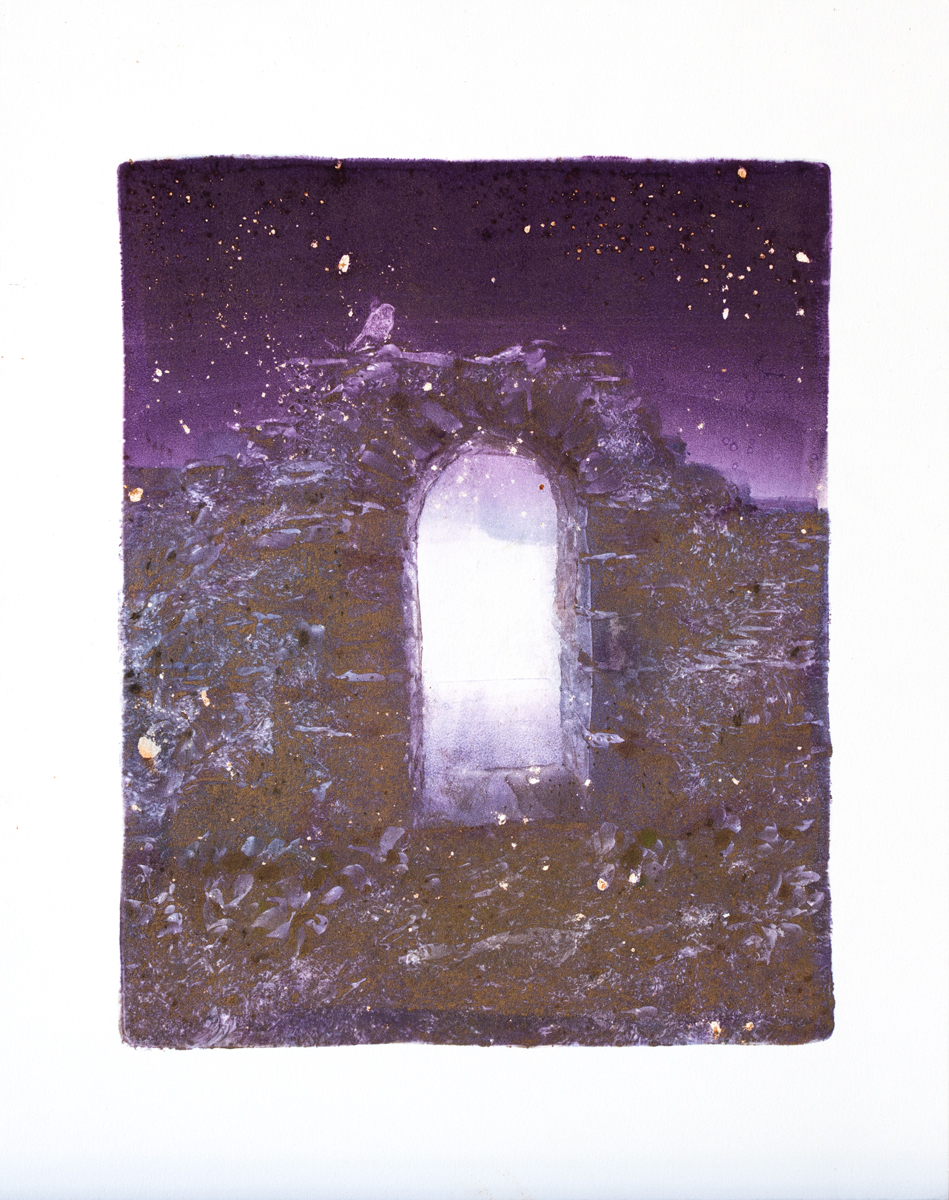
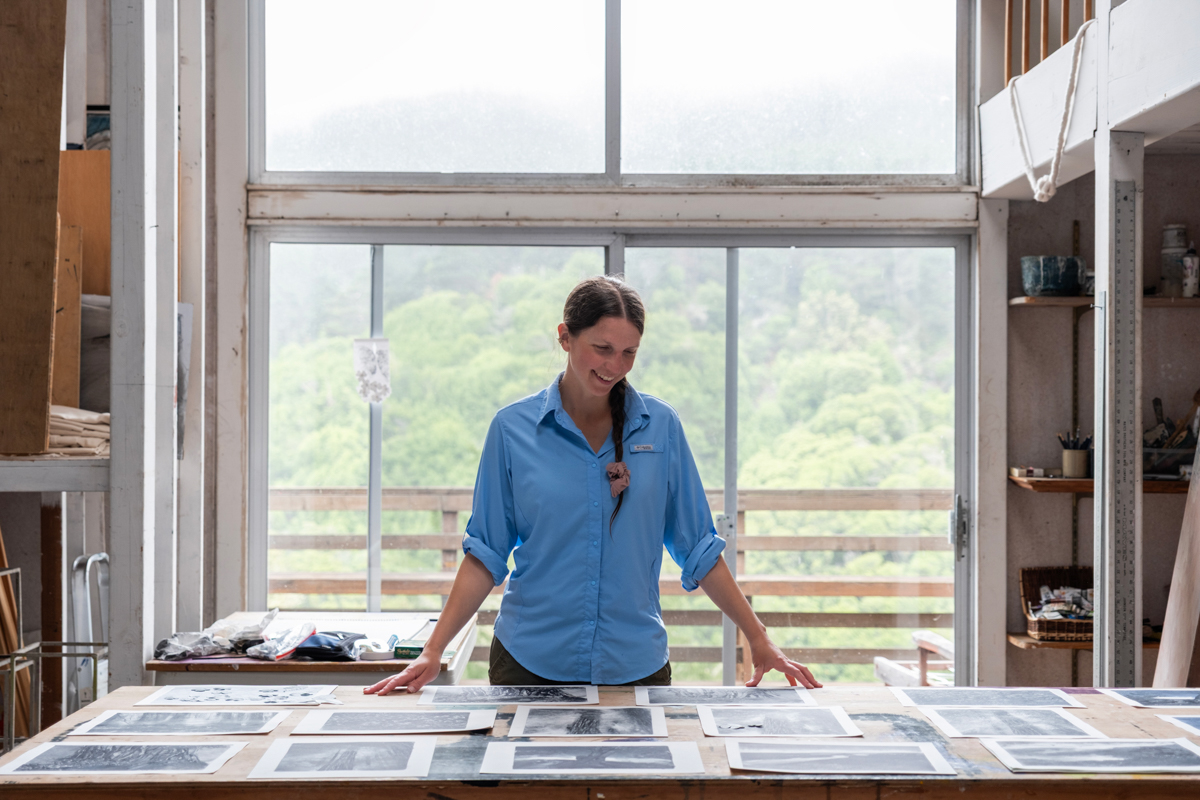
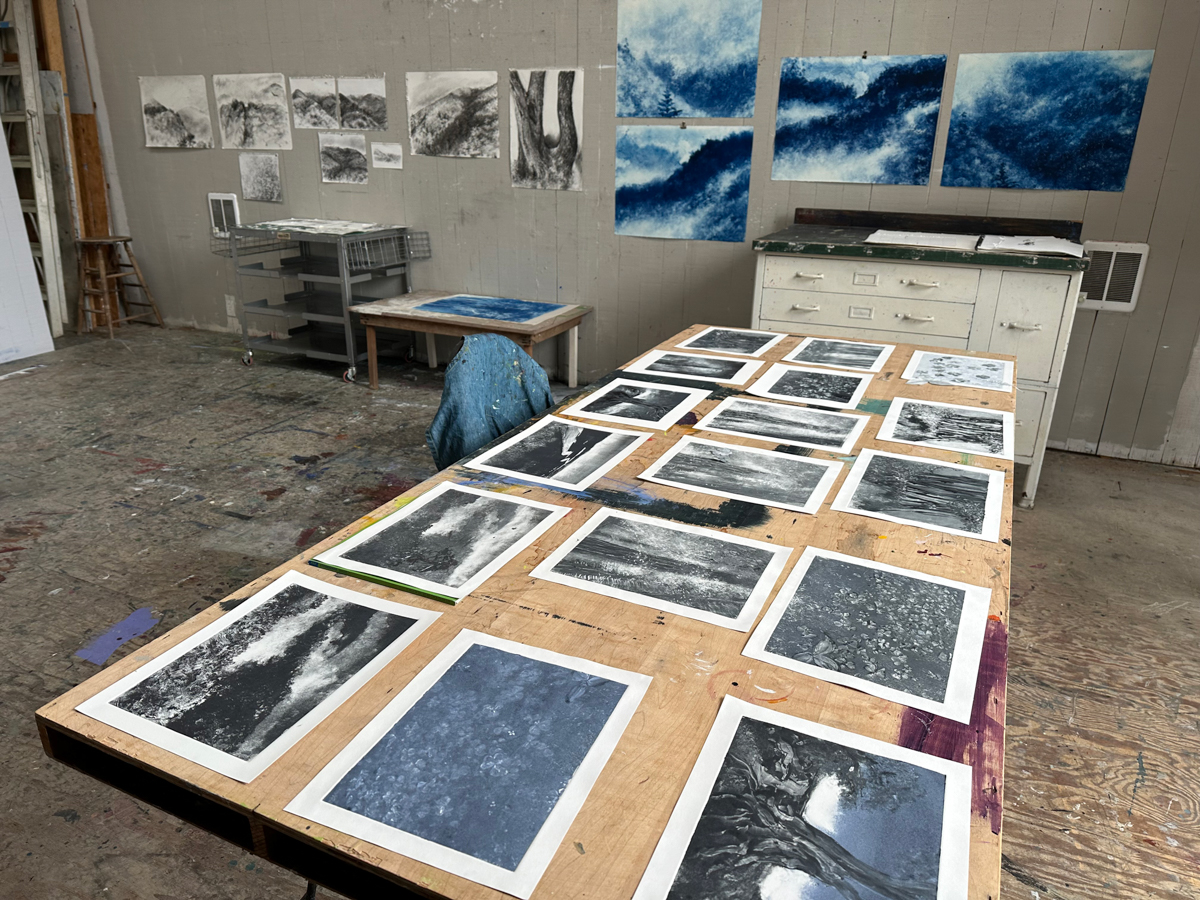
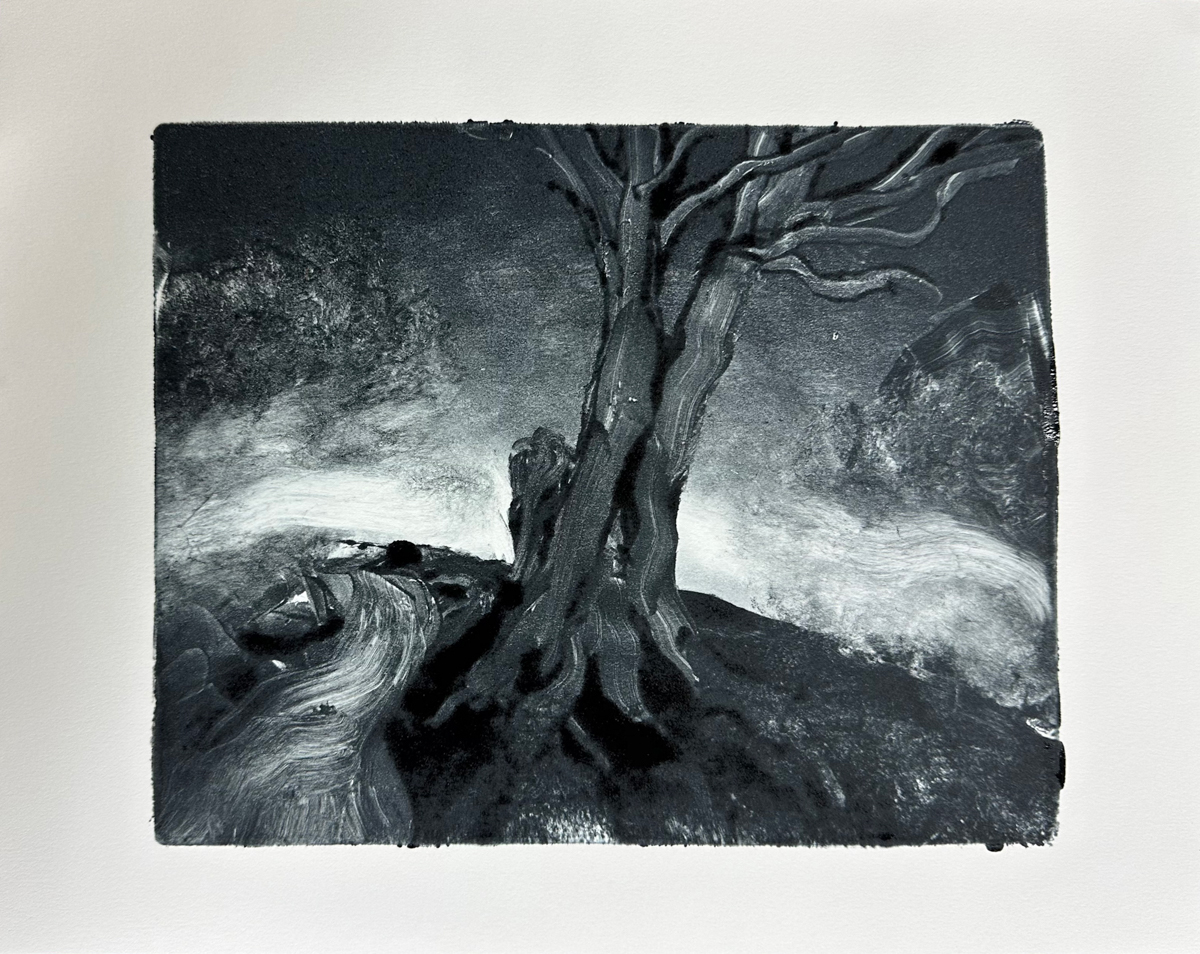
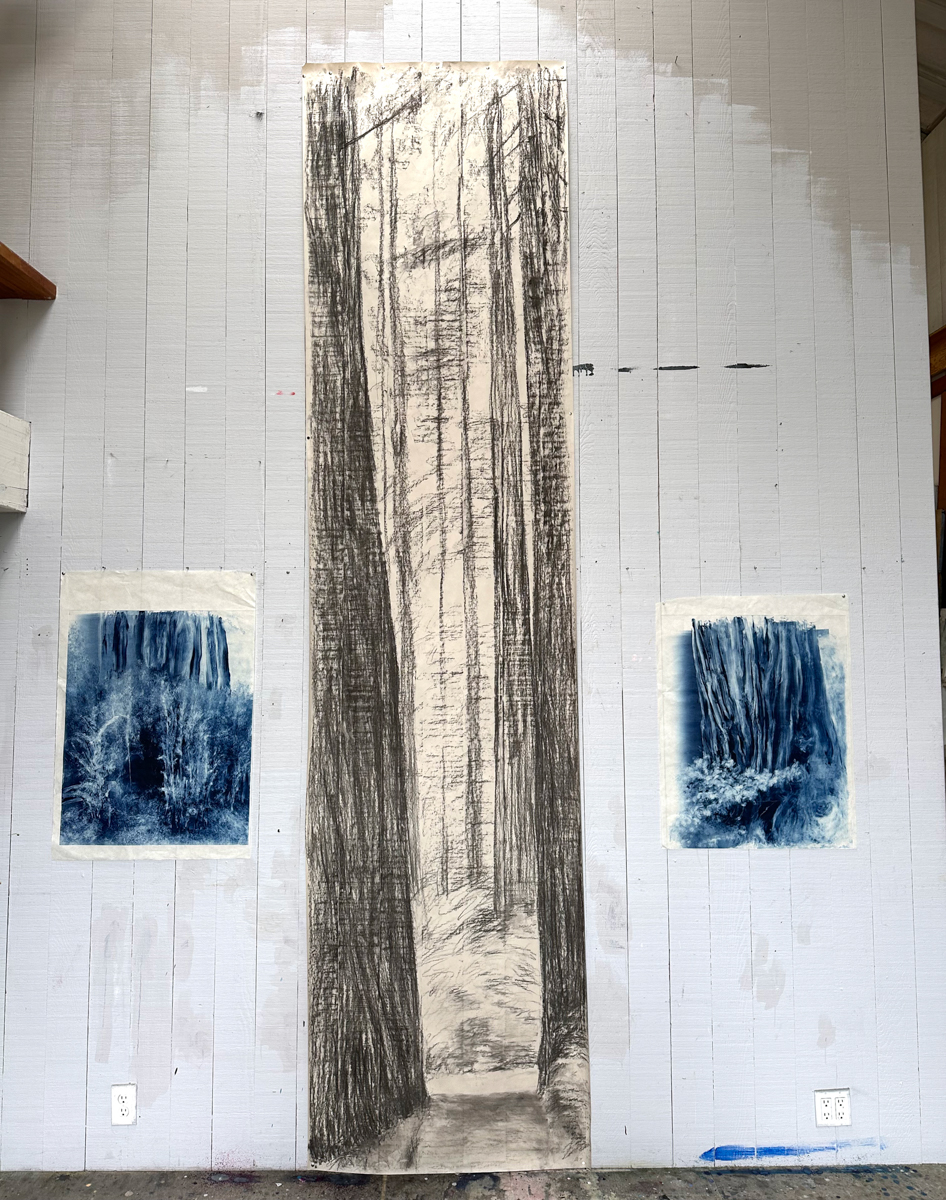
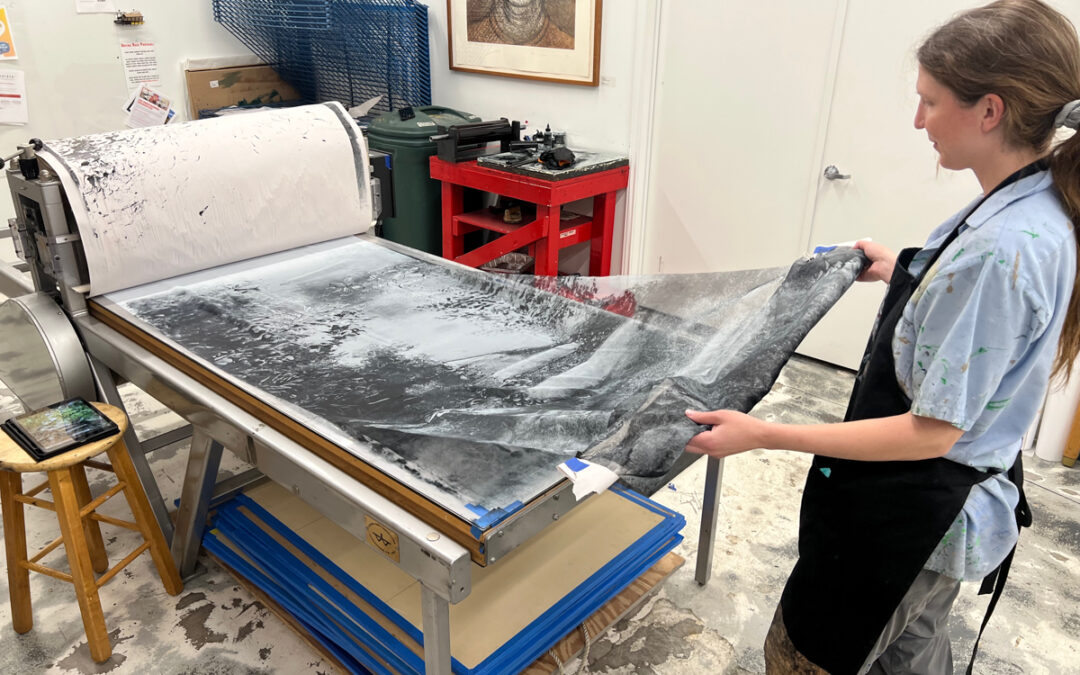
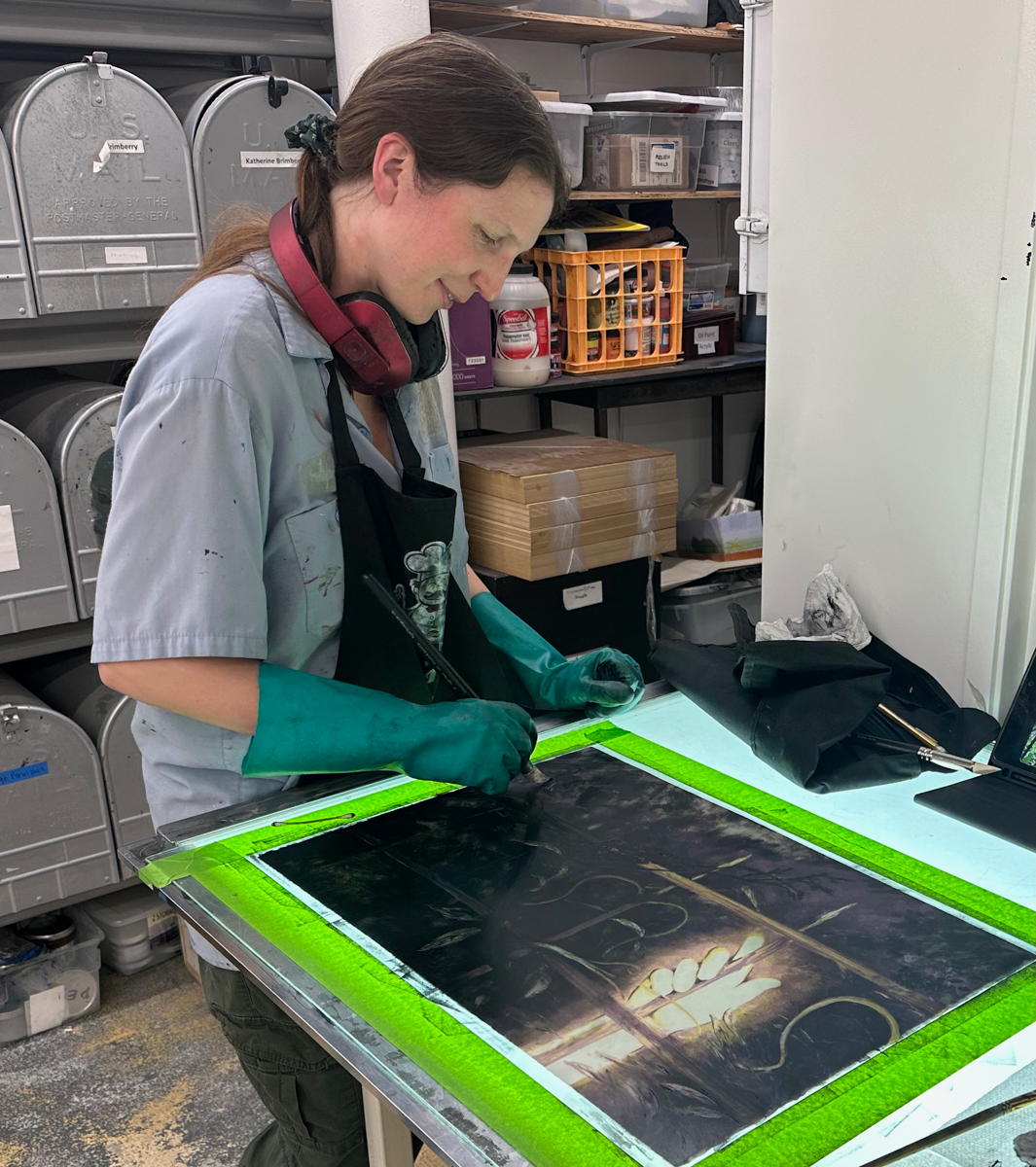
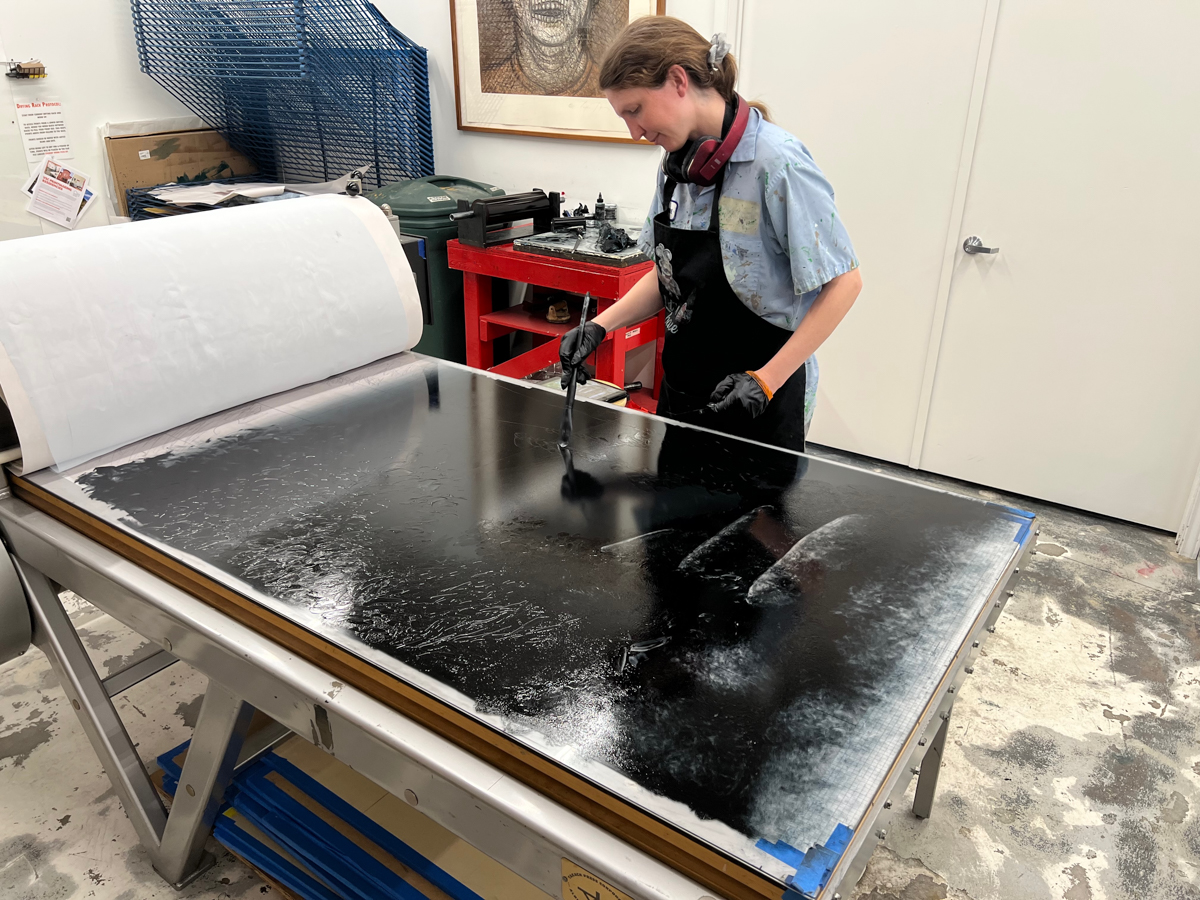
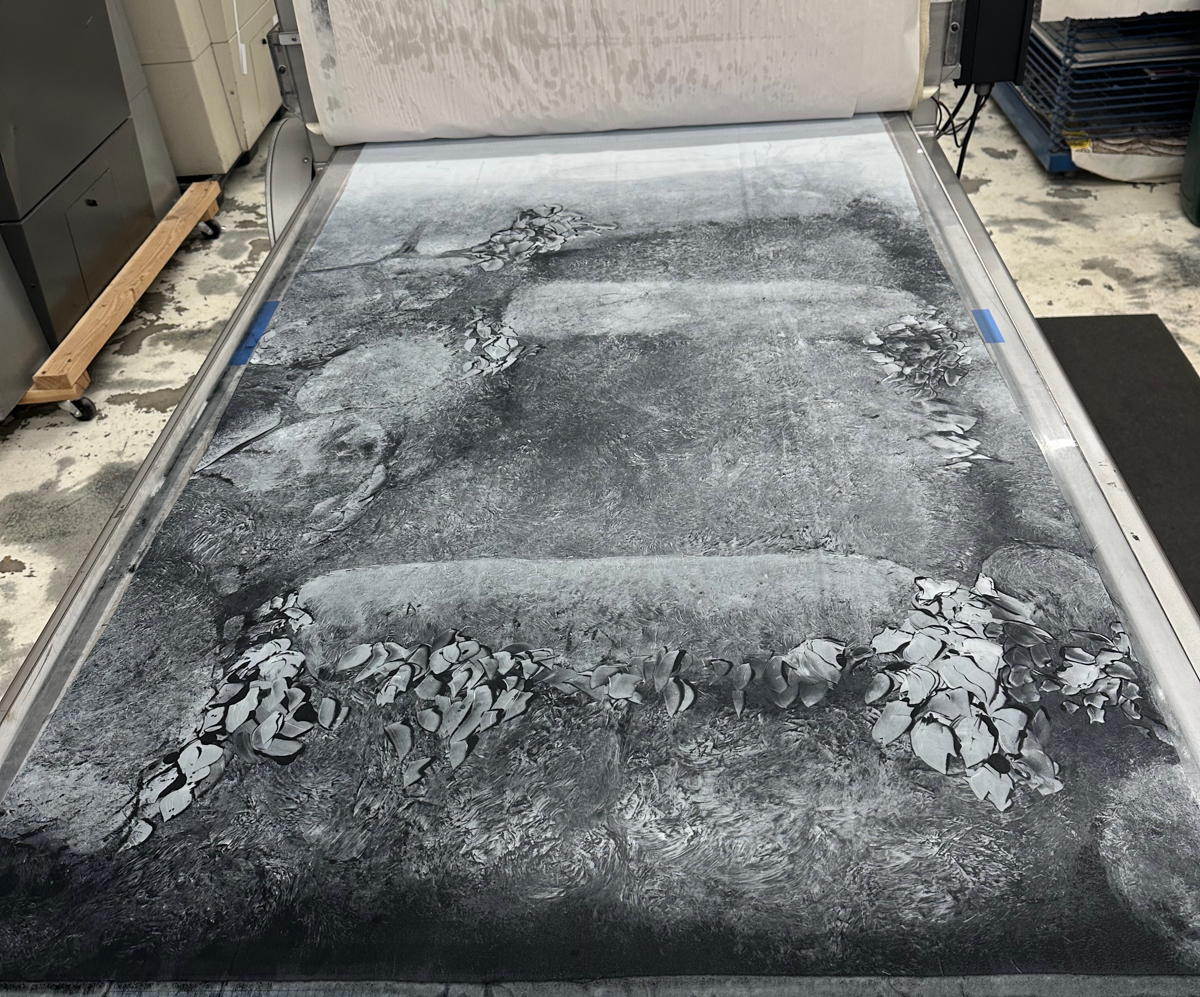
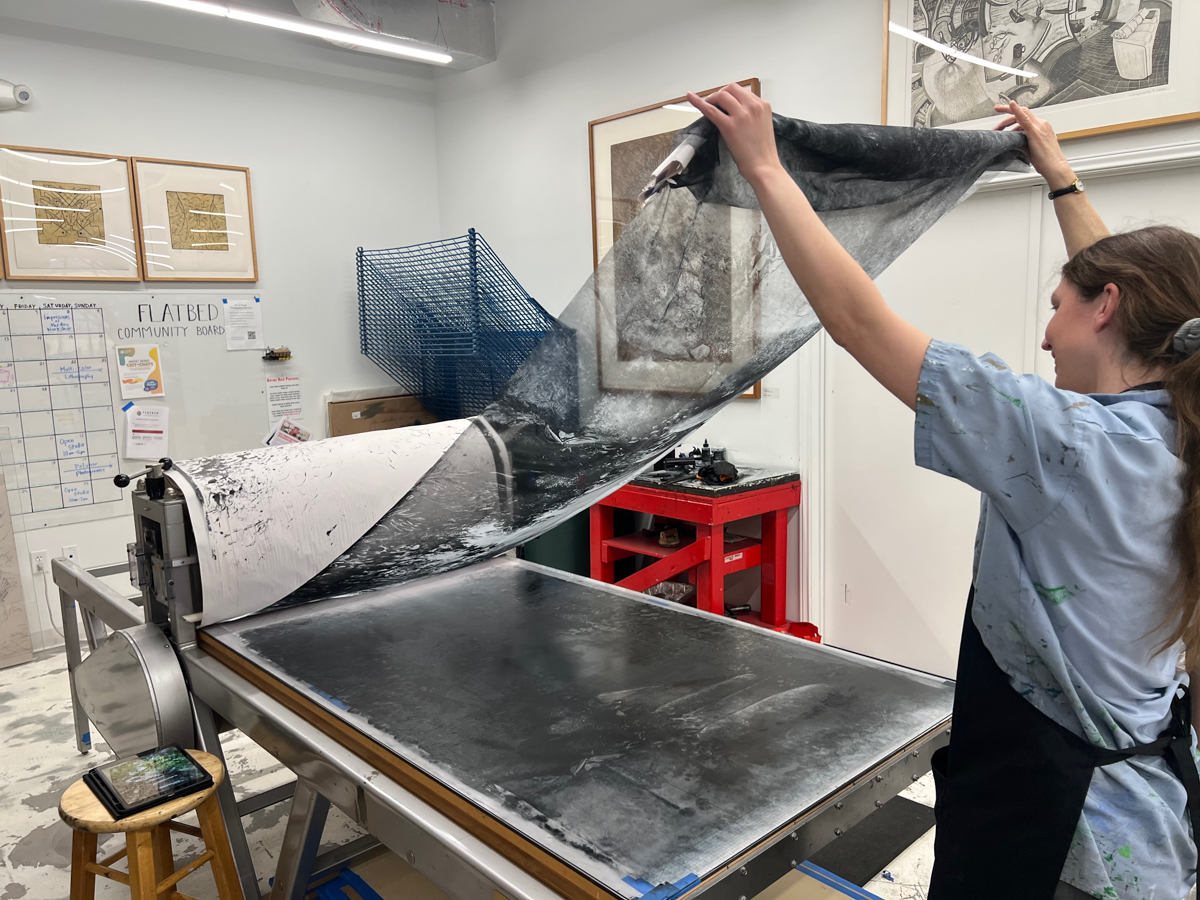
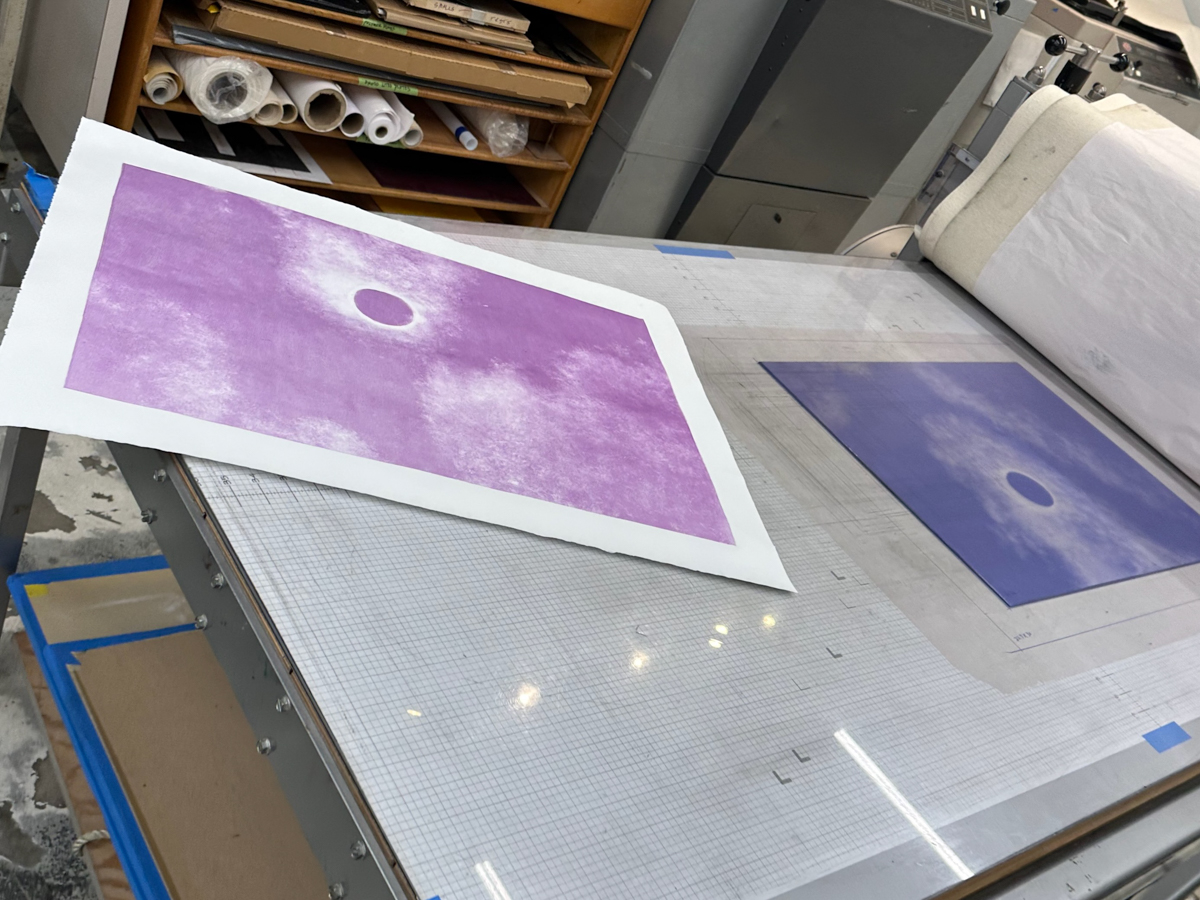
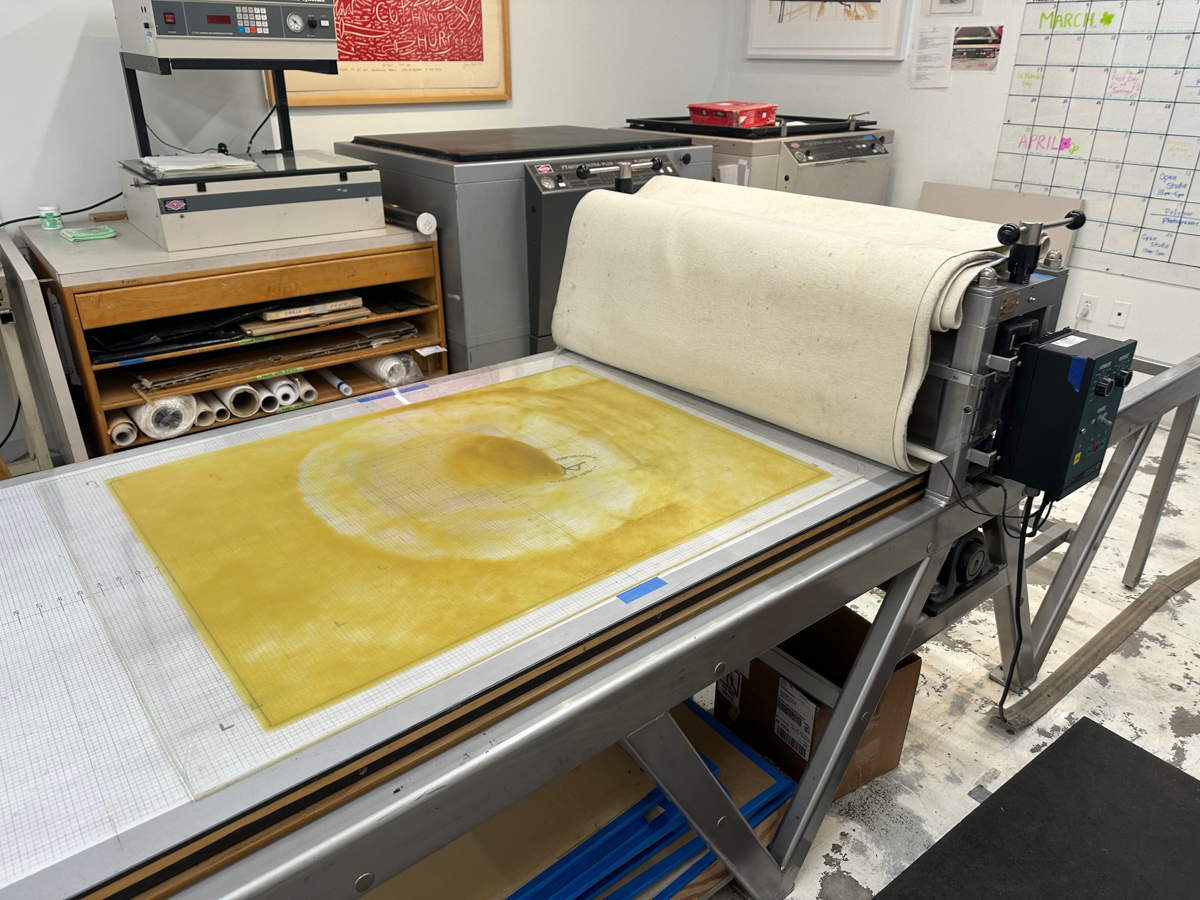
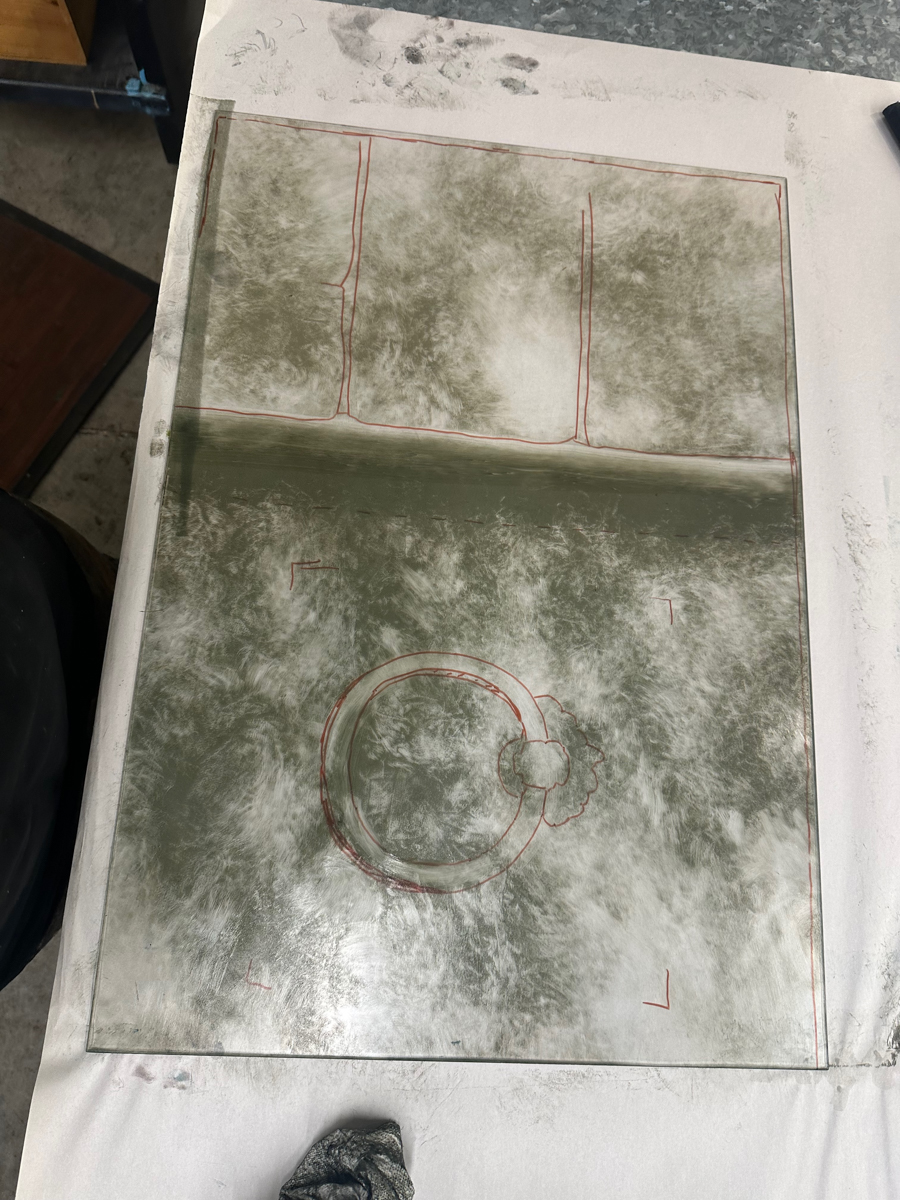
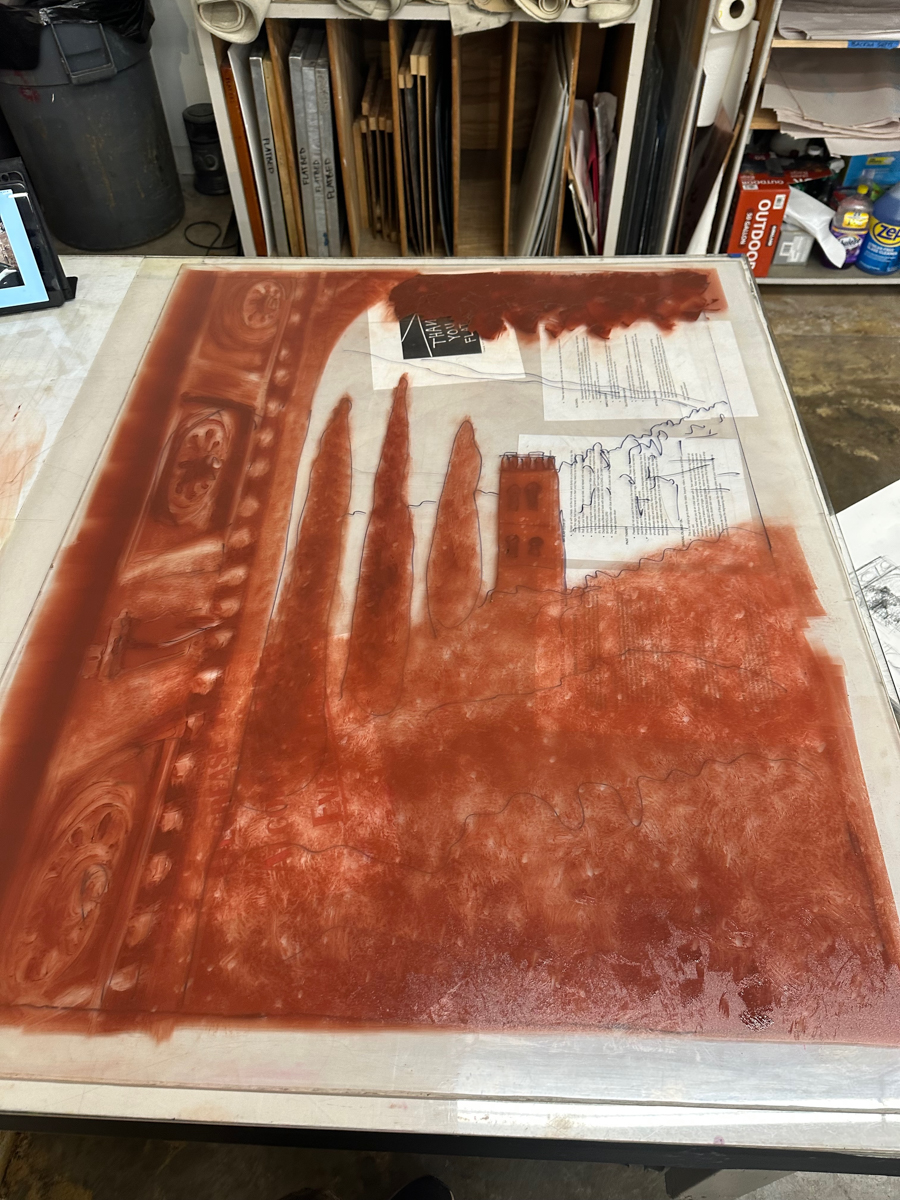
From February – April 2025, I had the honor of being the 2025 Jerry Manson Resident at Flatbed Press in Austin, TX. This allowed me 24/7 access to the printshop, where I had the privilege of learning from Joshua Orsburn, the master printer there, as well as taking a soft-ground etching workshop with Belinda Casey. I also learned so much from the experienced printmakers who make up the Flatbed Community Printshop, and my printmaking practice flourished. I began working in layers in my monotypes and translating my monotype process to photo lithography and photopolymer etching. I incorporated other intaglio processes such as soft-ground etching, chine collé, and sugar lift etching into the layers of my work. All of this came together in my work, An Unfound Door, a series of monotype prints on my recent adventures through Italy.

Last summer, I was fortunate enough to be the teaching assistant for Learning Tuscany, the University of Texas at Austin’s Art & Art History summer program. As the teaching assistant, I supported students as they learned art history in historical sites such as the Vatican Museum and the Duomo in Florence and developed their photographic skills in such places as the Campo in Siena. Spending a week in Rome and then staying in the town of Siena for 5 weeks, I was immersed in the culture and the colors, sounds, and smells of the Tuscan summer are imprinted on my mind. I was also able to travel to Venice for the Biennale for the first time, and to paint with my artist friend Julia Zaremba near the Tuscan town of San Quirico. After the course ended, I traveled to the artist residency, Arte Studio Ginestrelle in the town of Assisi with my partner, writer Sam Teeter.

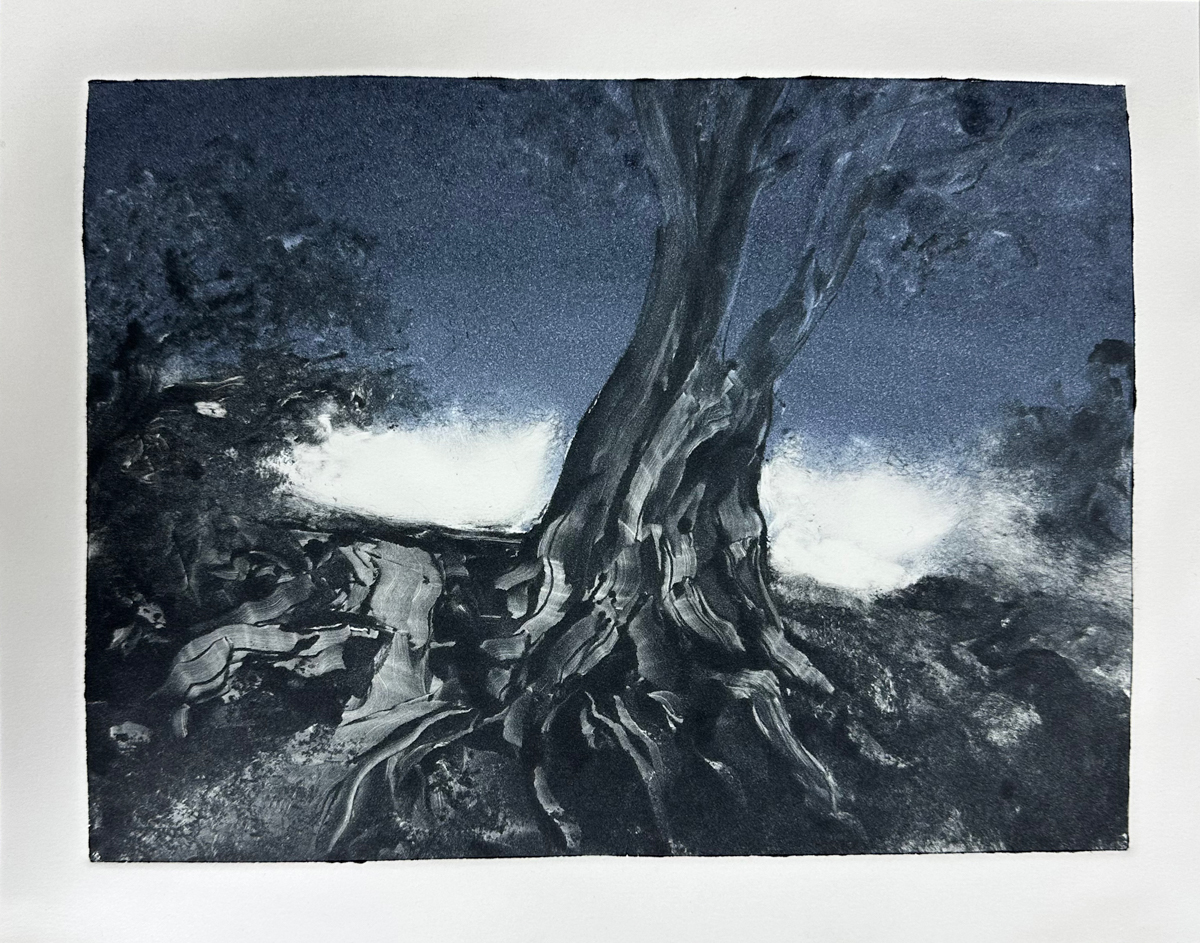
The layering of history was ever-present in my experience of Tuscany. Etruscan and Roman archaeological sites were found below medieval and contemporary buildings alike. On a tour of Onda’s Contrada Museum in Siena, I was shown the Etruscan site being excavated in their basement. At a bar in Montepulciano, I looked down through the glass floor to see the Etruscan and Roman ruins below. In Assisi, the Roman temple built to honor Minerva currently houses the catholic church, Santa Maria sopra Minerva, and my residence was built with stones from ancient Roman buildings. Nature encrusts all of this human history with grapevines and olive groves growing between cobblestone walkways. Birds nest in trees and eaves alike.

I meditated on all these experiences while creating work this past spring at Flatbed in Austin. Within my monotypes, I discovered the space that emerges when combining my memories and the history embedded in these sites with the will of the press. I look forward to sharing the results at my upcoming solo show at Flatbed Press, An Unfound Door, opening Saturday, January 17th, 2026 at 6pm.


Conversation in the Thousand Acres at Sage Arts, Sheridan, WY

Conversation in the Thousand Acres at Sage Arts, Sheridan, WY

Conversation in the Thousand Acres

“All of us loved this countrythe wildly varied landscape, from mountains to deep arroyos and on to the Powder River Breaks; the vast space and far horizons; the way of life; the light on the landscapes…”

Neltje, “North of Crazy”

Artist, writer, and entrepreneur Neltje (1934-2021) sought to share this love of the Wyoming landscape with future generations of artists and writers by creating Jentel, a residency program welcoming and supporting creative discovery, exploration, and contemplation.

In September 2021, five months after Neltje’s passing, four visual artists came from all across this country and England to experience the remarkable program that Neltje generously endowed. Bringing different perspectives to converge on one point, they spent a month together on the banks of Piney Creek, backed by a thousand acres of hills and surrounded by 360 degrees of ever-changing sky—enjoying limitless physical and creative space.

“At the end of his book, Le plus beau desert du monde, Philippe Diole, concludes that ‘to go down into the water or to wander in the desert, is to change space,’ and by changing space, by leaving the space of one’s usual sensibilities, one enters into communication with a space that is psychically innovating. ‘Neither in the desert nor on the bottom of the sea does one’s spirit remain sealed and indivisible.’ This change of concrete space can no longer be a mere mental operation that could be compared with conscious geometrical relativity. For we do not change place, we change our nature.” (The Poetics of Space, by Gaston Bachelard, translation 1964, The Orion Press, Inc., p. 204).

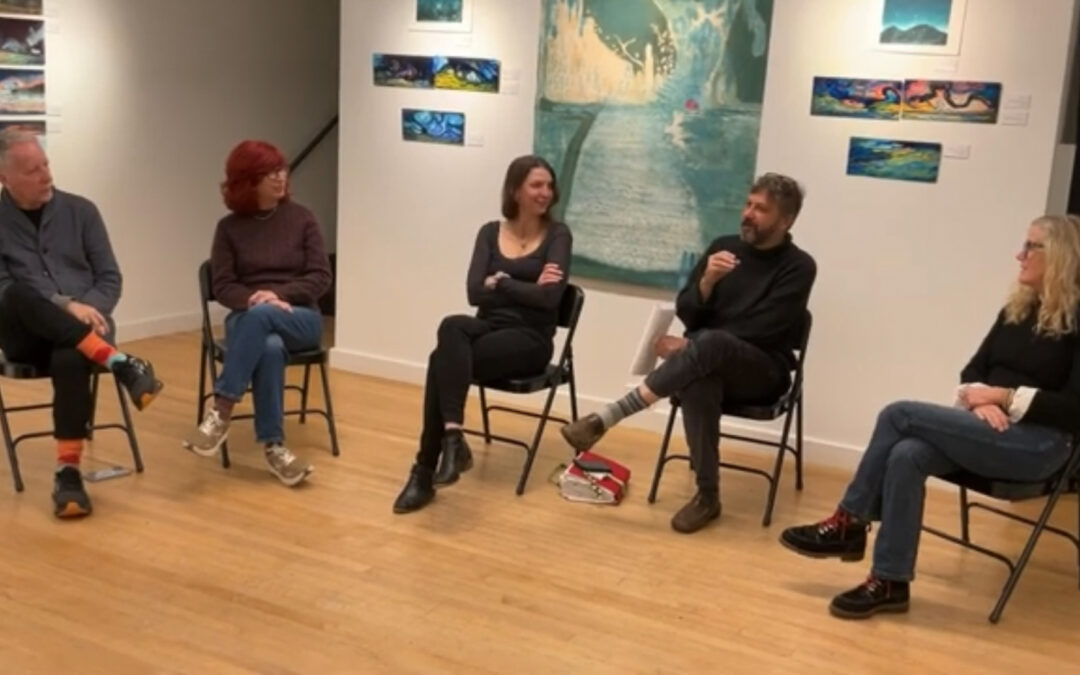
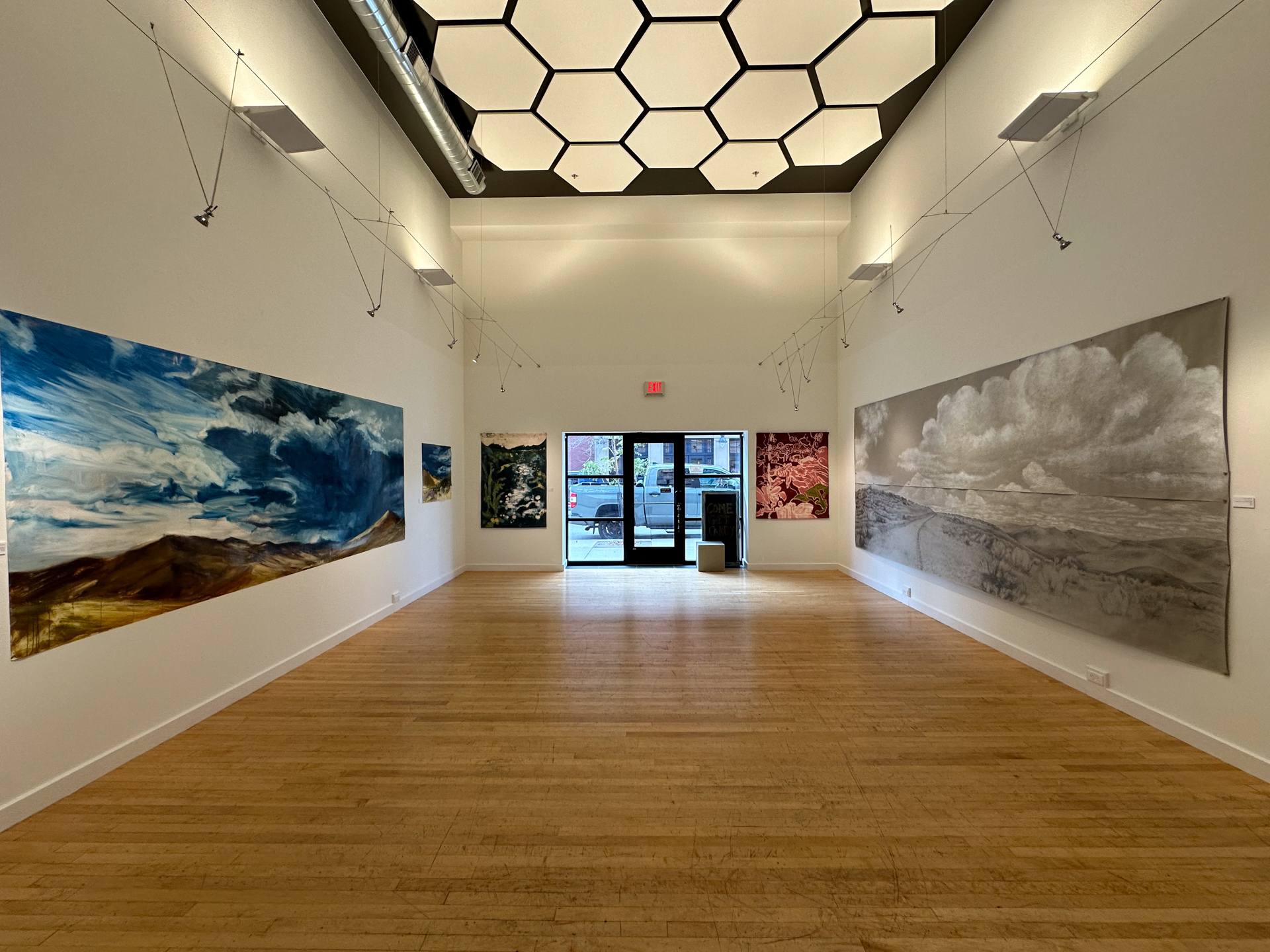
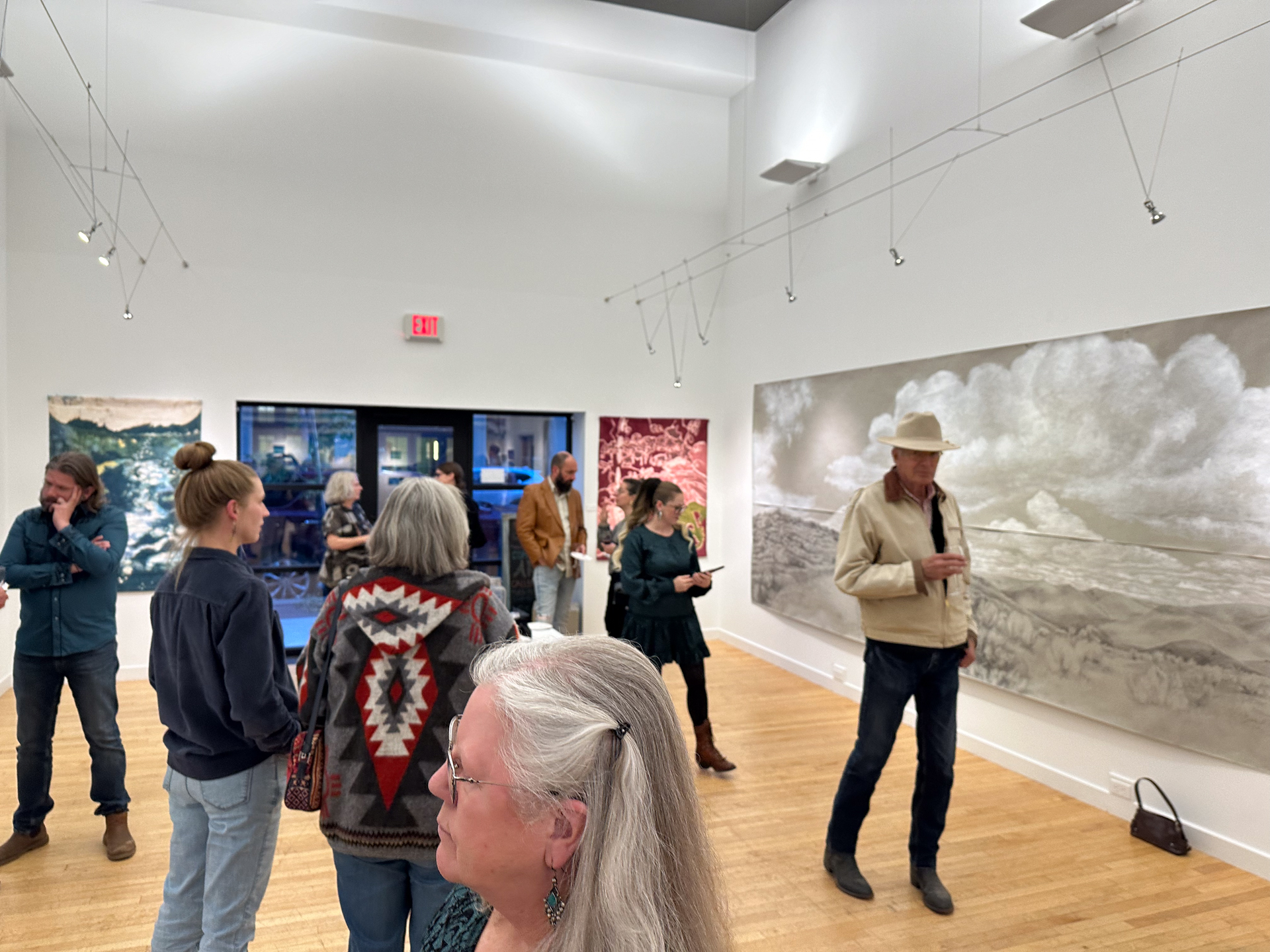
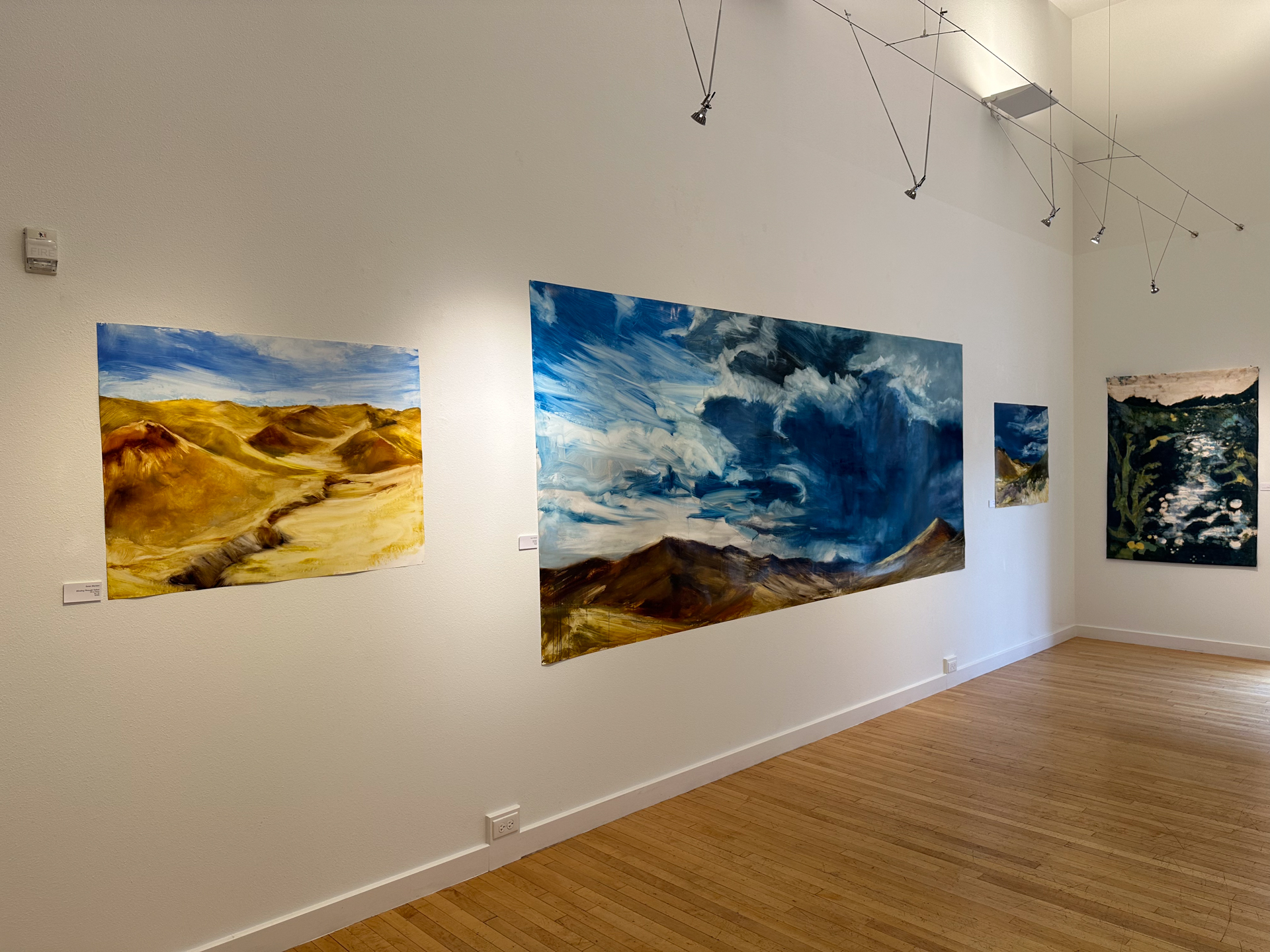
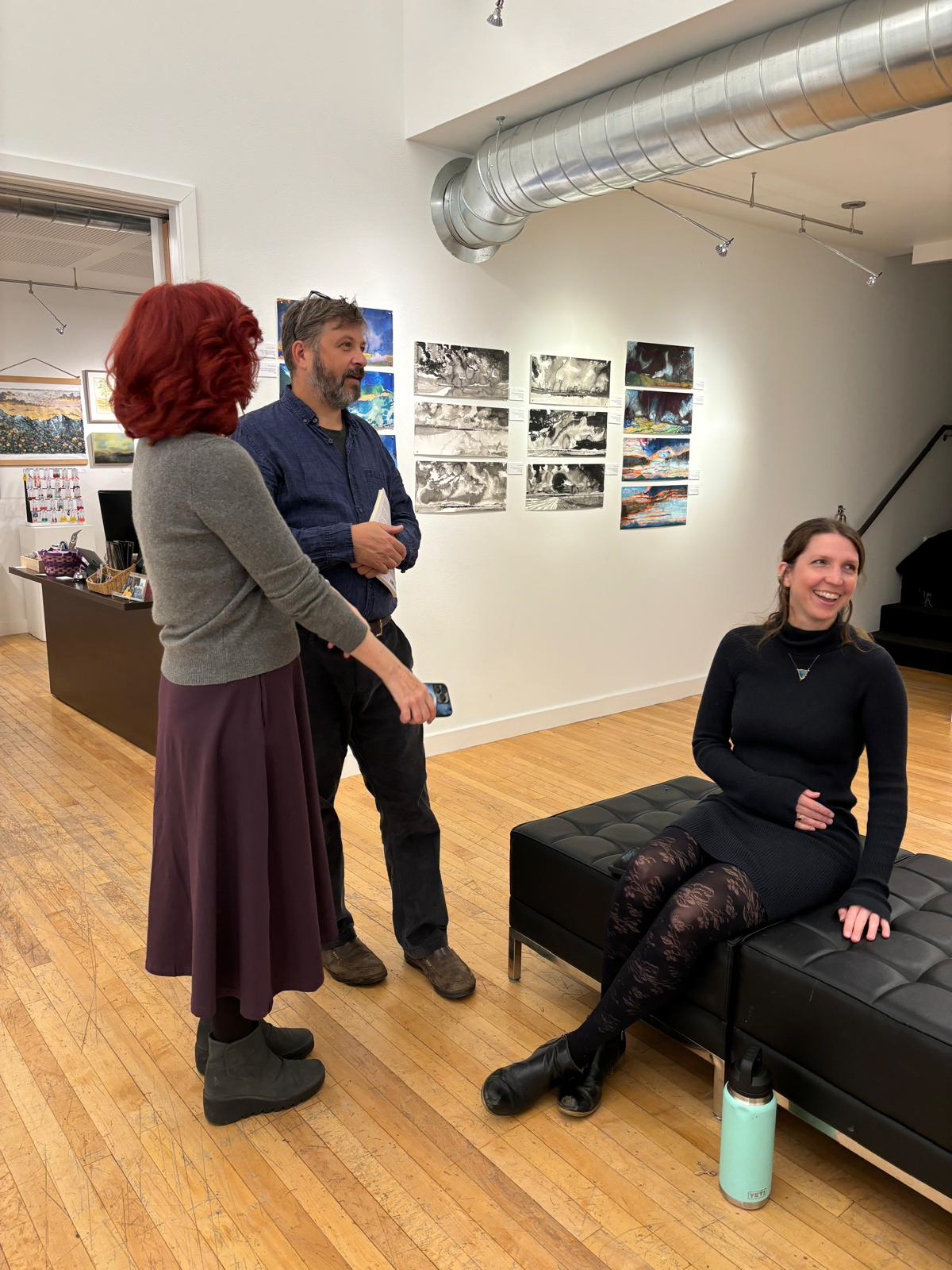
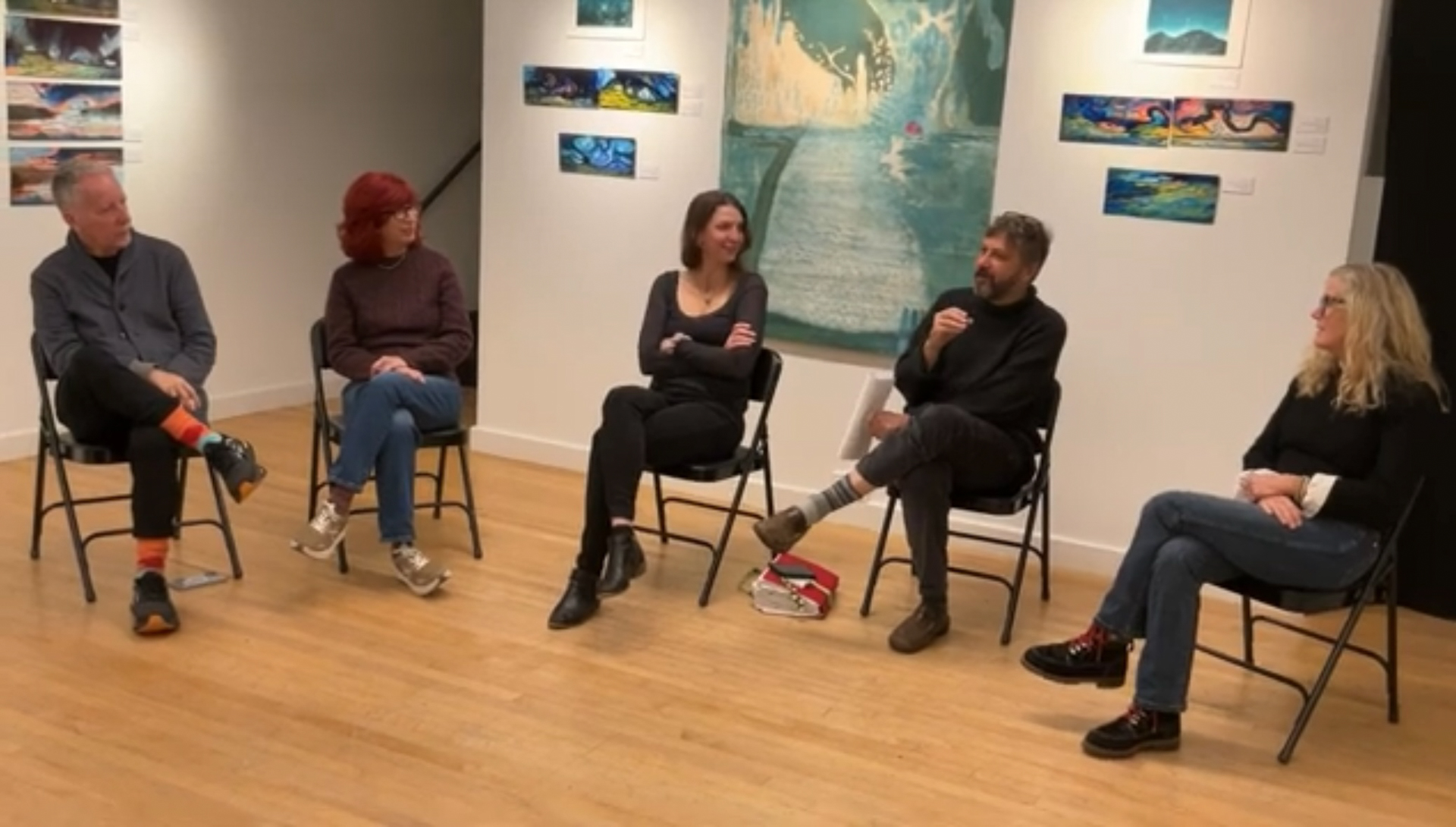
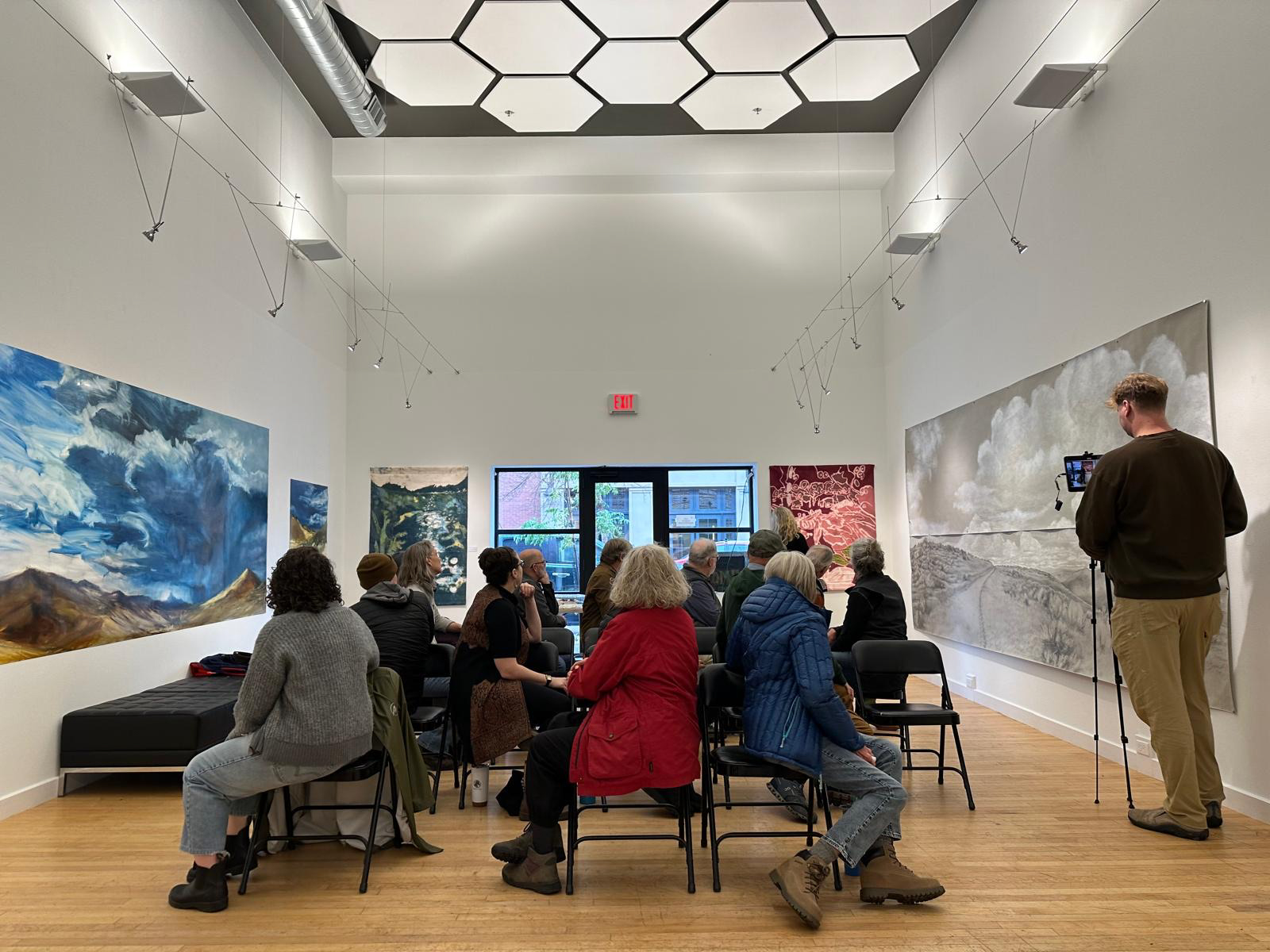
Entering this environment together, perceptions shifted and possibilities multiplied as the four artists connected to the Lower Piney Creek Valley. Each responded in their own way to the dramatic landscape, expanding their individual practices while weaving together a supportive and stimulating community. In this exhibition, each artist will show work resulting from their time in this exceptional place—and the works will be in conversation with one another in the gallery, much as the artists were at Jentel.

Jentel Artists:

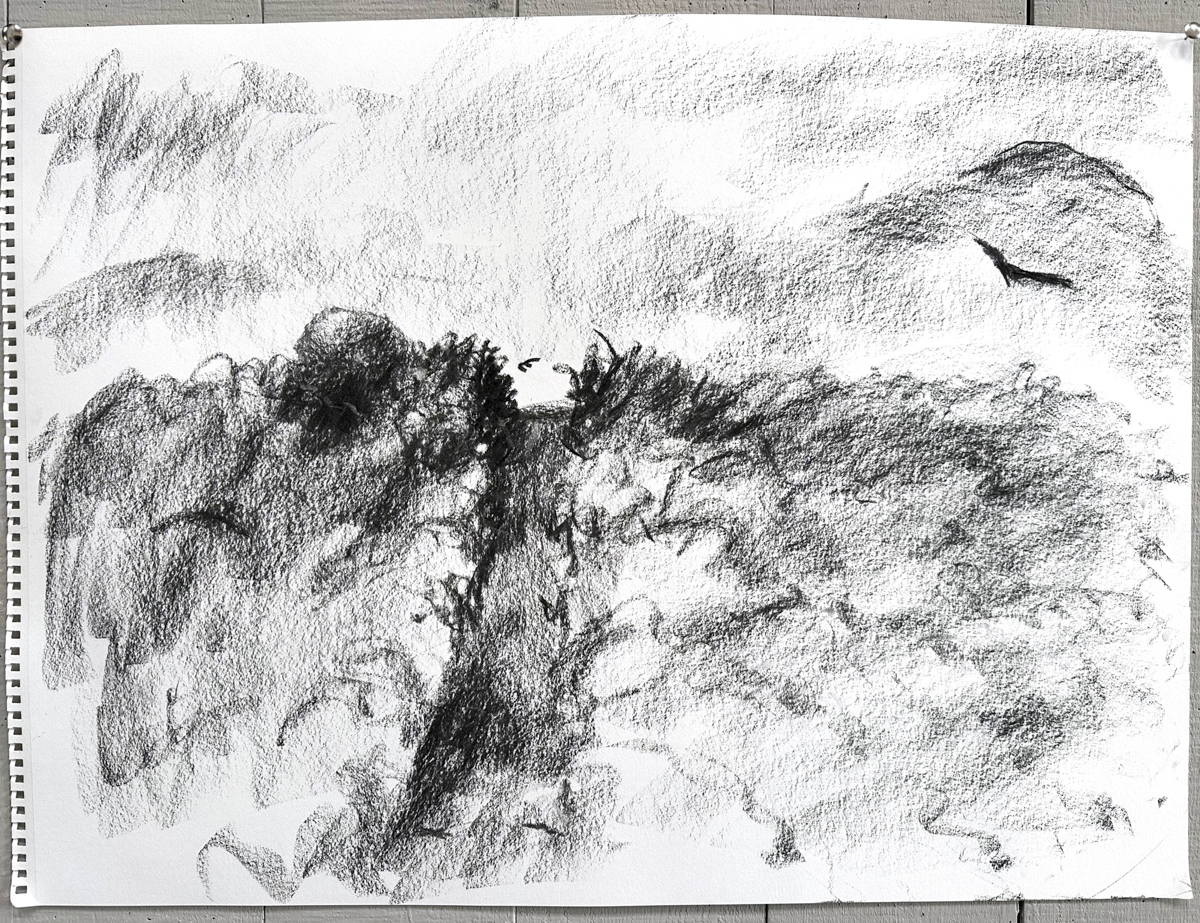
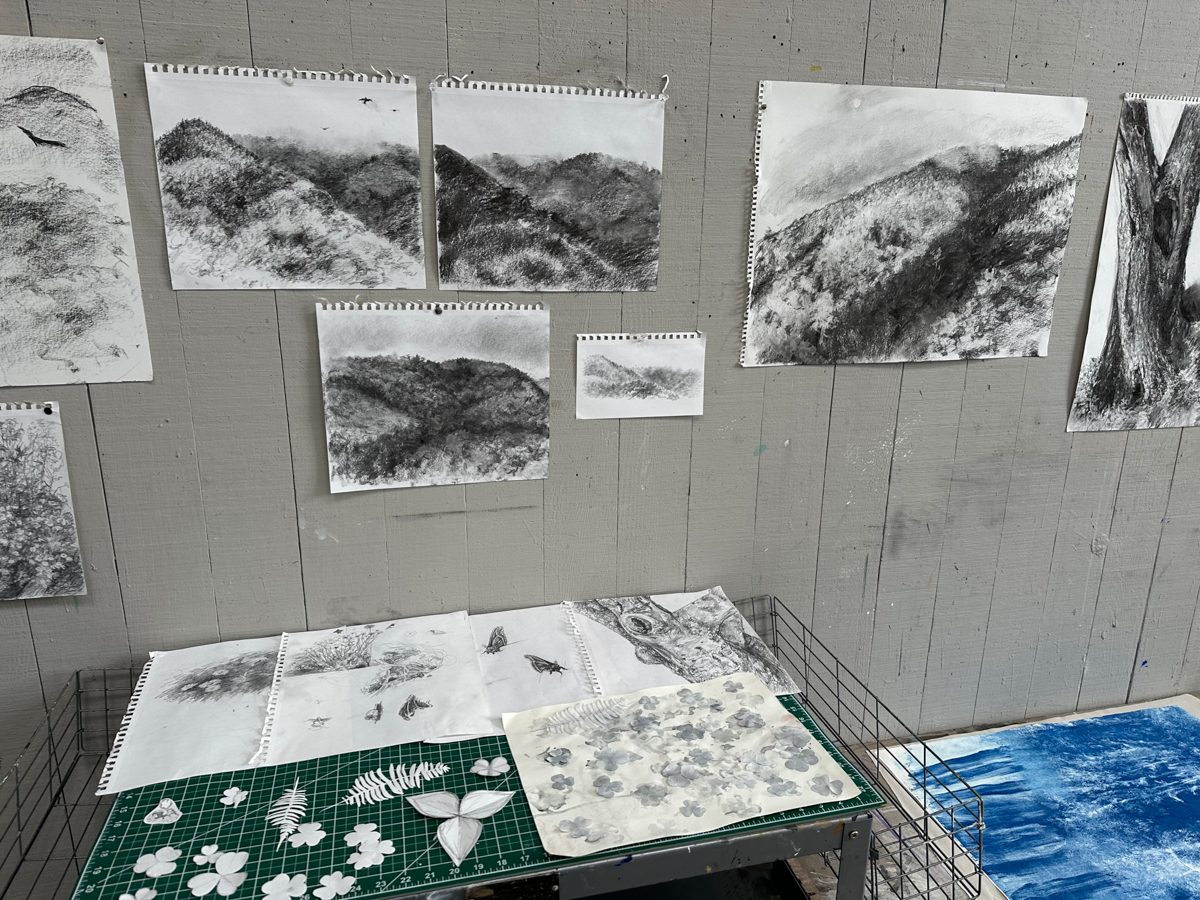
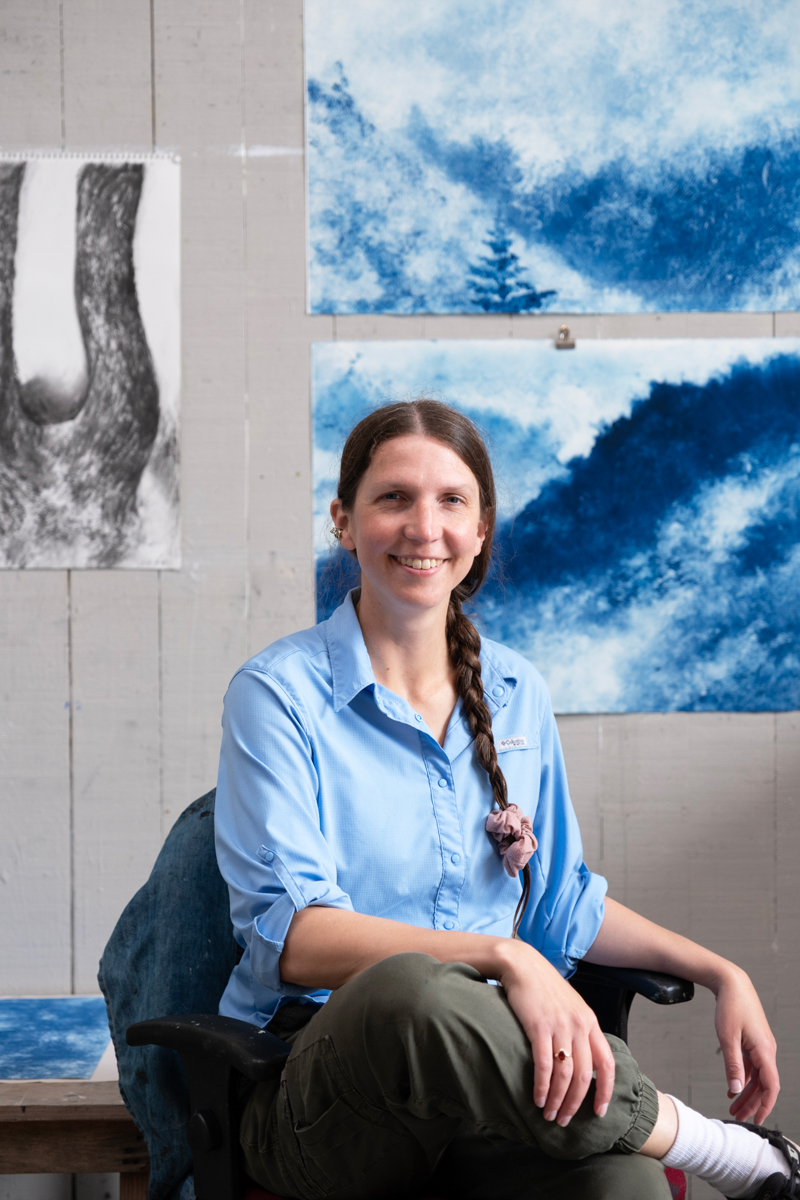
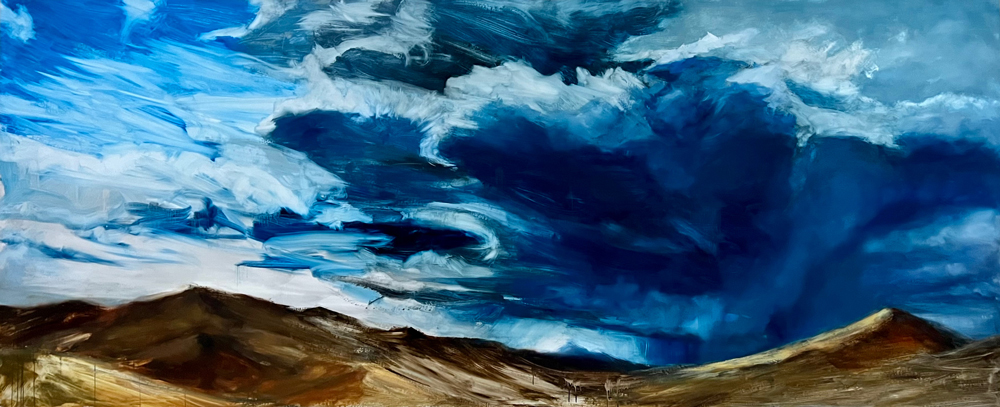
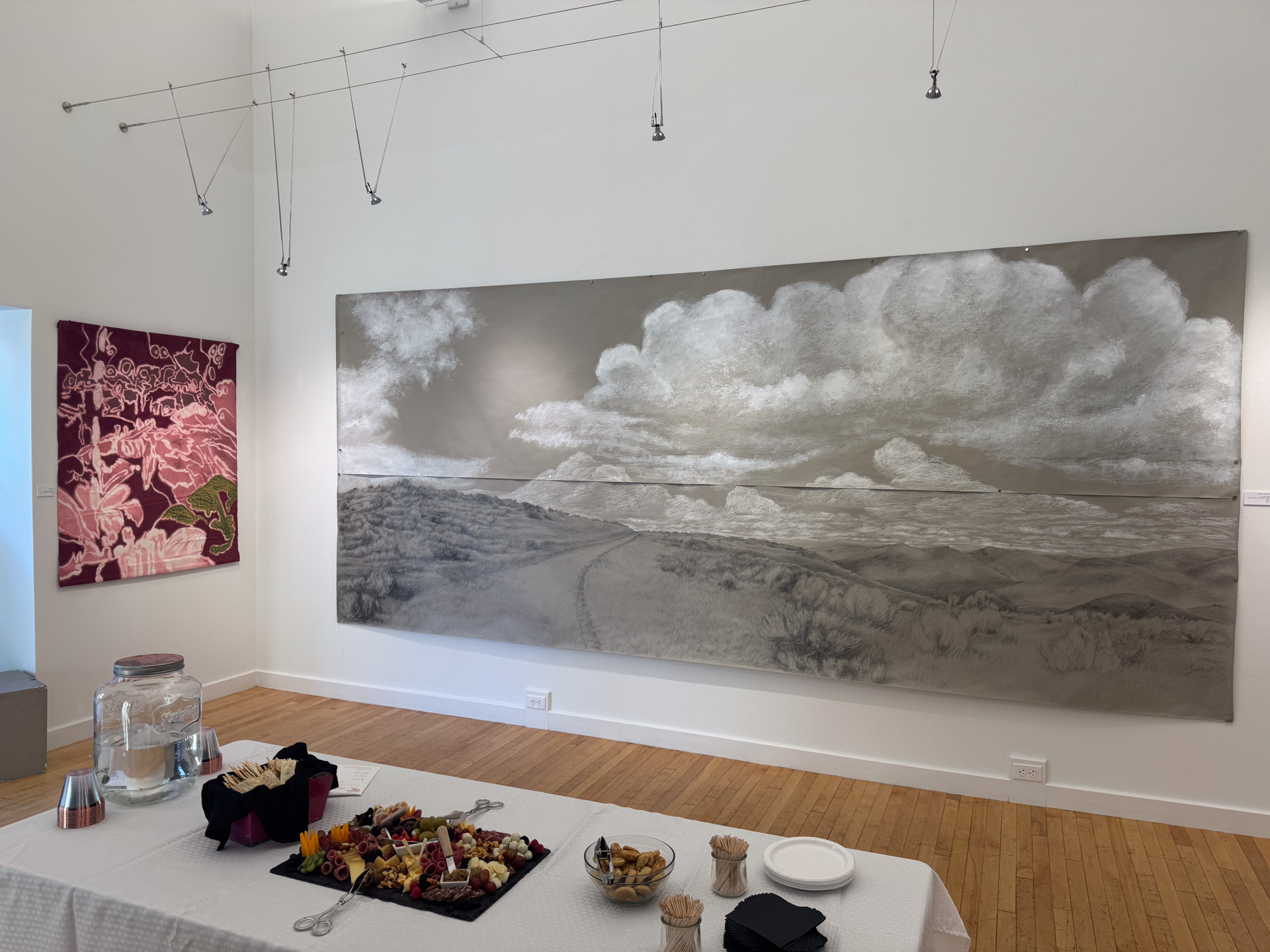
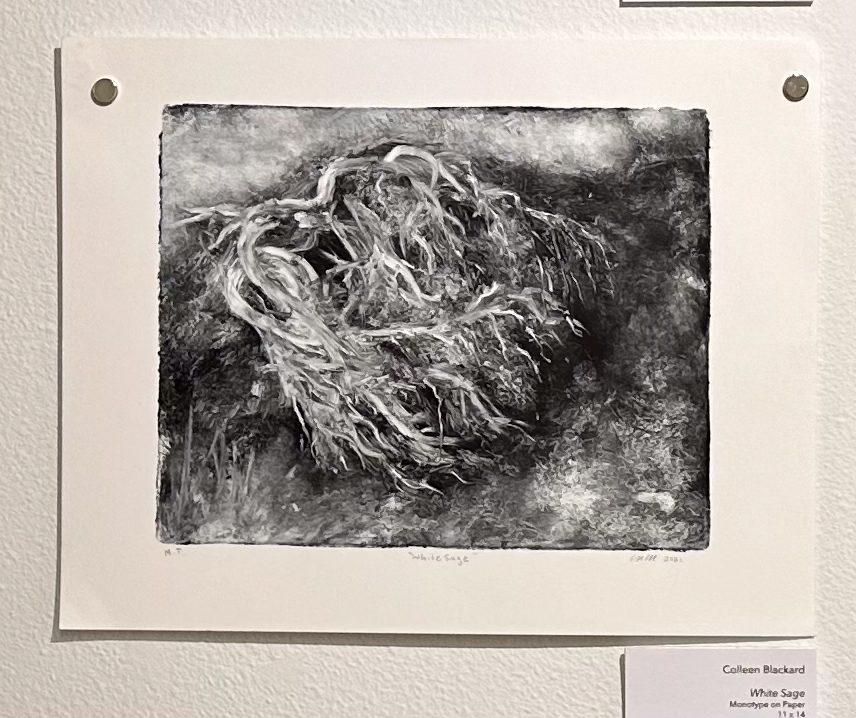
Colleen Blackard recently received her MFA in Studio Art at The University of Texas in Austin in 2024, and is the recipient of international residencies and fellowships such as the Pollock-Krasner Foundation Grant. Her work recalls dreams and memories of the natural world. Utilizing methods of printmaking, drawing, painting, and scenic art, she connects external and internal landscapes. Captivated by the wild weather and hills of sage surrounding Jentel, she spent as much time as possible hiking and painting them from life, creating a visual record of her experiences.

Karen Marston, a painter living and working in Brooklyn, NY, has been exploring the effects of climate change on natural disasters in her paintings for over ten years. Recent bodies of work have included forest fires, hurricanes, tornadoes, melting icebergs and bleaching coral. At Jentel, she was deeply affected by the sublime power and spectacle of the landscape. She spent the month drawing and painting the terrain, studying and responding to the hill and cloud formations. Her paintings embody Wyoming’s primordial sense of expansive, timeless space while suggesting underlying questions about humanity’s relationship to nature.

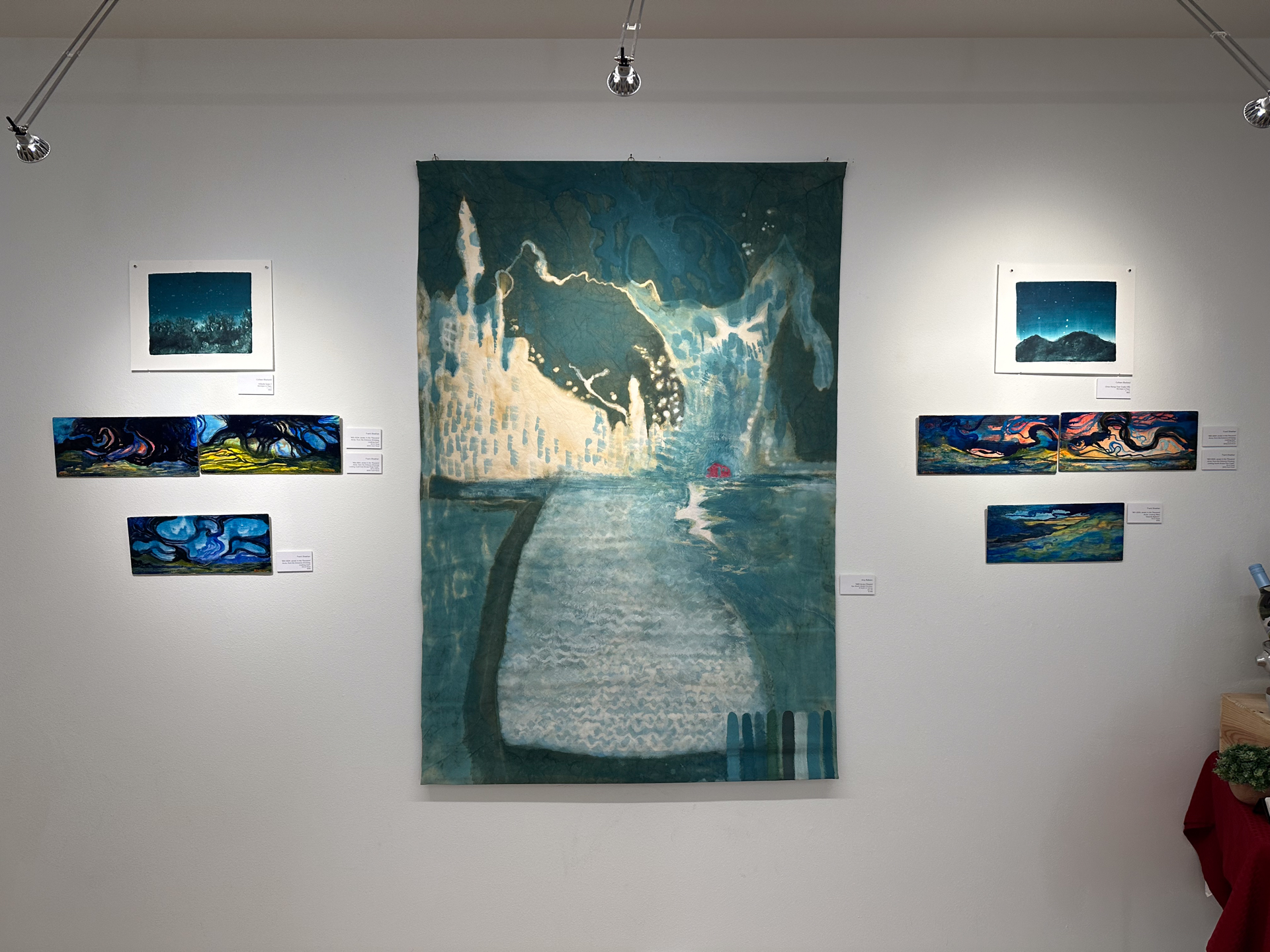
Amy Robson is a British/American artist based in London who creates drawings, paintings and animations that consider the experience of being in a place – physical and psychological. Responding to her time at Jentel, Robson used Rit dye, household bleach and raw pigment to create paintings of Piney Creek, the Big Horn foothills and Bomber Mountain. The work pushes representational boundaries with nontraditional media and uncanny abstractions to reflect the uncertain nature of memory and the timeless quality of the majestic Wyoming landscape.

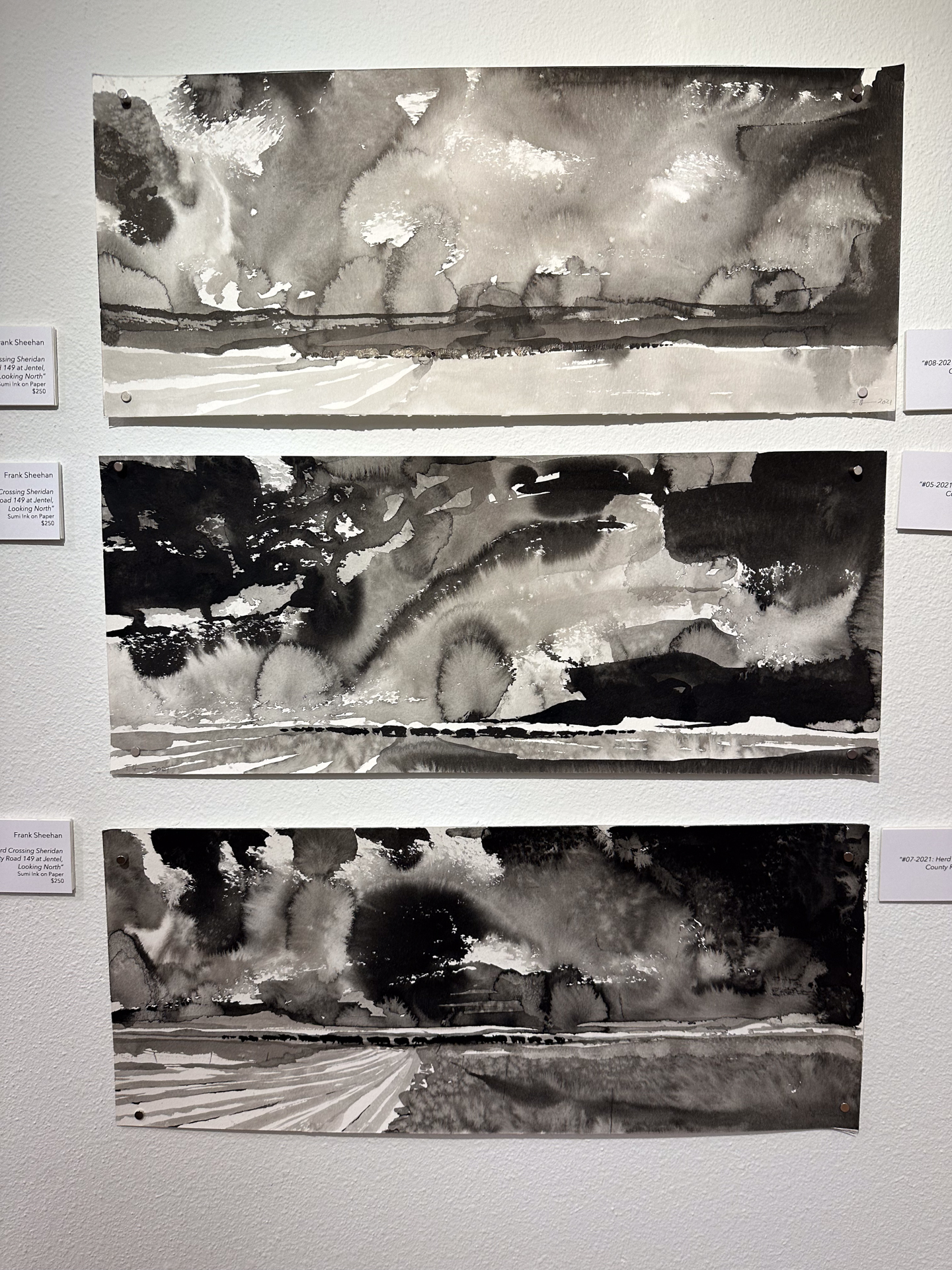
Frank Sheehan is an Irish American visual artist whose photographs have been published in Time, Newsweek, US News & World Report & textbooks worldwide. While taking time off from teaching perspective at the New York School of Interior Design, his Jentel residency was a surprising catalyst to revisit the landscape genre with a new panoramic watercolor series reflecting the Wyoming countryside. “At Jentel I took to watercolor to reflect the sublime beauty of the surroundings and by the rapid, intense shifts in temperature, light, shade, and shadow.”

Thesis Excerpt: Human as Nature,  Landscape as Memory

Thesis Excerpt: Human as Nature, Landscape as Memory

Included below are several sections from my Thesis writing for my MFA at UT Austin:

Artist Inspiration

When I was little, my mother was an art conservator at the Kimbell Art Museum in Fort Worth, TX, where her conservation lab worked on Frederic Church’s Icebergs in the collection of the Dallas Museum of Art. As a small child, I stared into the painting’s ice cave on the lower right, feeling swallowed by the submerged ice. Something deep resonated within as I was transported into the pictorial space in a way I’d never been before. This experience is a touchstone in my memory, and years later I am still driven to create portals to luminous, enclosed worlds.

My interest in light and space in landscape continued as I was drawn to artists as diverse as John Constable, Edward Steichen, and James Turrell. For me, light is a symbol for energy and life within the picture plane. It creates both movement and atmosphere. With it I can create a narrative, and for inspiration I’ve looked to artists such as Albert Pinkham Ryder and Odilon Redon who capture drama in their nightscapes.

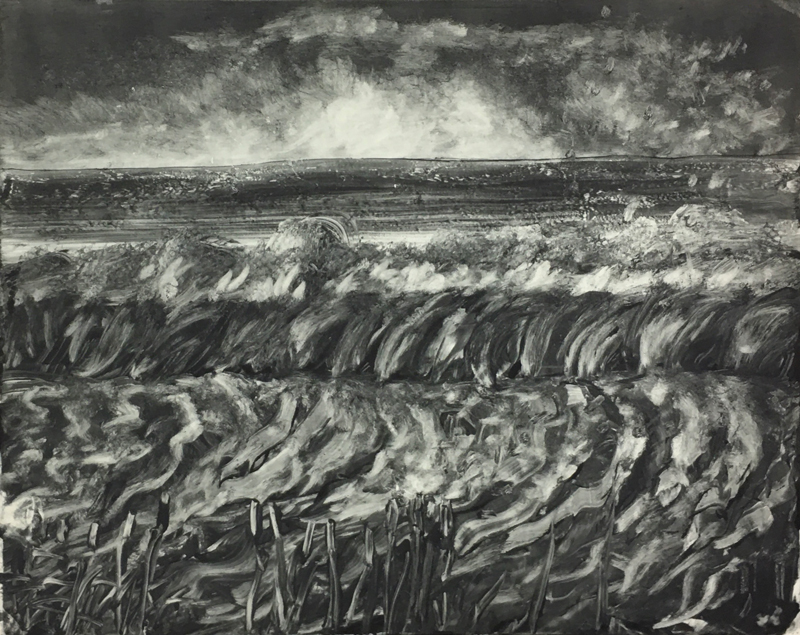
As I was drawing reeds blowing in 75 mph winds at PLAYA artist residency in eastern Oregon (Fig. 2.1), I looked to Charles Burchfield. How can you capture both sequence and sound in one still image? He captured movements of natural phenomena such as storms and wind and found ways to portray the sounds of insects and birds with repeated marks in painting. Burchfield also elevated the medium of watercolor by working large-scale, making it his primary medium rather than a sketch for oil paintings.

The work of Hercules Segers also caught my interest, a printmaker who created endlessly detailed etchings of dreamlike landscapes, invented sugar-lift, and inspired artists such as Rembrandt in his creative use of printmaking. He was highly experimental: hand-coloring plates, hand-cropping images, running coarse materials through the press to create texture, and adding watercolor layers with intaglio, breaking rules in printmaking as early as 1618 CE.

Emboldened by such artists, I use unconventional mark-making tools and methods in my work. I worked primarily in large-scale ballpoint, ink, and marker drawings for years, challenging conventional drawing sizes and creating light and shadow with masses of circular marks. Now as a printmaker, I’m finding ways to break away from the limitations of the plate, such as using the press bed as the plate and creating large-scale monotypes on fabric. I’m interested in how using different mediums in uncommon ways creates textures and effects that surprise me.

Another component I consider is the space the work inhabits. I am inspired by light and space artists, earthworks, and installation artists such as Turrell, Christo and Jean Claude, and Andy Goldsworthy. Experiencing their work has an immediate effect, where you respond to them even before you mentally process what you are seeing. I use both large and small-scale work intentionally to draw the viewer into the work in distinct ways. The small monotypes act as a portal to another space while the large works hold a three-dimensional presence you must walk around to experience. They cannot be replicated on a screen. This use of scale activates the presence of the space between the viewer and the work.

Ecological Inspiration

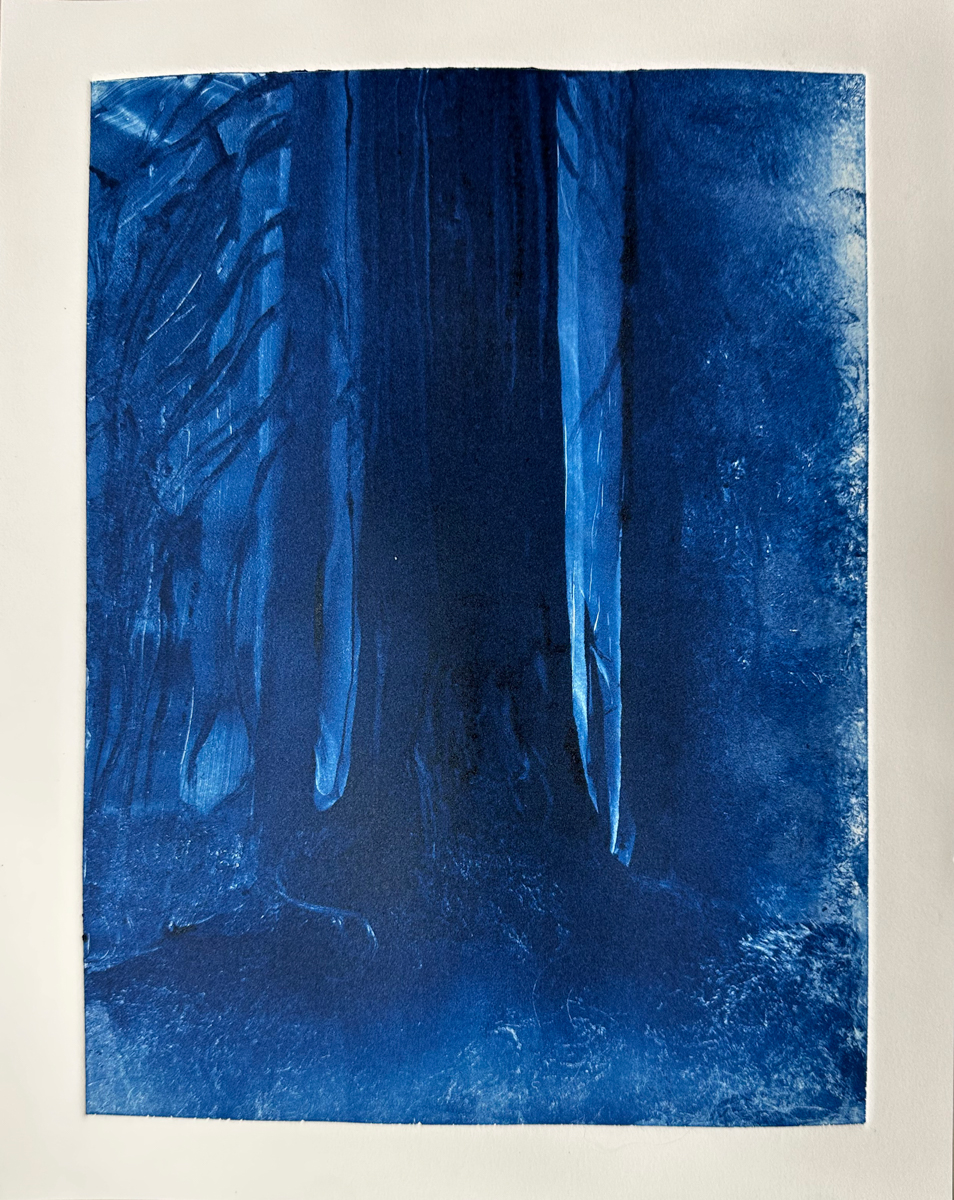
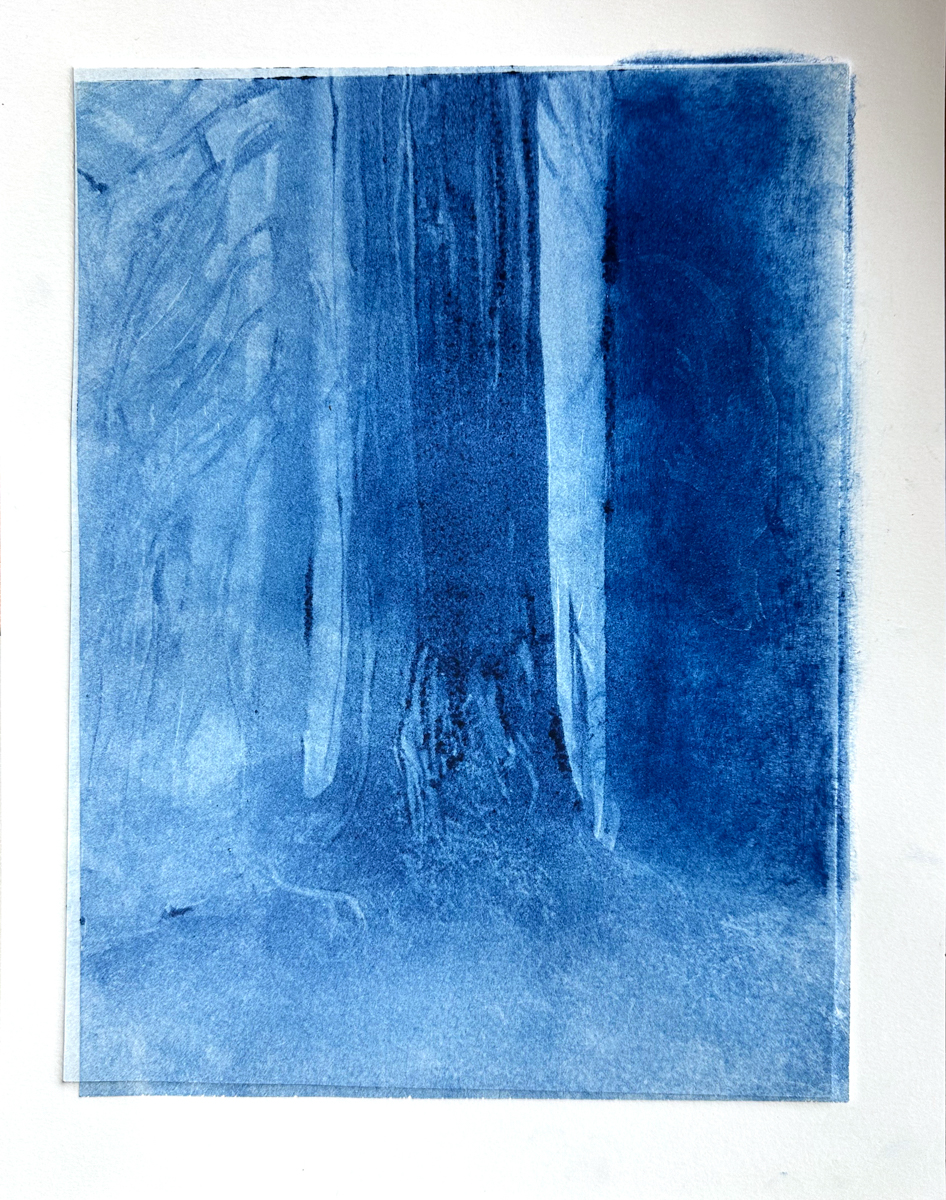
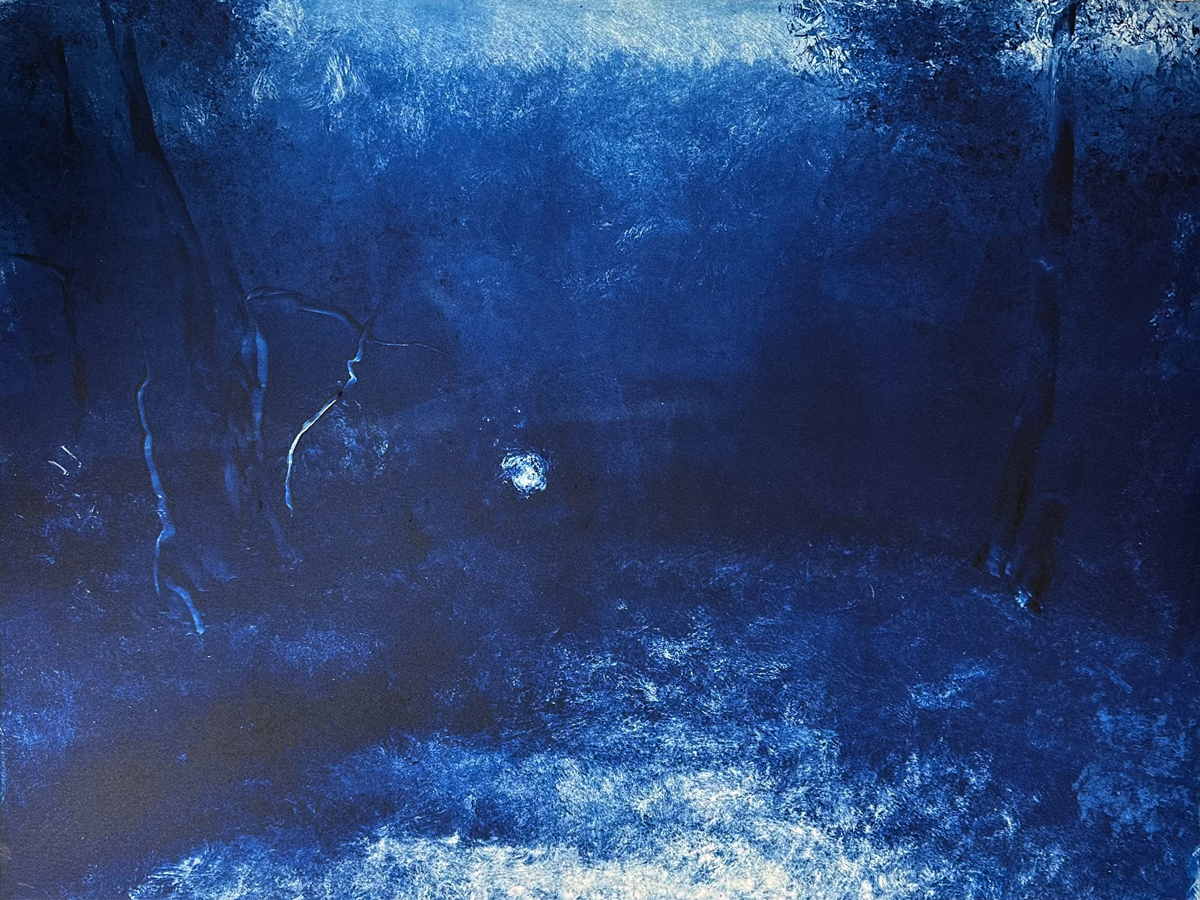
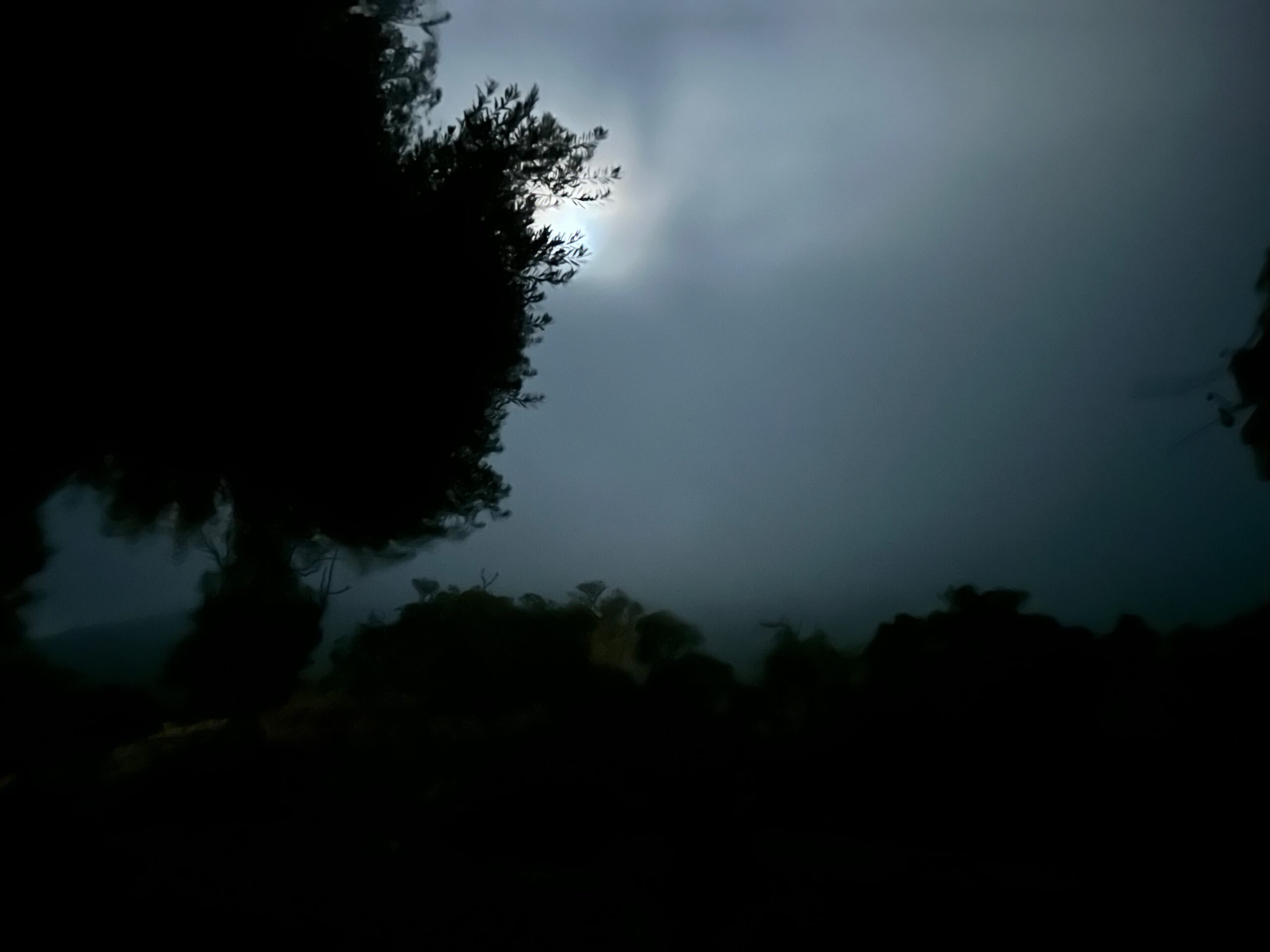
When I was an undergraduate class at Hampshire College, I took a class on writing about spirituality in a cabin in the woods of western Massachusetts. One day, a classmate made the observation, “When you’re in these woods, does it ever feel like the woods are looking back at you?” I’m from the plains of Texas, and this observation on the ever-present northeastern woods surrounding us struck a chord. It was the first time I’d been in such an absorbing black atmosphere. The woods receded into unknowable shadows, potent with hidden creatures as large as bears (Fig. 3.1).

In In Praise of Shadows, Junichiro Tanizaki argues that traditional Japanese architecture values the presence of shadows and the potent mystery they hold. Unlike a Western room in which light illuminates every corner, the eaves recede indistinguishably and silhouettes emerge from the darkness. This “magic of shadows”[1] allows for the unknown to emerge, as if from out of a void. He writes:

Have you never felt a sort of fear in the face of the ageless, a fear that in that room you might lose all consciousness of the passage of time, that untold years might pass and upon emerging you should find you had grown old and gray?[2]

Within the thick shadows of this New England forest, I felt similarly transported to a realm beyond the human timescale. Listening to the katydids at night, I was present to their shortened experience of time, linked to seasons and blooms, perched on pine trees that have a much longer life cycle. Where do humans stand in this, and how would I know if I were still in my familiar realm or transported elsewhere in this darkness?

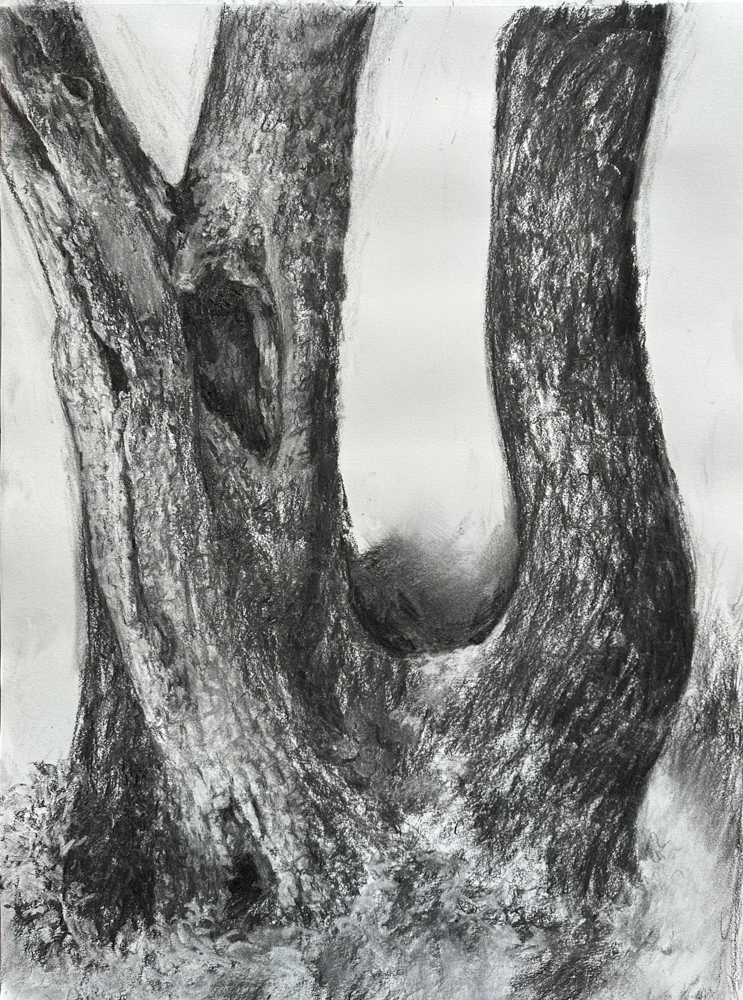
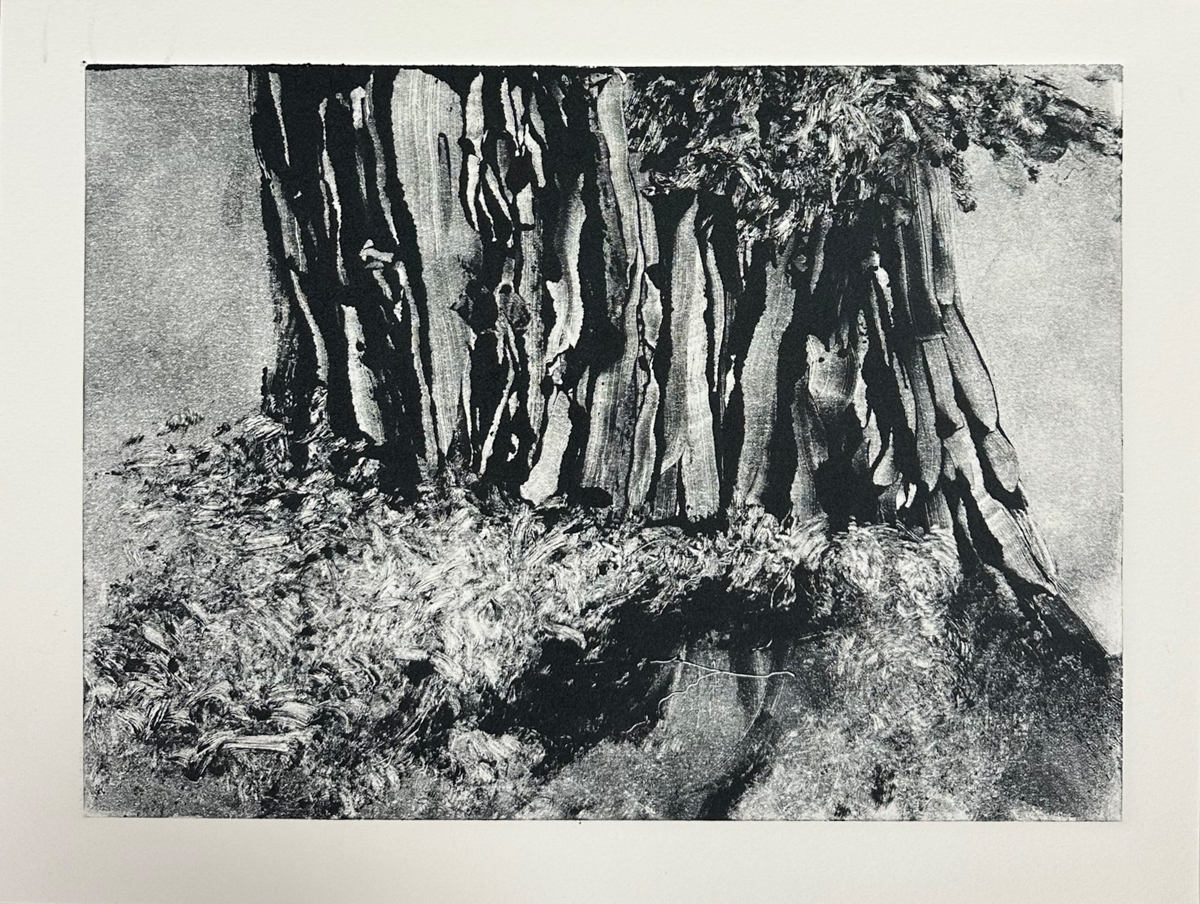
It seemed as if the trees had agency and sentience. This idea has stayed with me and directed my focus to the experience of trees as active participants living in the landscape. Reading The Hidden Life of Trees by Peter Wollheben brought evidence to this belief, in which he describes the ability of acacia trees on the African Savannah to emit a warning scent to other trees when they are being eaten by giraffes and other creatures. Once aware of the threat, the trees can change their taste to bitter, discouraging animals from eating them.[3] That they can communicate with other trees via scent solidified my perception of trees as sentient beings. They can also choose whether to crowd out other trees or leave room for them to grow, and to save a neighboring stump from decaying. But what makes them choose which to aid or not?

Every tree is a member of this community, but there are different levels of membership. For example, most stumps rot away into humus and disappear within a couple of hundred years (which is not very long for a tree). Only a few individuals are kept alive over the centuries, like the mossy “stones” I’ve just described. What’s the difference? Do tree societies have second-class citizens just like human societies? It seems they do, though the idea of “class” doesn’t quite fit. It is rather the degree of connection—or maybe even affection—that decides how helpful a tree’s colleagues will be.[4]

In focusing on the tree’s experience, the human-centric view of the world dissolves. On the scale of a tree’s life, would a day register as a moment? Would a human appear as a blur? And how does a tree experience sound—would it register a bird call? Imagining the tree’s perspective is a way for me to contemplate the will of the landscape. Through this inquiry, my installation work considers both human and flora sentience.

What is the landscape’s intention? What brings it joy? I want to make work for the landscape as the viewer (Fig. 3.2).

~~~

[1] Junichiro Tanizaki, In Praise of Shadows, trans. Thomas J. Harper and Edward G. Seidensticker (Sedgwick: Leete’s Island Books, Inc, 1977), 20.

[2] Tanizaki, In Praise of Shadows, 22.

[3]Peter Wollheben, The Hidden Life of Trees, trans. Jane Billinghurst (Munich: Ludwig Verlag, 2015), 7.

[4] Wollheben, The Hidden Life of Trees, 4-5.